Tokyo
Tokyo Bangkok
 Seoul
Seoul Singapore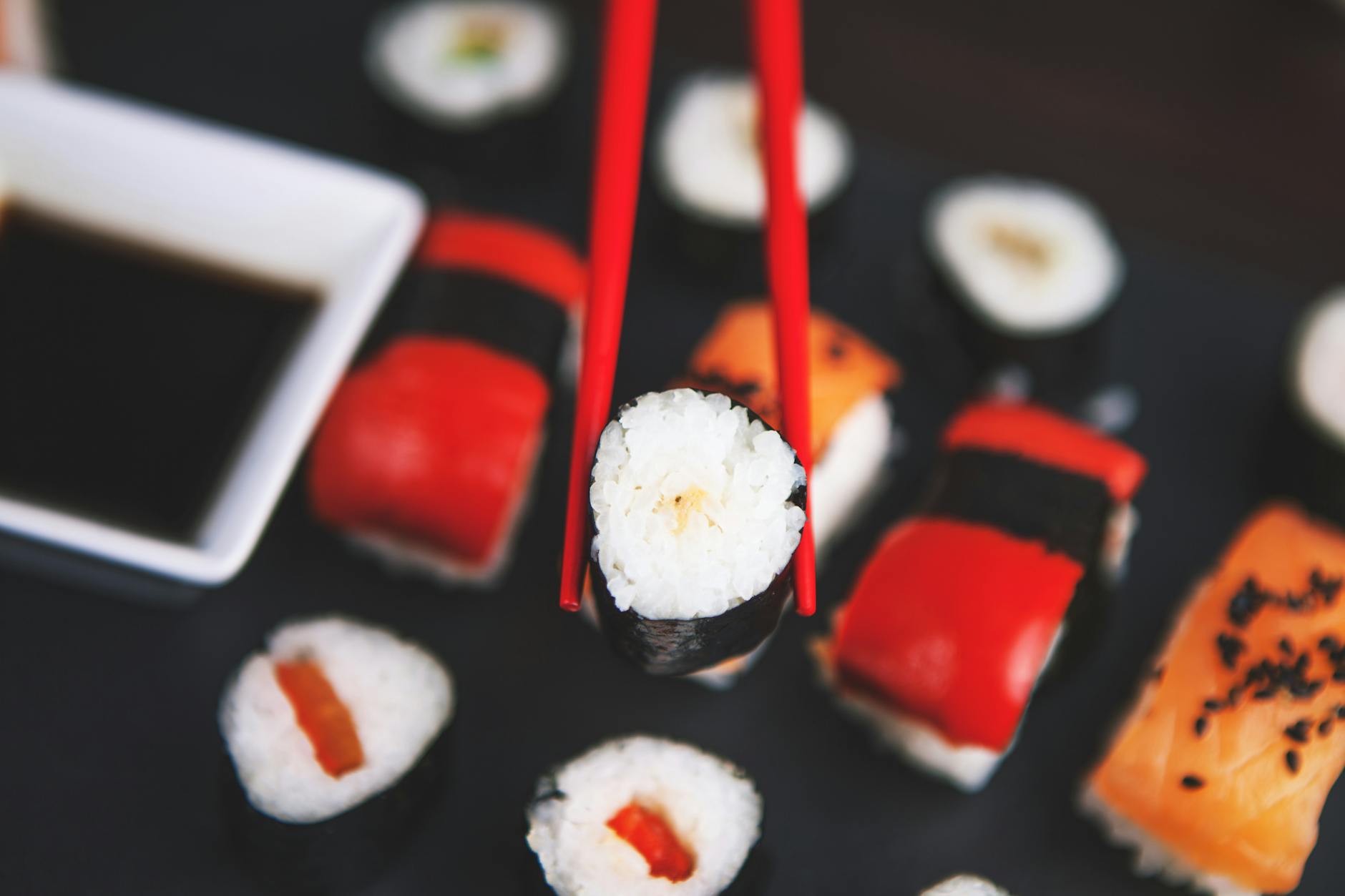
Best Asian Food in Melbourne: Where to Eat Authentic Korean, Japanese, Thai, Vietnamese
Melbourne’s Asian food scene isn’t just one Chinatown—it’s a patchwork of neighborhoods, each with its own flavor. Korean barbecue took root in Box Hill when families settled there in the 90s and opened restaurants for themselves first. That’s why the food tastes like it does in Seoul, not some watered-down version.
Why Melbourne’s Asian Food Hubs Beat Sydney or Brisbane
Geography split Melbourne’s Asian food into pockets instead of one district. Box Hill became Korean because rents were cheap and the freeway was close. Vietnamese businesses flocked to Richmond’s Victoria Street in the 80s for the same reason. Fitzroy’s Japanese spots cluster near the university. The upside? Each area specializes instead of stretching thin.
A solid Korean joint in Box Hill will have mostly Korean staff and customers. That’s how you know the gochujang fermented for a full year, not just a few months. The beef matters too—good places use specific cuts with the right marbling. Skip anywhere with frozen meat and supermarket paste.
Box Hill’s Korean Spots: Where the Chefs Eat What They Serve
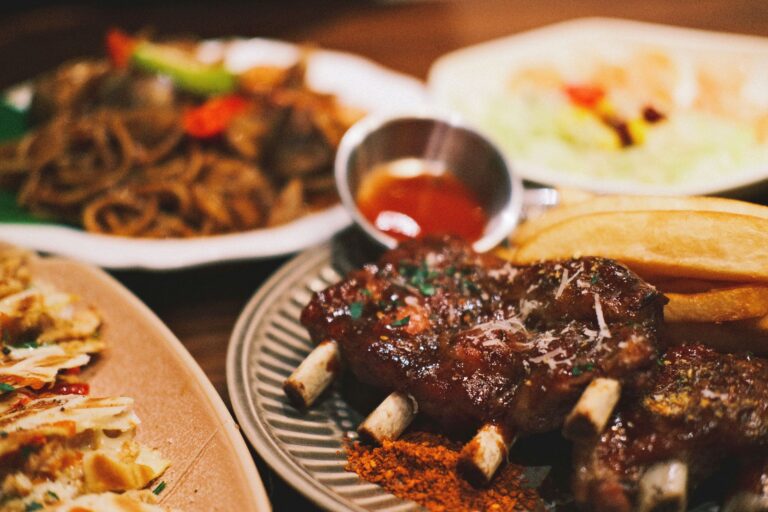
Gogi Korean BBQ on Mountain Highway is the real deal. The owners run a sister restaurant in Seoul, and it shows. They import their beef, make sauces fresh daily, and replace grills twice as often as competitors. Get the galbi—it should be charred outside, pink inside. Most places can’t nail that balance.
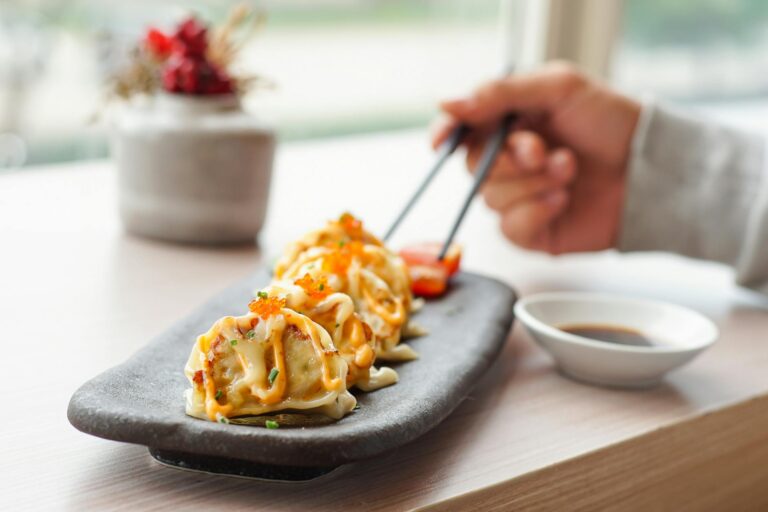
Myungrang Hot Dog looks casual, but Korean families line up here. The secret? Their wrapper uses a 70:30 rice-to-wheat flour mix for maximum crunch. Real mozzarella too—none of that fake cheese goop.
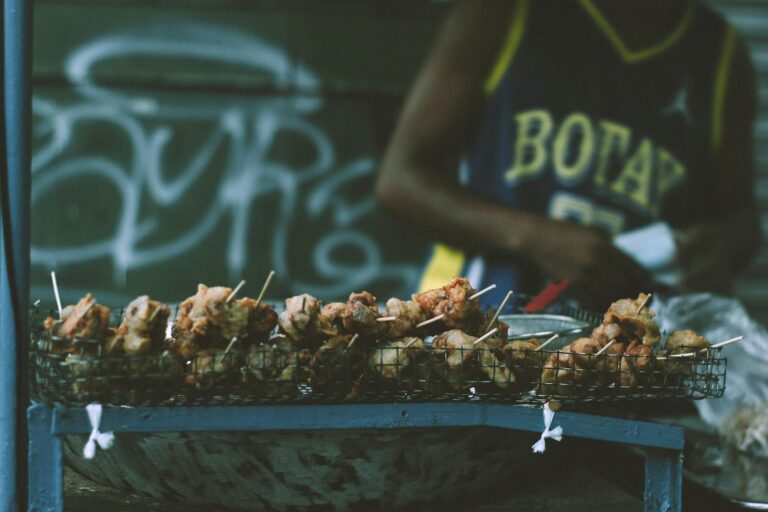
Nene Chicken’s double-fry method takes extra time but keeps the meat juicy. First at 160°C, then at 180°C. Cheaper spots cut corners with a single fry. You’ll taste the difference.
Richmond’s Vietnamese Strip: You Get What You Pay For
Victoria Street packs 40+ Vietnamese restaurants into two kilometers. The pricier ones ($18-24) use fresh herbs and seafood daily. Budget spots ($10-14) rely on dried herbs and frozen stuff. It’s not about fancy plating—fresh Thai basil literally tastes different.
Thanh Huong’s pho broth simmers for 18 hours with charred aromatics. Their brisket is sliced paper-thin—hold it up to the light to check. Get the bun cha if you want pork with real flame marks, not fake grill lines.
Saigon Noodle House is the opposite: fast, cheap, no frills. Their pho uses a decent pre-made base boosted with fresh herbs. Not life-changing, but honest.
Fitzroy’s Japanese and Hawthorn’s Thai: No Shortcuts
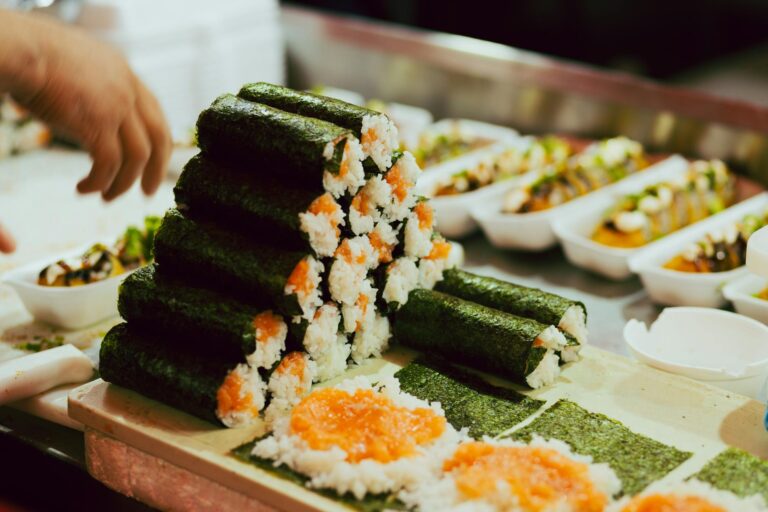
Minamishima in Fitzroy seats ten. The chef trained in Tokyo for eight years and uses two-year-aged vinegar for the rice. Watch how he slices fish—one clean cut, no sawing.
Hawthorn’s Soi 38 splurges on premium fish sauce aged in wooden barrels. Their curry paste is made daily—you can tell by the vibrant color. Brown means it’s old.
The Real Deal Comes With Trade-offs
Authentic Asian food here means traveling to specific neighborhoods and eating in no-frills spots. The best Korean place won’t have mood lighting. Top Vietnamese joints have plastic chairs. Elite Japanese counters seat fewer people than a minivan. Tourist traps prioritize looks; community spots care about taste.
Hit Gogi for tabletop ribs, then graze down Victoria Street. You’ll see why Melbourne’s Asian food wins—it’s built for locals, not postcards.