Tokyo
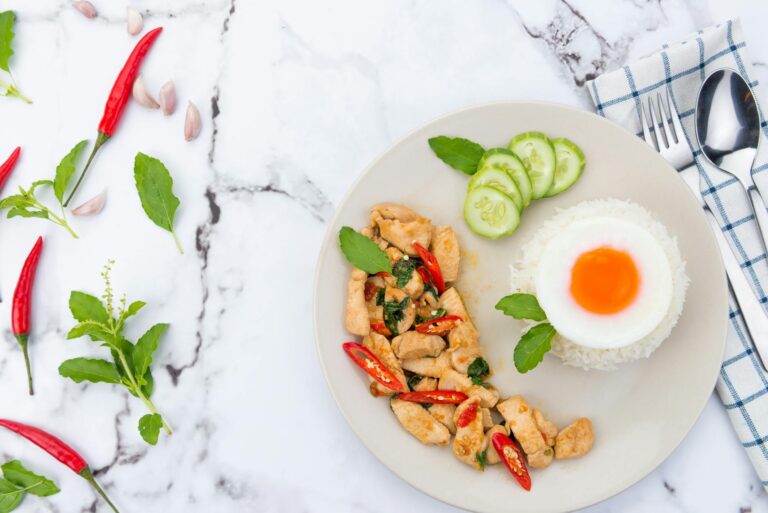
Tokyo Bangkok
 Seoul
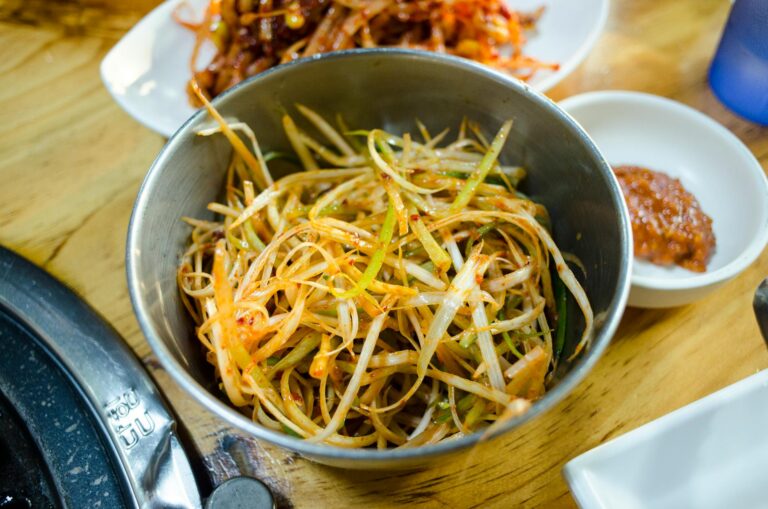
Seoul Singapore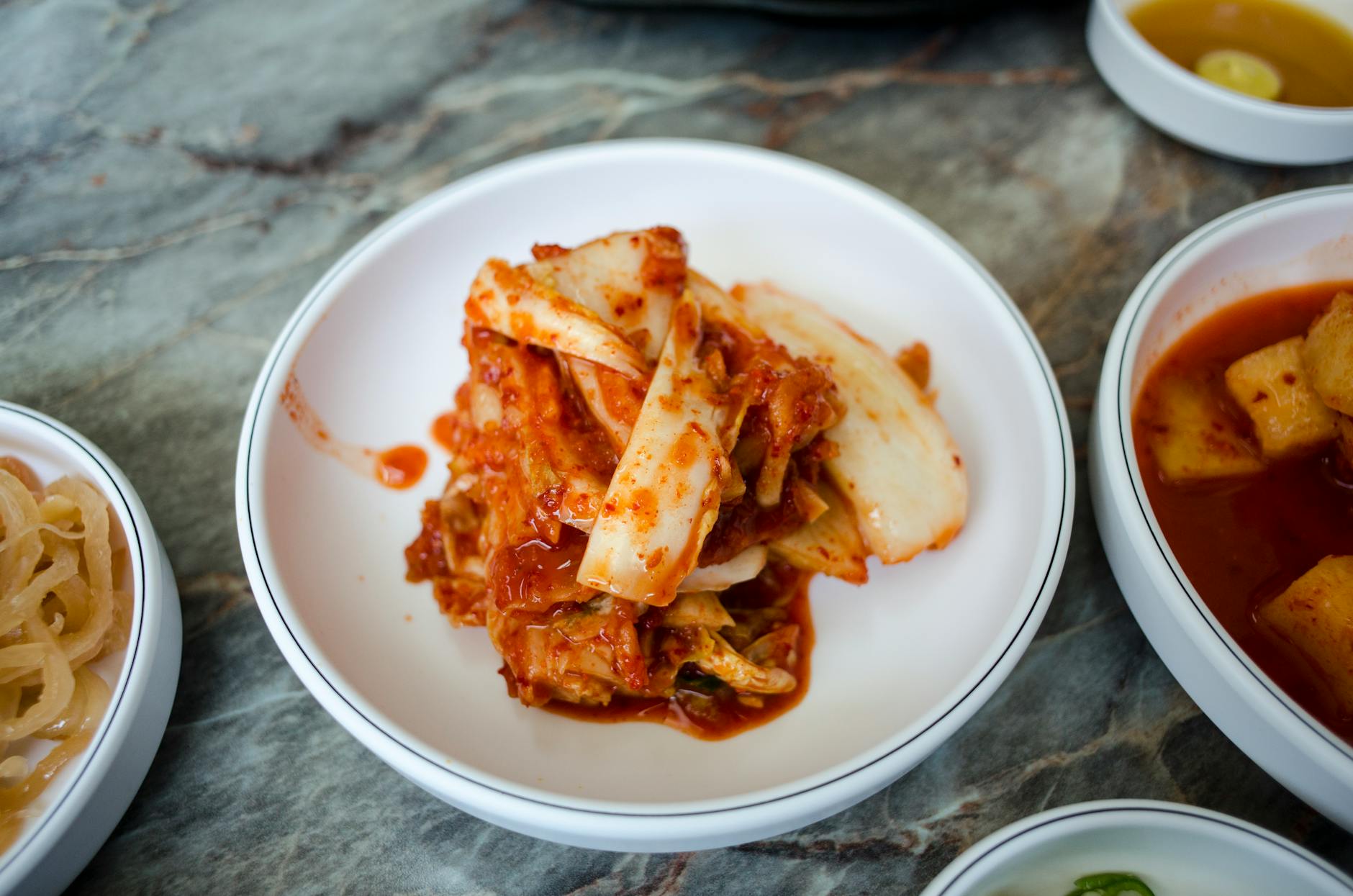
Make Kimchi at Home: The Real Baechu Method
Ever had kimchi that actually tastes like the stuff from Seoul? Not that sad, vinegary jar from your local grocery store. The secret? Fermentation time, the right salt balance, and one key ingredient most Western recipes leave out: jeotgal. That funky seafood paste is what turns spicy cabbage into real kimchi.
Napa Cabbage + Gochugaru + Jeotgal = Why Store-Bought Fails
Kimchi isn’t just spicy cabbage—it’s alive. The flavor builds over days or weeks as bacteria work their magic, not from a quick vinegar soak. Real baechu kimchi needs three things: napa cabbage, gochugaru for heat, and jeotgal for that deep, salty funk. Skip any of these, and you’ve got a bland imitation.
Supermarket kimchi often cuts corners with vinegar instead of fermentation and leaves out jeotgal entirely. That’s why it tastes flat. The real deal has layers of flavor—spicy, salty, funky. Homemade costs about $4 and blows away those $8 Whole Foods jars.
After a week at room temp, good kimchi should smell boldly funky. By week two, it turns tangier and darker red. If yours still smells like nothing after five days? Your kitchen’s too cold, or you skimped on salt.
The Actual Method: What You Need and How Long It Takes
Grab a head of napa cabbage (around 2 pounds). Slice it into quarters, then soak in salty water (2 tablespoons salt per quart) for 4-6 hours. This softens the leaves. Rinse well.
While the cabbage soaks, mix the paste: 3 tablespoons gochugaru, 2 tablespoons jeotgal (find it at Korean markets—Wang or Haechandle brands work), garlic, ginger, sugar, and water. Stir into a thick slurry. Some use fish sauce instead, but it’s not quite the same.
Slather the paste between each cabbage leaf, packing tightly into a jar. Leave an inch of space—fermentation bubbles need room. No one wants a kimchi explosion.
Let it sit at room temp (65-72°F) for 3-7 days. Taste after day three. When it’s tangy enough, fridge it. It’ll keep fermenting slowly for months. Active time: 20 minutes. Waiting: at least 3 days.
Why Jeotgal Matters More Than Your Gochugaru Quality
Everyone frets over gochugaru freshness. Wrong move. Jeotgal is the game-changer—it’s what makes kimchi taste like it came from a Korean grandma’s kitchen, not your first attempt. That funky, salty punch? All jeotgal.
Mediocre gochugaru won’t ruin your batch. No jeotgal will. This fermented seafood paste (usually anchovies or shrimp) sits in brine for months. It’s salty, smells like the ocean, and is exactly what your kimchi needs.
Find it in the fridge section at Korean markets or online. A $6-10 jar lasts forever. Don’t swap in fish sauce—it’s liquid, not paste, and lacks the same depth.
One Thing You Should Actually Do
Make a batch this week. Taste it daily for two weeks. You’ll learn how fermentation works, how salt tweaks the timeline, and what flavors you like best. After that, you’ll know if you want more funk, heat, or salt. That’s how you stop following recipes and start making kimchi your own.