Tokyo
Tokyo Bangkok
 Seoul
Seoul Singapore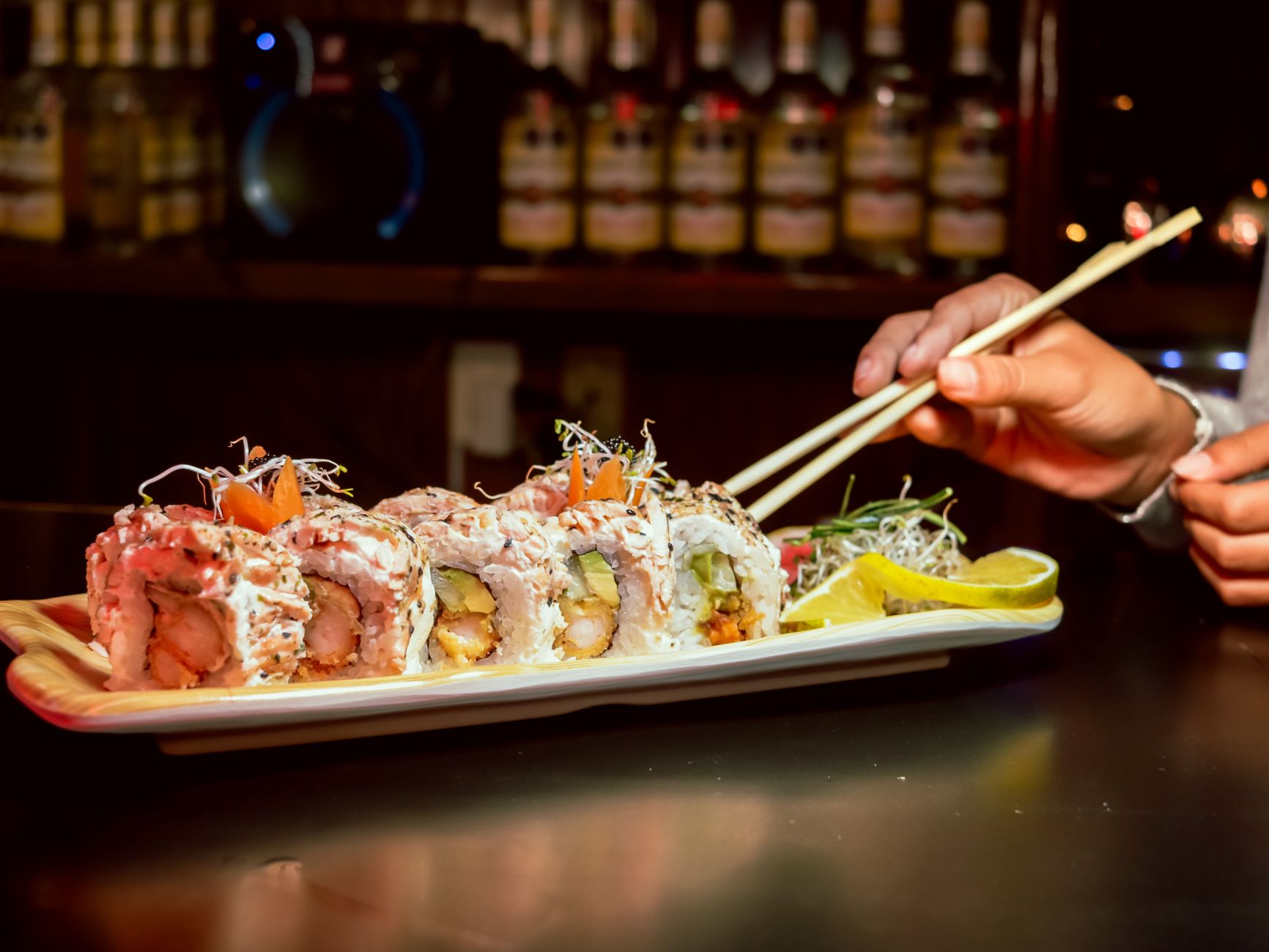
Best Asian Food in San Francisco: Korean, Japanese, Thai, Vietnamese
San Francisco’s Asian food scene has a weird quirk: everyone flocks to the same handful of hyped spots. You’ll drop $180 on omakase at some impossible-to-book place, then wonder why the Mission’s ramen tastes like it was designed for Instagram clout. The real difference? Neighborhoods. The best Asian food here cooks for locals, not influencers.
Korean Food in the Outer Sunset: Why This Neighborhood Matters More Than Koreatown
San Francisco doesn’t have a Koreatown. What it does have: the Outer Sunset. A 10-block stretch on Irving Street, between 22nd and 32nd Avenues, where Korean families have been cooking for decades. These spots don’t dumb down flavors for American tastes. The banchan (side dishes) shift daily—whatever the kitchen prepped that morning, not some corporate-approved checklist. You’ll taste the difference immediately: real fermentation, real technique.
Hit Noriega Korean Restaurant for jjigae—those hearty stews Seoul eats for breakfast. Get the doenjang jjigae (soybean paste stew with clams) at 11 a.m. on a Tuesday. Your dining companions? Construction workers and retirees, not selfie sticks. For $8, it’ll school you on Korean cooking better than any trendy Pacific Heights spot.
Japanese Food Requires Three Different Neighborhoods, Not One Restaurant
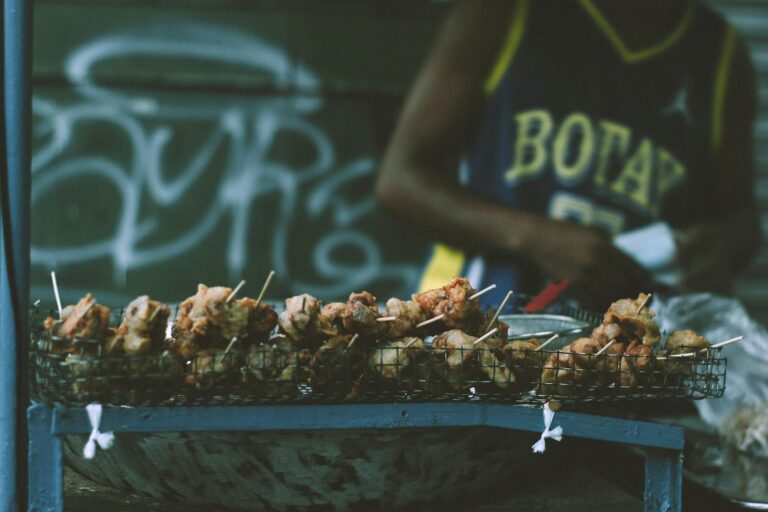
Japantown’s fun, but it’s more Disneyland than Tokyo. Here’s the move: ramen in the Richmond (Ichiran on Clement), sushi in the Marina (Kabuto Sushi—skip the rolls, go nigiri), yakitori in the Mission (Torikizoku on Valencia). These places feed actual Japanese residents. Torikizoku’s a chain, but the SF location’s run by a Tokyo vet who sources chicken right. Yakitori should cost $1.50 a skewer. More than that? You’re paying for vibes, not quality.
Let’s be real: SF’s omakase isn’t worth it. Same fish suppliers, wild markup. Skip the $200 splurge and hit Koi in the Sunset for conveyor belt sushi. Graze for 45 minutes, spend $25, and you’ll eat better fish than most omakase spots serve.
Thai and Vietnamese Food Thrive in the Tenderloin, Where Nobody Looks
Yes, the Tenderloin’s gritty. That’s why the Thai and Vietnamese food slaps—low rents mean real-deal spots survive. Pho Y #1 on Ellis Street serves pho that tastes straight out of Hanoi. The broth simmers 18 hours, no oversalting. You’ll spot it by the plastic chairs and the Vietnamese construction workers lined up at 7 a.m.
For Thai, Cha-Ya on Larkin does boat noodles (rad kaeng) most U.S. Thai joints don’t even know. Order the beef boat noodle soup and the larb (minced meat salad). The fish sauce smells intense in the bottle but makes the dish sing. This is Thai food for Thai people, not tourists.
The Thing Most Guides Won’t Tell You: Timing Matters More Than Location
Eat at 11:30 a.m. or 5 p.m., not 7 p.m. Most SF Asian restaurants cook lunch for their regulars, dinner for the crowd. Lunch is faster, fresher, cheaper. Noriega’s banchan changes between lunch and dinner. Pho Y #1’s noon broth tastes deeper than the 8 p.m. batch—more simmer time, fresher herbs.
Try this: Hit Irving Street between 22nd and 32nd Avenues at 11:30 a.m. on a weekday. Order jjigae, rice, and whatever banchan Noriega’s serving. Spend $12, eat better than any reservation-only spot, and finally get why neighborhood beats hype.