Tokyo
Tokyo Bangkok
 Seoul
Seoul Singapore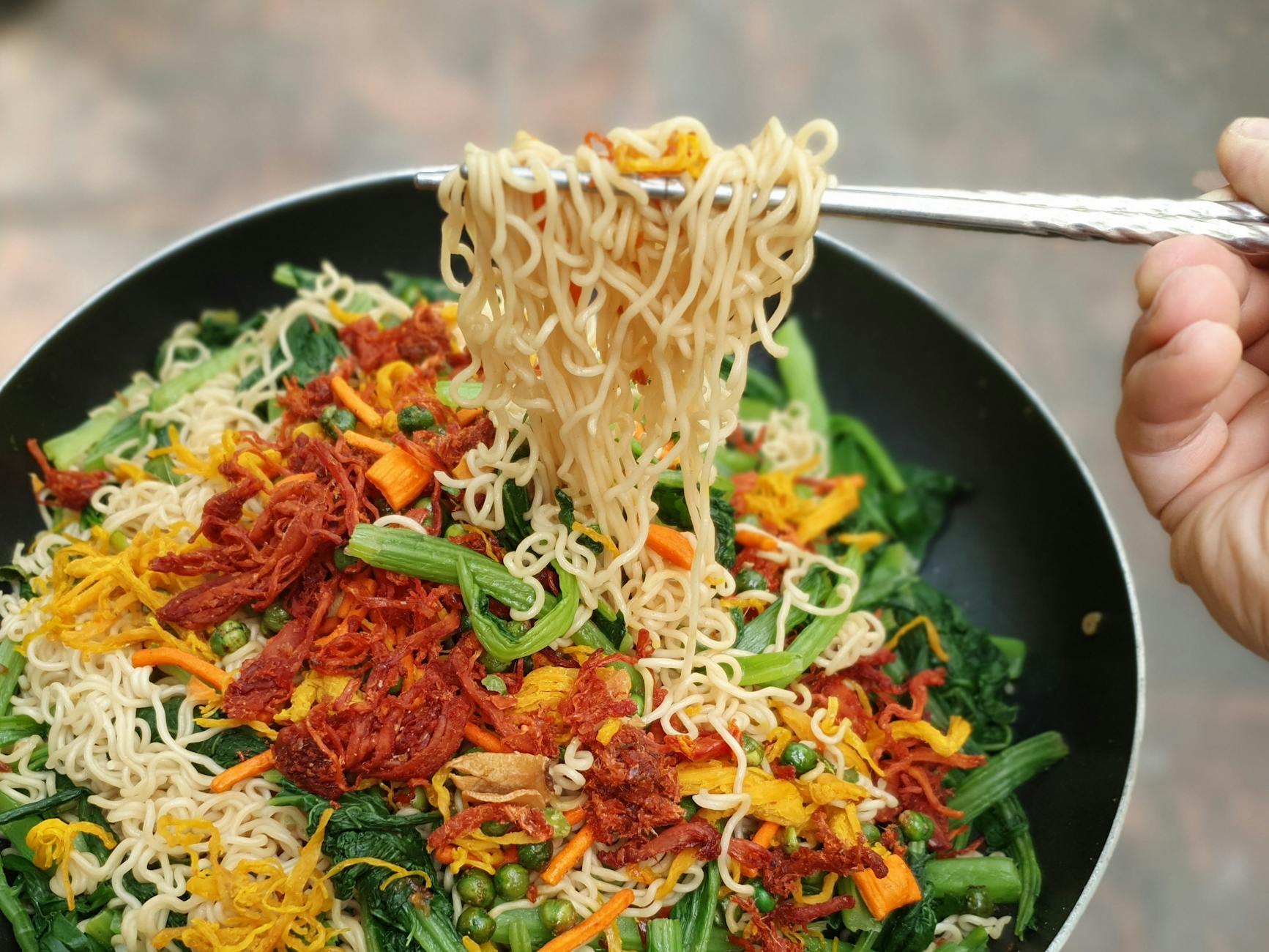
Japchae: Korean Glass Noodle Guide & Regional Styles
Japchae tastes rich and satisfying, yet it’s surprisingly light—those glossy noodles are made from sweet potato starch, not wheat or rice. That’s why they have that springy, translucent texture that won’t leave you stuffed like regular pasta. Smart choice for celebrations: filling but never heavy, perfect for formal dinners where you want to enjoy every bite.
Why Sweet Potato Noodles Matter More Than You Think
Dangmyeon noodles are the real star here. Just sweet potato starch, a bit of wheat starch, and water—pressed thin and dried. The magic? They stay chewy without turning gummy, holding onto sauce instead of soaking it up like wheat noodles do.
Bad japchae has noodles that are either mushy or crunchy. Do it right: boil for 4-5 minutes, then toss with sesame oil while hot. That stops the cooking and keeps them from sticking. The sauce—soy, sesame oil, garlic, sugar—should coat everything without puddling at the bottom. If there’s liquid pooling, something’s off.
First mentioned in 17th century royal records, modern japchae took shape in the 1900s. Those long noodles symbolize long life, which is why they’re always at weddings, birthdays, and holidays. Seeing it on the table means something special is happening.
Regional Variations Exist, but Seoul Sets the Standard
Classic Seoul-style japchae mixes beef, spinach, mushrooms, carrots, and onions—each cooked separately to keep their textures distinct. The beef gets a quick marinade in soy and sesame oil first, giving it a savory glaze.
Down in Busan, expect seafood: shrimp, squid, maybe clams. The sauce leans saltier, less sweet. Gwangju versions go heavy on vegetables, light on meat, reflecting the region’s farming roots.
One rule never changes: japchae is always made fresh. No pre-assembling. Noodles, veggies, and sauce come together right before serving. Let it sit and you lose that perfect contrast of textures.
How Koreans Actually Eat Japchae (And Why Restaurant Versions Often Miss the Point)
In Korea, japchae is never the main event. It’s part of a spread—next to grilled meats, soups, rice, and banchan. That’s why portions are smaller than what Western restaurants serve. It’s meant to complement, not dominate.
Here’s the thing: most Western Korean spots get japchae wrong. Oversized portions, drowning in sauce, with noodles that lost their bounce. A proper serving is about one cup per person. Check the noodles—they should glisten, not look dry or cracked.
At celebrations, you’ll see people eating japchae in small chopstick bunches. No fork-twirling here. The noodles should separate easily—if they clump, they’re overcooked or sauced too heavy.
Pro tip: Order japchae at places that also serve it as banchan during celebrations. That usually means they know what they’re doing. Ask if they’ll make it fresh, and eat it the second it hits the table.