Tokyo
Tokyo Bangkok
 Seoul
Seoul Singapore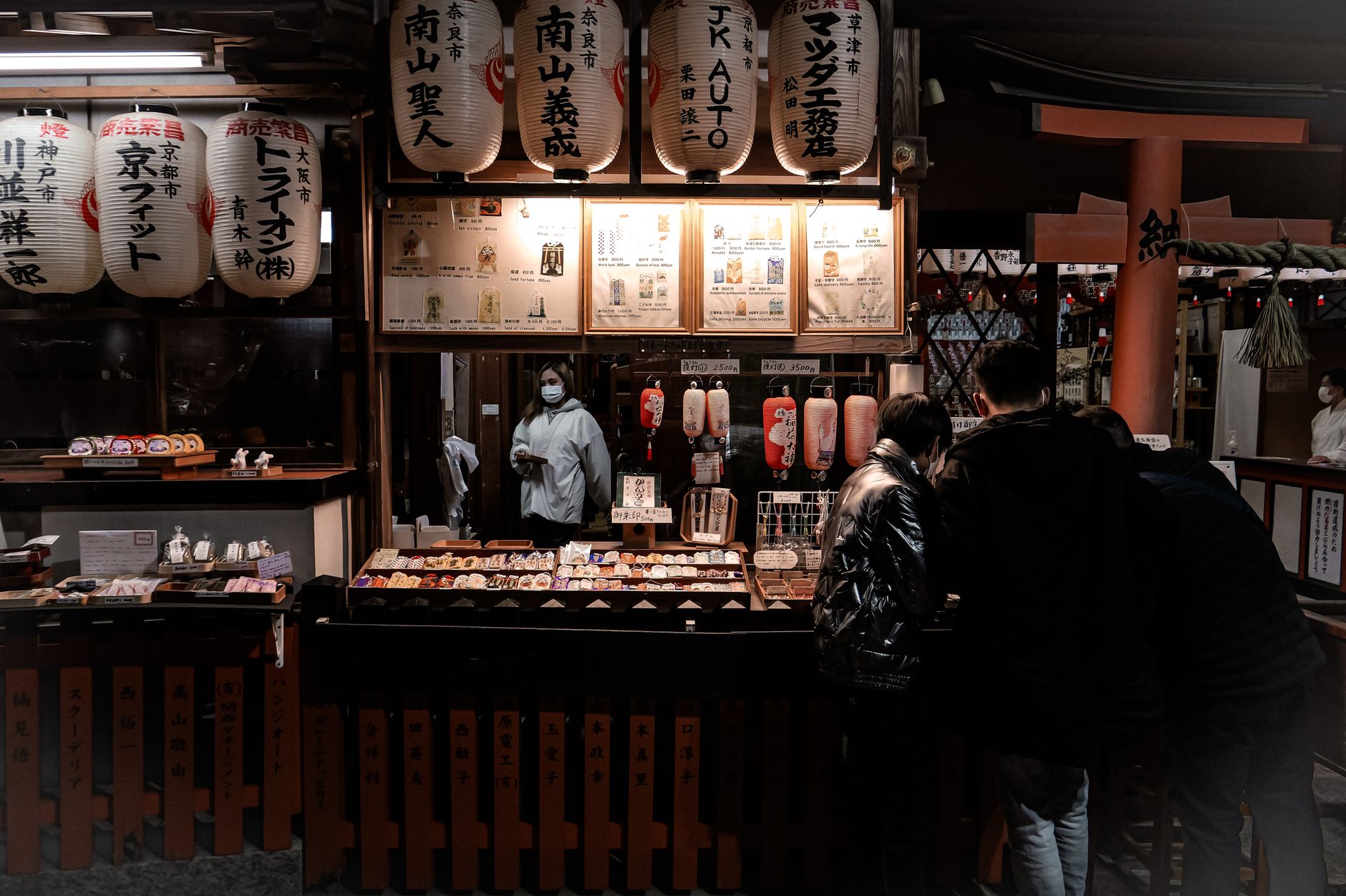
Kyoto Food Guide: Nishiki Market, Kaiseki & Local Eating
At 6 a.m., a woman in her seventies arranges pickled vegetables in a wooden barrel, her hands moving like they’ve done this for decades. She doesn’t glance up when you walk into Nishiki Market. The good daikon? Gone by noon. Mornings are for regulars—chefs, grandmothers, people who don’t need to ask questions. This is Kyoto’s real food culture, hiding in plain sight between the temples and fancy restaurants. It happens before most tourists wake up.
Kyoto doesn’t eat like Tokyo or Osaka. For a thousand years, it fed emperors first. Everyone else got what remained. That history shaped how the city cooks: seasonal, restrained, borderline obsessive about ingredients. You’ll taste it in a sip of broth or one perfect bite of fish. Less is more here. Every detail matters.
Nishiki Market: Where Kyoto Shops, Not Where It Poses
Five blocks long, 130 shops deep—Nishiki Market sells soy sauce to sea urchins, but it’s not a food court. This is where restaurants stock their kitchens. Sure, there are skewers for tourists. The real magic? Fishmongers breaking down whole tuna. Pickle barrels older than your grandparents. Vegetables you won’t find anywhere else.
Seasons dictate everything. Spring means bamboo shoots and wild mountain greens. Summer brings oddball eggplants and river fish. Autumn? Mushrooms with names you can’t pronounce. Winter is pickles, dried fish, roots that last. Walk past the octopus balls. Head where the grandmas queue. Aritsugu’s knives have outfitted chefs since 1560. Kawakami’s tofu comes in three textures, bought fresh daily. Ippudo started here before going global. The point isn’t snacking. It’s seeing what Kyoto actually eats.
Kaiseki: Not Just Fancy Plates
Calling kaiseki “fine dining” misses the plot. It grew from Zen temples and tea ceremonies. Tiny courses. Seasonal ingredients. Empty space on the plate. It’s about balance, not showing off.
You’ll pay 8,000 yen at a counter or 30,000 yen in a fancy room. The difference? Chair cushions and ingredient pedigrees. Real kaiseki chefs shop at Nishiki at dawn. Menus change by the hour. Could be five courses. Could be fifteen. Depends what the fishmonger had.
Gion Tanto does seven courses in a bare-bones space. Hyotei, running since 1831, sources from farmers they’ve known for generations. Neither bothers with flashy ads. Reservations required. They’re not performing. They’re having a conversation—with the food.
How Kyoto Really Eats
Yes, Kyoto loves precision. But locals also slurp ramen at midnight. They crowd standing bars for okonomiyaki. They dunk tofu in broth at neighborhood joints. The fancy stuff exists. So does the everyday.
Here’s the secret: touristy Gion kaiseki spots? Mostly tourists. The good meals hide in Kuramae, Arashiyama’s alleys, places without English menus. Regulars have their noodle shop, their sushi counter, their chicken skewer guy. No websites. No hype.
One more thing: Kyoto sometimes feels frozen. Tradition can become stubbornness. The best spots honor the past without being chained to it.
Try this: Hit Nishiki before 10 a.m. on a Tuesday. Buy one thing—a weird fruit, some pickles, anything unfamiliar. Ask how to eat it. That five-minute chat will teach you more than any tasting menu.