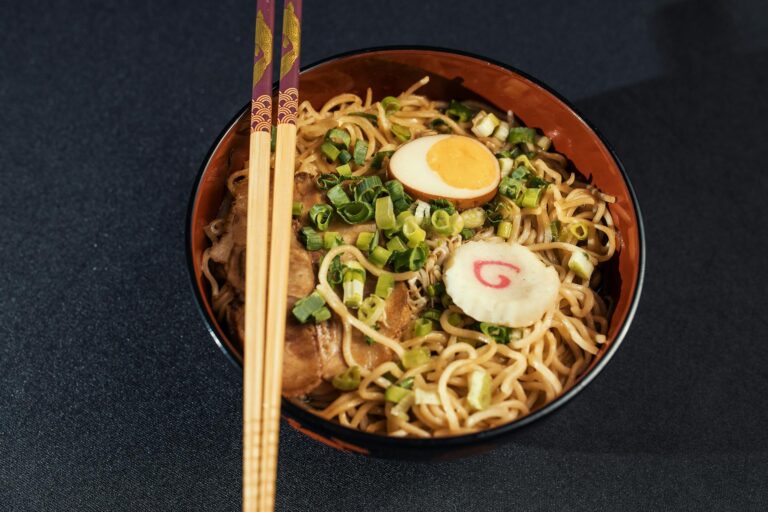
Tokyo
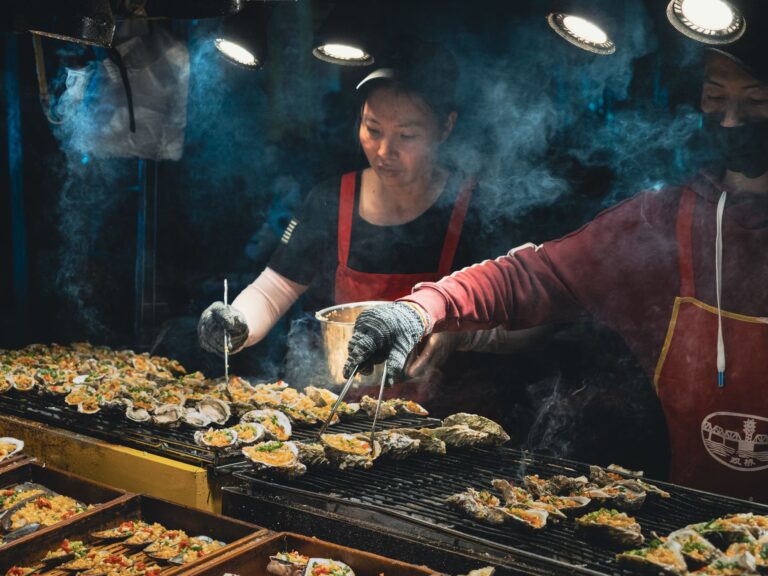
Tokyo Bangkok
 Seoul
Seoul Singapore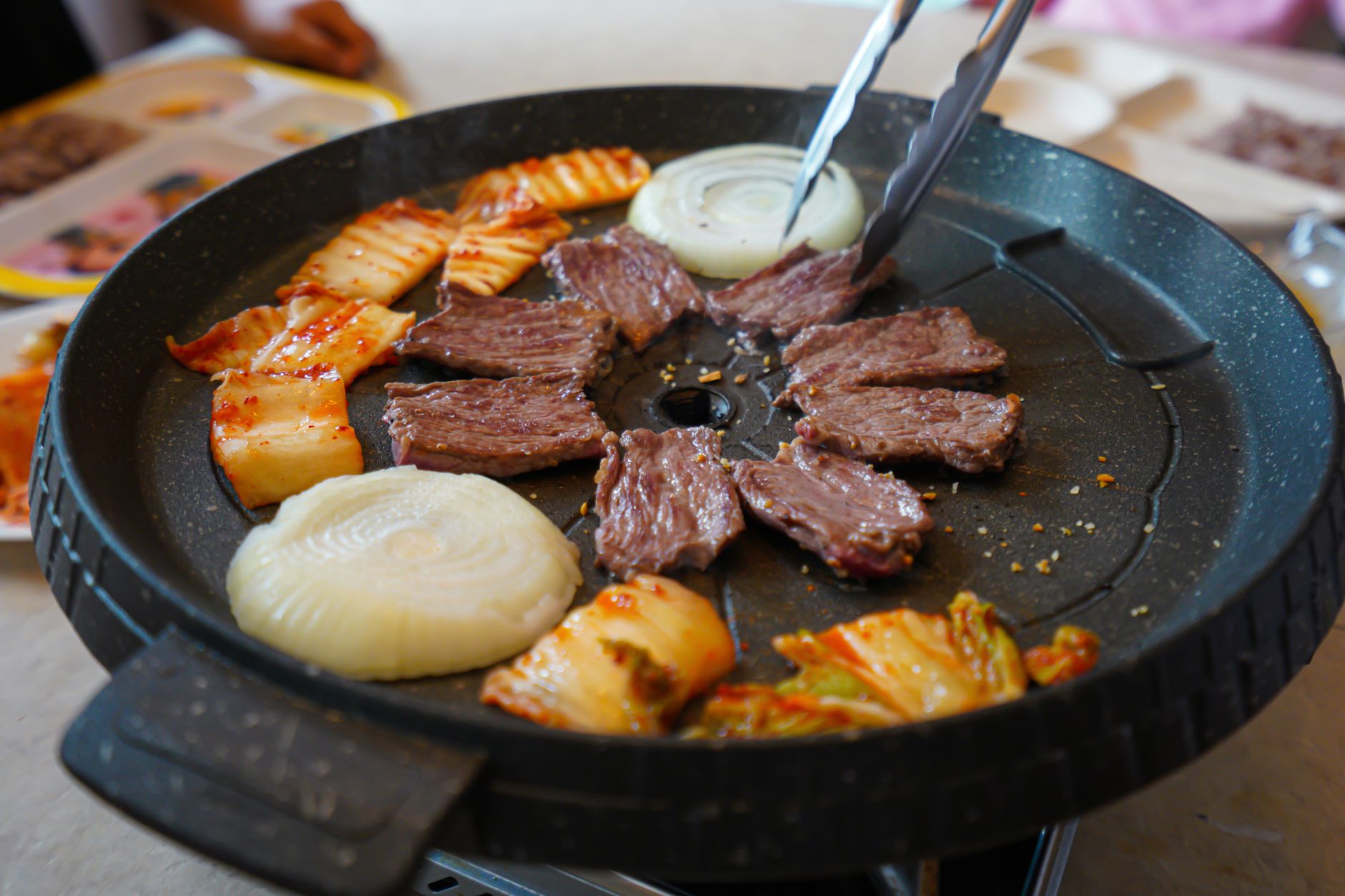
Samgyeopsal Guide: Korean BBQ Pork Belly at Home
Korean samgyeopsal—that sizzling pork belly you grill right at the table—has taken the world by storm. But here’s the truth: the real magic happens when you make it yourself. What began as simple street food in 1990s Seoul now fuels packed restaurants from London to Los Angeles, with waitlists stretching for months. Yet nothing beats gathering around your own grill, tweaking every detail to your taste.
Samgyeopsal Unpacked: Meat, History, Ritual
The name says it all—”three-layered meat” refers to those perfect stripes of fat and lean pork belly. Unlike marinated Korean BBQ staples, samgyeopsal keeps it pure. No heavy sauces. Just great pork doing the talking. That simplicity’s intentional. Korean cooking often lets top-notch ingredients speak for themselves.
This dish exploded during Korea’s 90s economic rise, when BBQ joints became the place to celebrate. Now it’s more than food—it’s a reason to gather. Which makes home cooking even better. No reservations required.
Gear Up: What You Actually Need
First, get a tabletop grill. Portable butane burners work great. No fancy equipment? A cast-iron pan on your stove does the job.
The pork matters most. Hit a Korean butcher or specialty market for properly thin-sliced belly (2-3mm thick) with good fat marbling. Supermarket cuts? Too thick. Wrong texture. Skip them.
Grab some kitchen scissors—cutting the cooked pork tableside is half the fun. Add tongs, small dipping bowls, and a grill brush. Keep the heat medium-high. You want crispy edges, not charcoal.
Wrap Like a Pro: Leaves and Sauce
Here’s where samgyeopsal shines. Those fresh green wraps? Essential. Mix it up with perilla leaves (earthy, peppery), lettuce, and sesame leaves. Each changes the game.
Then there’s ssamjang—that thick, spicy red paste. Buy it ready-made or mix your own: 2 parts gochujang to 1 part doenjang, plus garlic and sesame oil. It should pack heat but stay balanced.
The drill: smear sauce on a leaf, add pork, maybe some garlic. Fold. Eat. Repeat. Messy fingers mean you’re doing it right.
Banchan: The Little Things That Matter
Korean BBQ isn’t complete without banchan—those small side dishes that keep your palate fresh. You’ll want kimchi, obviously. Plus seasoned spinach, bean sprouts, pickled radish. Five or six varieties minimum.
Most Korean markets sell them pre-made, though homemade tastes better. Arrange everything before you start grilling. These aren’t just sides—they’re tools for building better bites.
And don’t forget that simple soy-sesame oil dip. Sometimes less is more.
Making It Yours
Great samgyeopsal isn’t about perfection. It’s about gathering around hot pork and cold drinks, letting everyone build their perfect wrap. Start with good meat. Keep the rest simple. Then watch the table come alive.