Kuala Lumpur Food Guide: Jalan Alor & Petaling Street
Kuala Lumpur’s street food economy runs on competition, not nostalgia. Vendors on Jalan Alor and Petaling Street survive because their food is better than their neighbors’, not because they’ve been there for thirty years. This is where Malaysia’s three dominant cuisines—Malay, Chinese, and Indian—collide and produce some of Southeast Asia’s most technically accomplished eating.
Jalan Alor Is Where KL Eats After Dark
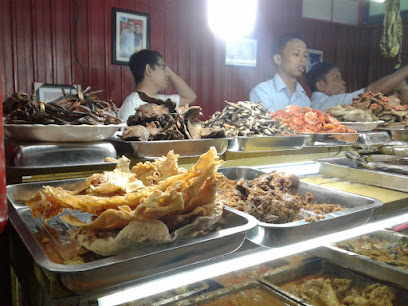
Jalan Alor, a narrow street in the Bukit Bintang district, operates as Kuala Lumpur’s de facto night market. Stalls begin service around 5 p.m., but the real crowd arrives after 9 p.m., when office workers and tourists pack the plastic stools lining both sides of the street. The quality threshold is high. A mediocre satay vendor doesn’t last a season here. You’ll find char kway teow (stir-fried noodles) cooked over flames so intense the wok handle requires constant rotation, grilled seafood where the char is precise rather than accidental, and Hainanese chicken rice executed with the kind of precision that makes the dish’s simplicity irrelevant.
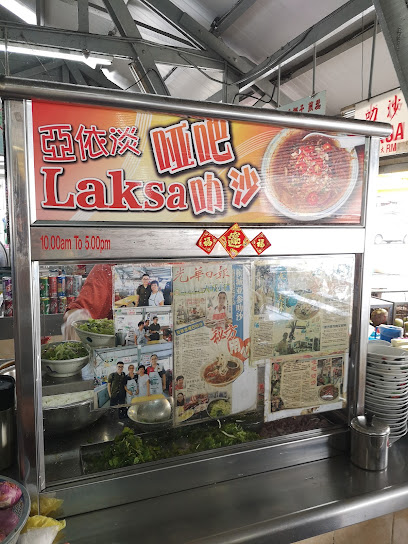
The key to eating well on Jalan Alor is arriving early enough to see what’s actually available. By 10:30 p.m., popular stalls have sold through their daily prep. Stall 17 does exceptional grilled fish wrapped in banana leaf. Stall 23 makes a laksa that uses a seven-hour broth base. These aren’t names on a map—they’re positions. Ask locals. They know which stall number does what.
Petaling Street Feeds the Neighborhood, Not the Tourists
Petaling Street, in Chinatown, operates differently. It’s a daytime market that transforms into a night bazaar selling counterfeit goods, but the food section remains serious. Here you’ll find dim sum carts rolling through at 10 a.m., roast duck hanging in windows, and noodle shops where the owner has been hand-pulling noodles since 1987. This is where Chinese Malaysians actually eat breakfast and lunch. The tourists are secondary.
The dim sum at restaurants flanking Petaling Street—places like Restoran Yut Kee or Fong Lye—operate on a cart system where you point at what you want. Quality varies by cart and by time of day. Siu mai (pork and shrimp dumplings) made at 10 a.m. will be better than the same item at 1 p.m. The roasted meats—duck, pork, chicken—are sold by weight at stalls throughout the street. Buy from whoever has the shortest line. That’s your indicator of turnover and freshness.
Malaysia’s Food Politics Explain Why These Streets Matter
Most travel guides ignore the actual structure of Malaysian food culture. Malaysia is 70% Muslim, which means pork is restricted but not absent. Petaling Street’s Chinese-majority zone sells pork openly. Jalan Alor, more mixed, has separate stalls for halal and non-halal proteins. This isn’t a problem to navigate—it’s the system working as designed. Vendors know their customer base. A halal stall won’t run out of chicken satay at 9 p.m. because they’ve calculated demand across the evening service.
The other thing guides miss: English is functional but not universal among older vendors. Pointing works. Watching what locals order works better. If you don’t speak Malay or Mandarin, eat where there’s a line of locals. Language becomes irrelevant when you’re ordering the same thing as the person in front of you.
Spend an evening on Jalan Alor starting around 8 p.m., order char kway teow from whichever stall has the most aggressive flame, then walk to Petaling Street the next morning for dim sum at 10:30 a.m. This isn’t a comprehensive tour of Kuala Lumpur’s food scene. It’s the entry point that actually works.