Kuala Lumpur Food Guide: Jalan Alor & Petaling Street
Every Kuala Lumpur food guide online sends you to the same five restaurants in the Pavilion mall food court. This one doesn’t. Instead, you’ll eat where three million people actually eat—in neighborhoods where a meal costs $2 to $8, where hawkers have been working the same spot for 20 years, and where you’ll see zero other tourists at lunch.
Jalan Alor is where KL eats after dark, and it’s nothing like your guidebook says
Jalan Alor is a single-block pedestrian street in Bukit Bintang packed with 50+ open-air stalls. Most travel writing describes it as “vibrant” or “chaotic,” which tells you nothing useful. Here’s what matters: it’s crowded, loud, and the stalls operate from 6 p.m. to 2 a.m. You go there specifically for grilled seafood, char kway teow (fried rice noodles), and satay. The quality varies wildly—some stalls are excellent, others serve mediocre food to tourists who don’t know better. The difference is usually whether locals are eating there.
Good char kway teow has a dark, almost burnt edge on the noodles and tastes of wok heat, not oil. Bad versions are greasy and taste like they were cooked at low temperature. The stall run by the older woman on the left side (near the entrance) has a line of locals at 7 p.m. That’s your signal. For grilled seafood, order fish or prawns and specify how you want them cooked—garlic butter, chili, or sambal. Prices are posted, though you’ll pay slightly more as a tourist. Don’t negotiate. Expect to spend 25-35 ringgit ($5-7) for a full meal with beer.
Petaling Street’s food court is where three cuisines collide in one building
Petaling Street in Chinatown has a wet market on the ground floor and a proper food court on the second level. This matters because you can eat Cantonese dim sum at one stall, Hakka noodles at another, and Indian roti canai at a third—all within 20 feet, all made by people who’ve been doing it for decades. The dim sum stall opens at 10 a.m. and stops taking orders by 1 p.m. Go early. Order har gow (shrimp dumplings) and siu mai (pork dumplings) and check that the filling is visible through translucent skin—that’s the mark of careful steaming, not rushed production.
The Hakka noodle stall makes a version with preserved mustard greens and minced pork that’s sharper and less heavy than standard chow mein. The roti canai stall serves it with dhal and curry—order the chicken curry version, not the plain dhal. Prices run 5-12 ringgit per dish. The food court is air-conditioned, relatively clean, and mostly used by office workers and market vendors, not tourists. Lunch is 11:30 a.m. to 2 p.m. Breakfast is 7 a.m. to 10 a.m.
The real reason tourists miss the best food: they eat in the wrong neighborhoods at the wrong times
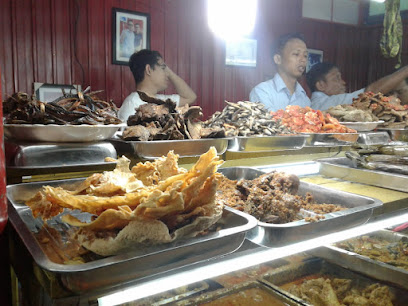
Most visitors eat at night or in shopping malls because that’s when English signage appears and credit cards work. The best food in KL happens during lunch hours (11:30 a.m. to 2 p.m.) in neighborhoods without English menus. Jalan Imbi, one block from Jalan Alor, has a row of lunch-only stalls where you point at what you want. Nasi kuning (turmeric rice), rendang (meat in coconut curry), and ulam (raw vegetable salad with shrimp paste) are standard. No one speaks English. Most tourists never find it.
Also: KL’s Indian food is concentrated in Brickfields, about 15 minutes from downtown. The roti canai and curry laksa there are better than Chinatown versions because the neighborhood is 40% Indian and competition is real. Restaurants here operate on Indian timing—breakfast from 7-10 a.m., lunch from 11:30 a.m. to 2:30 p.m., dinner from 6 p.m. onward. Show up at 3 p.m. and half the stalls will be closed.
What to do right now
Tomorrow morning, go to Petaling Street at 10:30 a.m., eat dim sum, then walk through the wet market below. Lunch at Jalan Imbi around 1 p.m. Dinner at Jalan Alor after 7 p.m. You’ll spend about $15 total and eat better than 90% of KL visitors. Bring cash in ringgit. Phone your hotel if you get lost—the neighborhoods are safe but confusing to navigate.