Kuala Lumpur Food Guide: Jalan Alor & Petaling Street
Kuala Lumpur’s street food reputation rests almost entirely on nostalgia and Instagram aesthetics—but the real reason to eat here is far more practical: you’ll find better versions of Southeast Asian dishes at lower prices than anywhere else in the region. The city’s three-way cultural split between Malay, Chinese, and Indian communities means competition drives quality upward, not marketing budgets.
Jalan Alor: Where Hawker Stalls Prioritize Technique Over Tourism
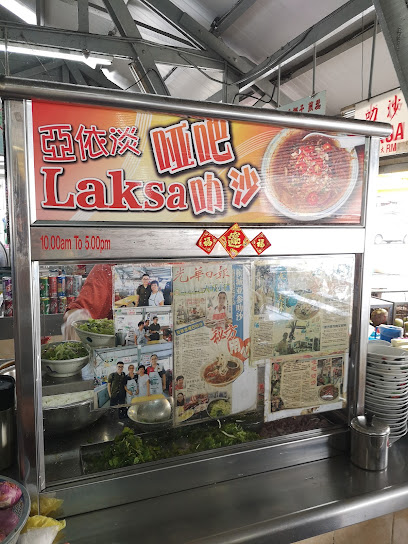
Jalan Alor operates on a different frequency than most tourist-friendly food streets. Yes, it’s crowded at night, but the vendors aren’t performing for cameras—they’re executing the same recipes their families perfected across decades. The char kway teow stalls here use wok heat so intense it borders on violent, creating that essential smoky crust that separates competent from exceptional. At stalls like those near the intersection with Jalan Sultan Ismail, you’ll watch cooks work with the precision of surgeons, adding bean sprouts and Chinese chives at exact moments to maintain texture. Order the shrimp version; the protein matters less than the technique applied to it. The laksa vendors operate with similar conviction, building their broths from scratch daily using dried chilies, shallots, and galangal ground into paste. Expect to pay 8-12 ringgit (roughly $1.70-$2.60 USD) for bowls that would cost triple in Western cities. The real test: arrive after 10 p.m. when the tourists thin out and watch how the stall operators feed themselves and their staff—that’s your indicator of which places maintain standards when nobody’s watching.
Petaling Street’s Chinese Food Hierarchy: Reading Between the Signs
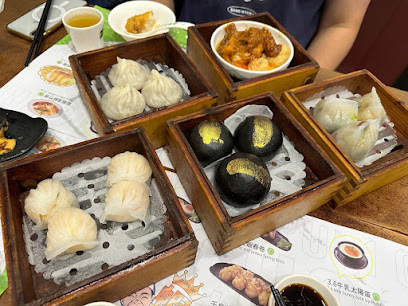
Petaling Street’s food corridor reveals something most guides miss: the best stalls are often the plainest. The dim sum pushcarts rolling through restaurants here follow strict hierarchies—certain trolleys carry superior items, and locals know which ones to flag down. At places like Restoran Hua Sheng, the siu mai (pork and shrimp dumplings) feature hand-chopped filling with visible texture, not the pre-made paste found elsewhere. The har gow wrappers achieve that translucent quality only through precise steaming technique and fresh wheat starch. Duck noodles dominate the lunch scene here; the best versions hang in windows where you can see the bird’s skin color—deep mahogany indicates proper five-spice brining and roasting. Roasted meats in general define this street’s identity. The char siu comes glazed with a caramelized exterior that shatters slightly when you bite into it, the result of repeated basting during cooking. The chicken feet (feng zhua) get braised in black bean sauce until the skin becomes gelatinous and flavorful rather than rubbery. These aren’t exotic experiences; they’re what regular people eat for lunch.
The Indian Triangle: Roti, Curry, and Practical Flavor
KL’s Indian food scene concentrates around Jalan Masjid India and nearby areas, where roti canai vendors start work before dawn. The dough gets stretched impossibly thin through skill developed over years, creating that essential crispness when fried in ghee. Pair it with dhal curry that’s been simmering for hours, or the chickpea curry (channa) that carries real heat from dried red chilies. The naan here differs from Indian versions—it’s lighter, less dense, designed for the tropical climate and local palates. Mamak stalls serve teh tarik (pulled tea) that’s more about the theatrical pouring than the drink itself; the aeration creates that distinctive silky texture. The roti telur (roti with egg) represents the street food category at its most practical: filling, cheap, and executed the same way across dozens of stalls because deviation from the formula simply doesn’t work. These aren’t refined interpretations of Indian cuisine; they’re the working-class backbone of KL’s food culture.
Skip the food tours and the Instagram-famous restaurants. Arrive hungry, carry cash, and eat where the lunch crowds gather at noon. That’s where you’ll find the real Kuala Lumpur.