Bangkok Street Food by Neighborhood: Where Locals Actually Eat
In Bangkok, street food isn’t a weekend activity or something you do between air-conditioned mall visits. It’s how people eat. Office workers grab khao man gai from the same cart every morning before 8am. Families split a bag of sai oua from their neighborhood vendor on the way home. The food carts aren’t staging grounds for Instagram photos—they’re where actual meals happen, where regulars have standing orders and vendors know exactly how spicy you like it. Understanding Bangkok’s street food means understanding it by neighborhood, because each area has its own rhythm, specialties, and the vendors that locals have trusted for years.
Chinatown: Where Breakfast Means Jok and Youtiao
Yaowarat comes alive before dawn. Head to Soi Texas or around Wat Mangkon Kamalawat temple between 6 and 9am, and you’ll see construction workers, taxi drivers, and shop owners eating standing up, moving fast. This is jok territory—rice porridge that’s nothing like the bland versions served in Western diners. Here it’s thin, almost broth-like, served with century egg, pork offal, and crispy fried shallots. Vendors ladle it fresh from massive pots that have been simmering since 4am. Pair it with youtiao—those long, golden fried dough sticks—which you dunk directly into the bowl. The texture contrast matters: the porridge’s silky heat against the crispy exterior and chewy interior of the youtiao. Around Soi Nana, look for the carts selling khanom krok—those coconut custard pancakes cooked in specialized molds. Locals buy them by the dozen, eating them warm with their edges still slightly crispy. Chinatown’s street food is transactional and efficient. Vendors don’t chat much. You order, you eat, you leave. It’s the opposite of leisure dining.
Ari and Sanam Luang: The Afternoon Snack Culture
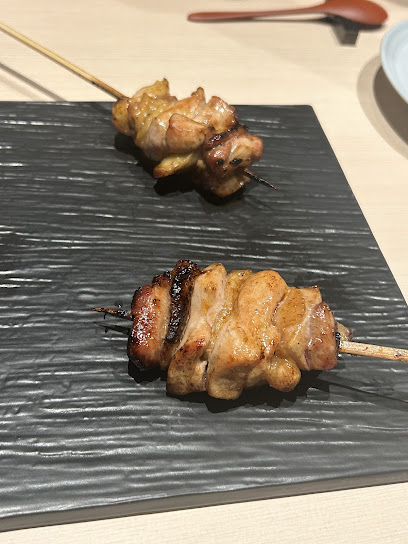
Around 3pm, Bangkok shifts into snacking mode, and Ari becomes the epicenter. Near BTS Ari station, vendors set up for the pre-dinner crowd. This is where you find sai oua—the northern Thai sausage that’s nothing like European versions. It’s coarse, studded with whole coriander seeds and garlic, grilled over charcoal until the casing splits slightly. Vendors serve it with sticky rice, fresh cabbage, and a small dish of nam pla—fish sauce with bird’s eye chilies. One sausage costs about 30 baht. People eat two or three. Nearby, other carts specialize in grilled squid and fish cakes. The squid is butterflied and marked hard on the grill, served with a squeeze of lime and the same fiery nam pla. Sanam Luang, near the Grand Palace, operates differently. Here you’ll find kratip tod—crispy catfish—and som tam vendors. The papaya salad here is made to order, pounded in a mortar with garlic, chilies, lime juice, and fish sauce. Tourists often find it too spicy. Locals order it spicier. The fish is fried until the exterior shatters, served with jasmine rice and the som tam on the side.
Ekkamai: Late-Night Eating and Real Specialties
Ekkamai’s street food scene operates on different timing. After 8pm, the neighborhood transforms into a proper eating destination. This is khao soi territory—the northern curry noodle soup that requires serious technique. Good vendors make their curry paste fresh daily, simmering it with coconut milk, turmeric, and dried chilies for hours. The noodles come crispy on top, soft underneath, swimming in the golden broth. A proper bowl includes chicken thigh—never breast meat—pickled mustard greens, and a squeeze of lime. Near Soi 63, vendors specialize in boat noodles, the Bangkok version of a noodle soup that’s darker, more complex, made with pork blood and offal. It’s served in a small bowl, which means people often eat two or three. The broth tastes like it’s been building for days. Around midnight, the same carts selling khao soi switch to selling khao tom—rice soup—for the very late-night crowd. It’s comfort food for people finishing work at 1am or heading home from bars. Simple, restorative, exactly what you need at that hour.
The real Bangkok street food experience isn’t about collecting dishes. It’s about finding your vendors and becoming a regular. Pick a neighborhood, pick a time of day, and eat what the people around you are eating. The best meal won’t be the one you researched online—it’ll be the one you stumbled into because you were hungry and the queue looked long enough to mean something.