Asam Laksa: Malaysia’s Sour Noodle Soup Explained
Asam laksa isn’t Malaysia’s most photogenic dish—it’s deliberately sour, deliberately fishy, and deliberately challenging to Western palates. That’s precisely why it deserves your attention. While pad thai gets the Instagram glory, asam laksa remains the country’s most technically demanding noodle soup, a dish that separates casual visitors from those willing to understand Malaysian food on its own terms.
The Tamarind-Fish Paste Foundation That Defines a Region
Asam laksa belongs to Penang, specifically the Georgetown waterfront, though you’ll find variations across the northern Malaysian coast. The dish’s soul lies in its broth—built from tamarind paste (asam), dried chilies, galangal, and most critically, fermented fish paste (belacan). This isn’t a delicate combination. The fish paste provides umami depth that soy sauce simply cannot match, while tamarind delivers an aggressive sourness that makes your mouth water before the noodles even arrive. The broth simmers for hours, allowing these elements to marry into something greater than their parts. Penang’s version typically includes rice noodles, topped with shredded pineapple, cucumber, onion, and a protein—usually mackerel or prawns. The pineapple isn’t decorative; its natural sweetness provides counterpoint to the sour-salty intensity below.
Georgetown’s Competing Claims and Real Standouts
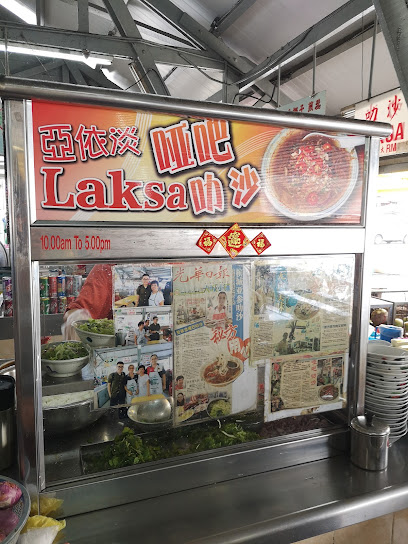
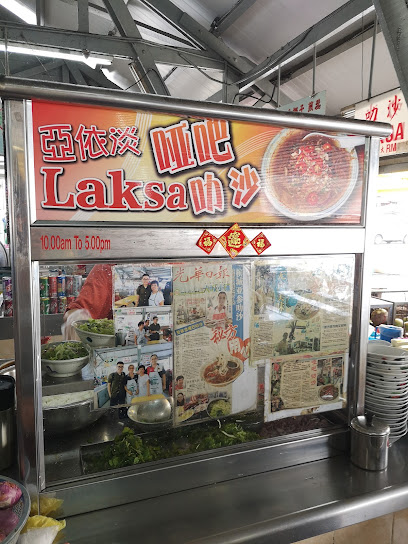
Georgetown’s Lebuh Chulia street hosts multiple asam laksa stalls, each claiming superiority. Kedai Makanan Kuan Kee operates from a corner shophouse where the owner has been ladling broth since 1987, and the consistency shows—their fish paste integration is seamless, without the grainy texture you’ll find at rushed competitors. For something more contemporary, Penang Road Famous Laksa near the KOMTAR building attracts locals and visitors alike, though expect queues by 11 AM. The difference between mediocre and excellent asam laksa often comes down to broth simmering time and fish paste quality. Cheaper versions cut corners on both, resulting in thin, one-dimensional broths that taste like sour water. Real asam laksa coats your palate; it lingers for hours.
Why Asam Laksa Resists Globalization
Asam laksa hasn’t conquered Western food scenes because it refuses compromise. The fermented fish paste ingredient alone stops most attempts at adaptation—Western diners often find it off-putting, while restaurants attempting to dilute it create something unrecognizable. The sourness level also presents challenges; most Western soups aim for balance, while asam laksa weaponizes sourness as a feature, not a bug. This cultural specificity is its strength. You cannot make proper asam laksa without understanding why Penang’s fishing communities developed this particular combination of ingredients, or why tamarind grows so prolifically in Malaysian climates. The dish emerged from necessity and geography, not trend-chasing.
If you’re traveling to Penang, skip the tourist-oriented seafood restaurants and find a proper laksa stall in Georgetown’s morning markets. Order a small bowl first—asam laksa demands respect and an open mind. The sourness, the fish funk, the noodle texture: these aren’t flaws to overcome but characteristics to appreciate. This is Malaysian food speaking its own language, refusing translation.