Tokyo
Tokyo Bangkok
 Seoul
Seoul Singapore
Pad Kra Pao: Thailand’s Essential Holy Basil Stir Fry
Pad Kra Pao: Thailand’s Go-To Comfort Food
No Thai street food experience is complete without Pad Kra Pao. That sizzling wok of holy basil stir fry you smell everywhere? That’s the sound of lunchtime in Thailand. Millions eat it weekly – office workers grabbing quick meals, families needing something fast and satisfying. The secret isn’t fancy ingredients. It’s how garlic, chilies, and that unique basil come together in minutes with a punch of flavor you’ll crave.
Pad Kra Pao 101: Thailand’s Beloved Stir Fry
“Pad Kra Pao” simply means stir-fried basil, but that name doesn’t do it justice. Holy basil’s the star here – nothing like the sweet basil on your pizza. It’s spicier, with a peppery kick that gets stronger when cooked. The rest is straightforward: minced meat (usually pork or chicken), garlic, chilies, and a sauce that balances salty, sweet, and umami. No complicated techniques. Just heat, speed, and bold flavors.
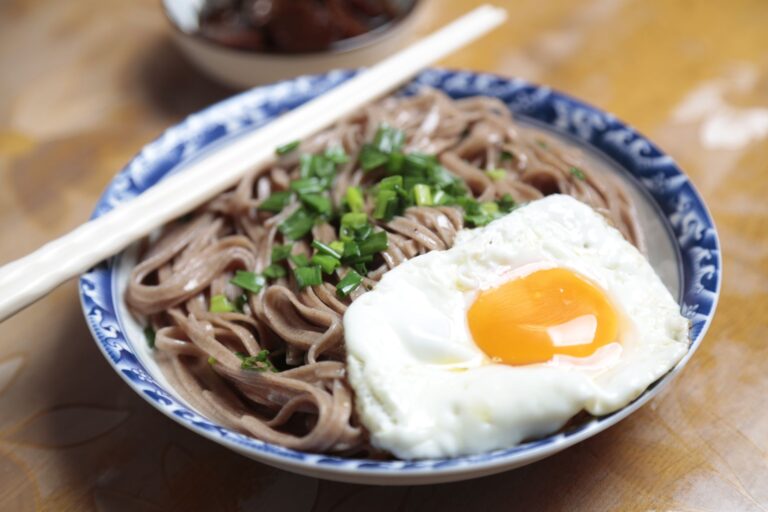
You’ll always find it served over rice with a crispy fried egg on top. Street vendors have their own versions – some extra spicy, others sweeter. That’s the beauty of it. Vegetarian? Use tofu. Prefer chicken? Swap it in. The dish adapts while keeping its soul.
Why This Dish Matters in Thailand
Pad Kra Pao isn’t some tourist-menu novelty. It’s real-deal everyday food. Workers eat it for lunch. Students order it after class. Night owls grab it from 24-hour stalls. The dish really took off when Thailand’s cities grew fast last century – vendors needed to feed people quickly and cheaply without skimping on flavor.
It’s also a perfect example of Thai flavor balance. Fish sauce for saltiness, palm sugar for sweetness, lime for sourness, chilies for heat. All those elements work together in every bite. Then there’s the smell – that mix of garlic and holy basil hitting a hot wok is unmistakable. Walk past any Thai food court and you’ll know it immediately.
Making Real Pad Kra Pao at Home
Want the authentic version? Crank your burner as high as it goes. A smoking-hot wok is key. Fry garlic and chilies just until fragrant – about 10 seconds. Add your meat, breaking it up as it cooks. Have your sauce ready (fish sauce, soy sauce, oyster sauce, sugar) and pour it in once the meat’s done.
Here’s the important part: toss in whole holy basil leaves at the end. Don’t chop them. The heat wilts them perfectly while keeping their flavor strong. From first ingredient to finished dish? Five minutes max. That’s why Thais make this so often.
Can’t find holy basil? Check Asian grocery freezers. Regular basil won’t cut it – the flavors are completely different.
Why This Dish Belongs in Your Kitchen
Pad Kra Pao teaches you more about Thai cooking than any fancy curry. It shows how simple ingredients transform under high heat. Once you nail this, you’ll understand why Thai food tastes so good without complicated techniques.
Grab some holy basil next time you’re at an Asian market. In less time than it takes to order takeout, you’ll have a plate that tastes like Bangkok’s best street stalls. Maybe better – because you made it yourself.