Tokyo
Tokyo Bangkok
 Seoul
Seoul Singapore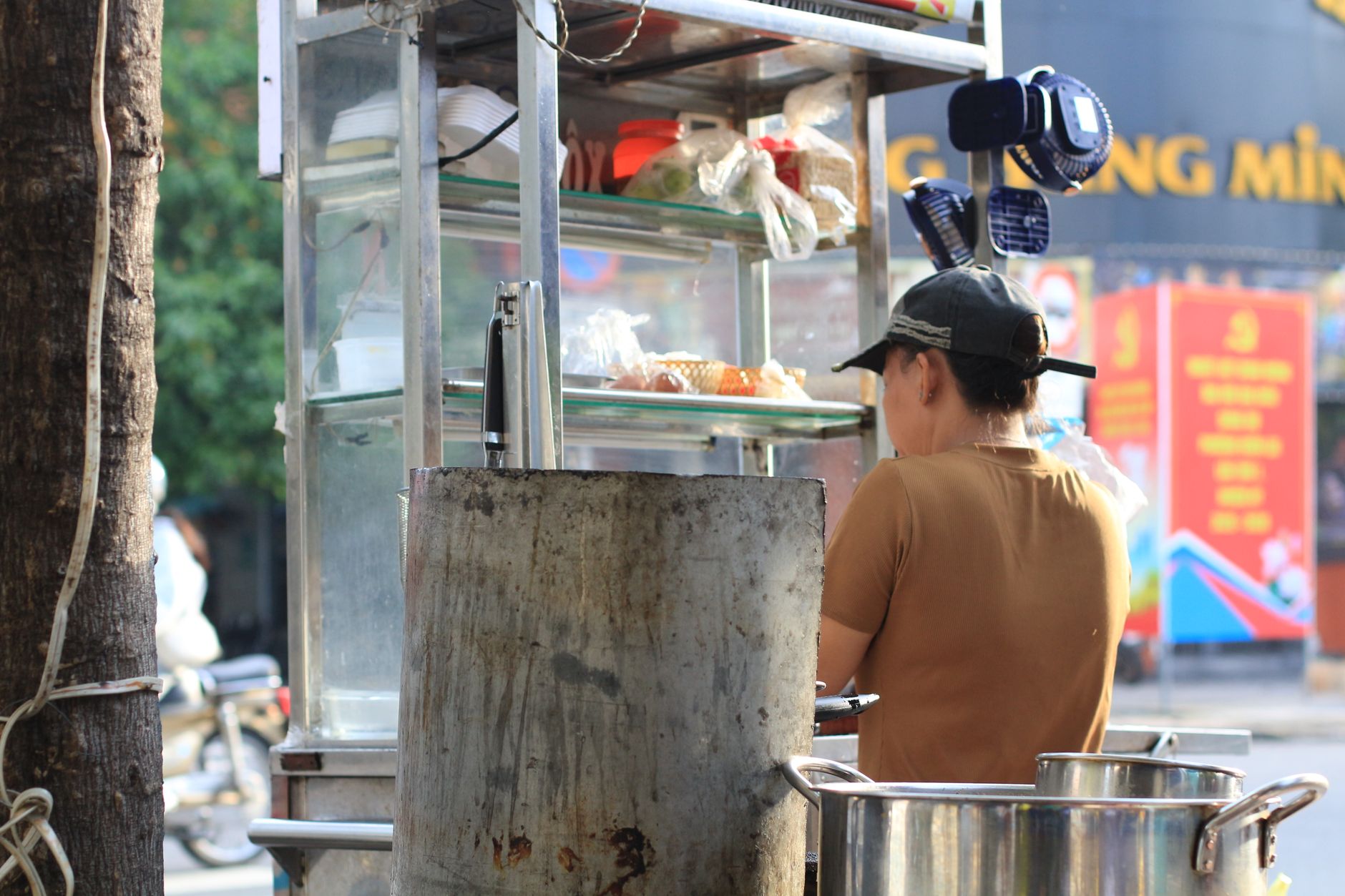
The Best Bánh Xèo in Ho Chi Minh City: A Local’s Guide

Why Ho Chi Minh City is the Bánh Xèo Capital of Vietnam
Ho Chi Minh City doesn’t have just one standout bánh xèo spot—it’s got dozens. Unlike Hanoi’s thin, delicate versions or Da Nang’s regionally proud takes, HCMC’s bánh xèo scene feels raw and real. It’s shaped by migrants who brought family recipes from the Mekong Delta and Central Vietnam, honed over years of friendly competition. The result? A scattered, neighborhood-driven food culture where the best bánh xèo often hides in residential corners, made by cooks who’ve mastered their craft through sheer repetition, not tourist hype.
Google Maps backs up what locals already know: HCMC’s bánh xèo hotspots are loaded with perfect 5-star ratings, especially in outer districts like Củ Chi, Bình Mỹ, and Nhuận Đức. These aren’t flukes. They’re the work of vendors who take bánh xèo seriously—no shortcuts, no compromises.
The Top Five Bánh Xèo Destinations in HCMC
- Bánh Xèo Bình Dân Điểm Hẹn (96c Trần Tử Bình, Củ Chi) — The top-rated standalone bánh xèo spot in the city, with a flawless 5-star score across 21 reviews. Its name means “People’s Bánh Xèo Meeting Point,” and that’s exactly what it is—a simple, no-nonsense place where locals gather. Located in Củ Chi, a historical bánh xèo stronghold, this isn’t a restaurant dabbling in the dish—it’s a specialist. Expect crispy edges, plump shrimp, and fillings that don’t hold back on protein.
- Bánh Xèo Quỳnh Như (Thai My, Ho Chi Minh) — Another 5-star spot, though with fewer reviews (6), this place in Thai My offers a quieter slice of HCMC’s bánh xèo scene. Thai My feeds the city with its agricultural output, so restaurants here rely on reputation and volume, not tourist traffic. That’s exactly why it’s worth the visit.
- Sol Cu Chi Restaurant (Nhuận Đức) — The exception. With 2,317 reviews and a 4.9-star rating, Sol Cu Chi operates on a different level. It’s grown into a full-service restaurant, but bánh xèo remains the star. The sheer number of reviews speaks to its consistency—a massive achievement for any eatery.
- Bánh Xèo Cô Thủy (Số 32 Ấp 2, Nhuận Đức) — Rated 4.7 stars across 43 reviews, Cô Thủy has earned steady loyalty through word of mouth, not viral fame. Nhuận Đức is becoming HCMC’s bánh xèo hub, with multiple top-rated spots clustered here—proof of skilled cooks building their names locally.
- Bánh Xèo Cô Thu (965 Nguyễn Văn Khạ, Nhuận Đức) — Also in Nhuận Đức, this spot has a 4.5-star rating with 36 reviews. The slight dip compared to Cô Thủy might reflect higher volume or different customer expectations. Both places have staying power, which counts for more than any single review.
What Makes HCMC Bánh Xèo Different
Regional bánh xèo styles vary subtly but noticeably. Central Vietnamese versions are thinner and turmeric-heavy, giving them a bright yellow hue. Southern Delta bánh xèo—HCMC’s specialty—leans thicker, oilier, and more forgiving, with generous fillings and bigger shrimp.
But the real difference is in how HCMC’s vendors operate. Without the Old Quarter’s infrastructure or Da Nang’s tourist appeal, they rely on local customers week after week. It’s a survival-of-the-fittest system. The perfect 5-star ratings in Củ Chi and Bình Mỹ aren’t luck—they’re earned by vendors who’ve weathered economic ups and downs without cutting corners.
HCMC’s bánh xèo is also more likely to come with companions: bánh khọt (smaller, cup-shaped cousins), bún thịt nướng (grilled pork with rice noodles), and other dishes that show the vendor’s deep understanding of Southern Vietnamese cuisine. It’s not just about bánh xèo—it’s about the whole culinary ecosystem.
Practical Information: When, Where, and How
Timing: Bánh xèo is a breakfast and lunch dish. Most spots open around 6:00 AM and close by 2:00 PM or 3:00 PM. Dinner service exists but is rare. Plan your visit early.
Getting There: Củ Chi and Bình Mỹ aren’t walkable from central HCMC. You’ll need a taxi, Grab, or motorbike. Budget 30-45 minutes from District 1. The inconvenience is part of the charm—these vendors aren’t catering to tourists, which is why the food is so good.
Ordering: Most bánh xèo vendors keep it simple—shrimp-and-pork or shrimp-only options are common, with occasional vegetarian choices. Prices range from 25,000 to 40,000 VND per pancake. Order 2-3 per person. Bring cash; cards aren’t usually accepted.
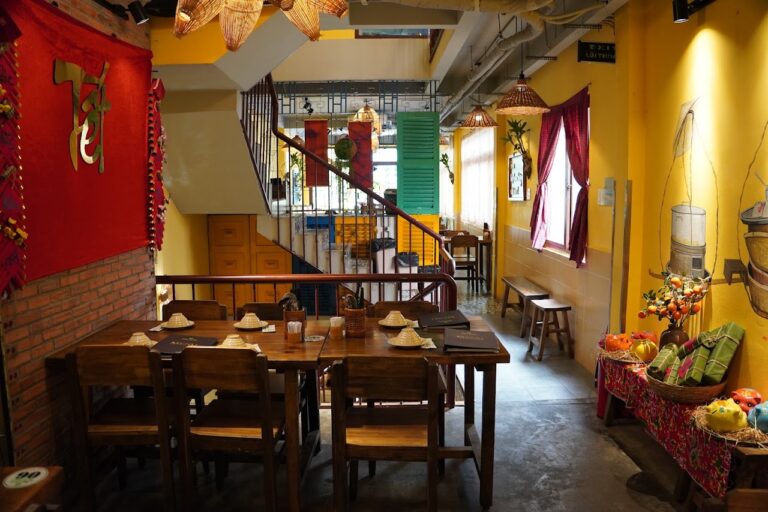
What to Expect: These aren’t fancy restaurants. You’ll sit on plastic stools at plastic tables while the vendor cooks over a charcoal or gas stove. Eat immediately—the bánh xèo is best piping hot. Dipping sauce (usually fish sauce with chili and lime) comes standard, along with lettuce, herbs, and pickled veggies from a shared table. Cleanliness varies, but food safety is solid—these vendors have been at it for years.
Why This Matters for Your Food Bucket List
Bánh xèo is a rarity in today’s global food scene—a dish that stays local. It hasn’t been Instagrammed to death or exported to high-end restaurants abroad. It thrives in Ho Chi Minh City because of the Mekong Delta’s agricultural bounty, cheap turmeric and shrimp, and generations of cooks perfecting their craft.
The flawless 5-star ratings at Bánh Xèo Bình Dân Điểm Hẹn and others aren’t about marketing. They’re about vendors who know bánh xèo isn’t a dish to reinvent—it’s a dish to master. That’s what makes it worth the trip.