Tokyo
Tokyo Bangkok
 Seoul
Seoul Singapore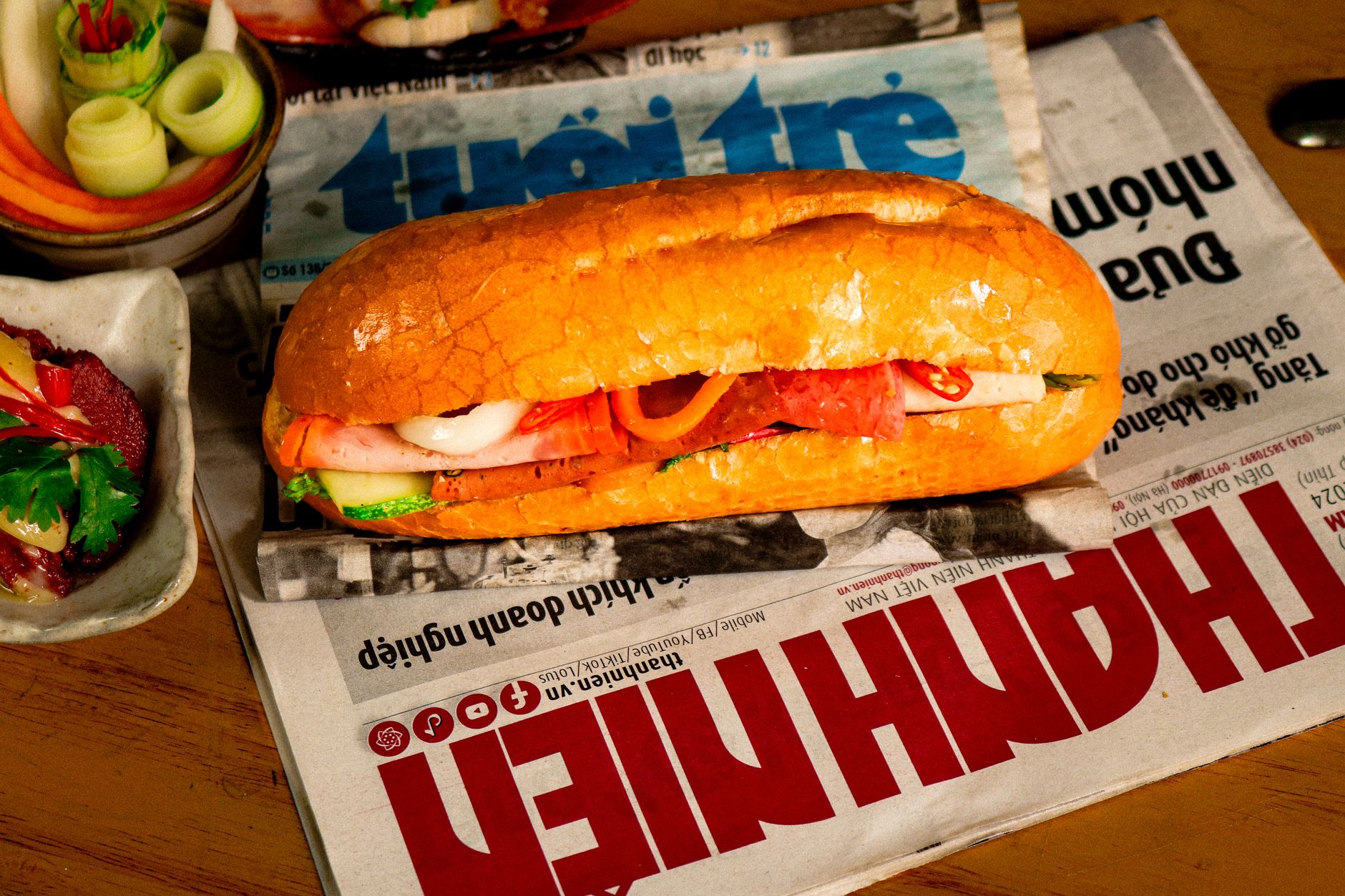
The Best Banh Mi in Hanoi: Where to Find Vietnam’s Perfect Sandwich

Why Hanoi’s Banh Mi Scene Stands Out
Hanoi didn’t create banh mi—that honor goes to French colonial influence meeting Vietnamese creativity. But this city mastered it. While Ho Chi Minh City grabs tourist attention, Hanoi’s banh mi spots have quietly honed their craft for generations in the Old Quarter’s tight alleys. Some shops haven’t moved an inch in 30 years. What separates decent banh mi from extraordinary? Bread quality, pickle aging, pâté depth—tiny details that turn street food into a destination-worthy meal.
Hanoi’s 5 Best Banh Mi Stops
- Xoi Banh Mi Kim Huong (28 P. Báo Khánh) — The numbers don’t lie: 960 reviews, all 5 stars. That’s not luck—it’s relentless consistency. Near Hoan Kiem Lake, this Hoàn Kiếm shop nails the basics: crusty baguette, homemade pâté, tangy pickles with crunch. Opens at dawn, often sold out by 10 AM.
- Hanoi Bami & Coffee (20 P. Chân Cầm) — 4.9 stars from 859 reviews. More than just sandwiches, this Red River-adjacent spot blends banh mi culture with coffee breaks. Their lighter pâté touch lets fresh veggies and bread take center stage.
- Bonbagu Vegan Baguette (9 P. Hàng Phèn) — 420 reviews, all 5 stars. A vegan banh mi that doesn’t apologize. Tofu pâté and house pickles that get better overnight. Even carnivores queue here.
- Mámì Bread Lab (40 P. Bát Đàn) — 995 reviews at 4.8 stars. These folks treat banh mi like science. Daily-baked bread, curated ingredients. Prepare to wait at lunchtime.
- The Banh Mi Station (14 Ng. Trạm) — 4.8 stars across 613 reviews. Old Quarter perfectionists who won’t cut corners, even with a line out the door. Their bread game is unmatched.
Hanoi’s Banh Mi Signature Style
Northern banh mi plays it cooler than southern versions—less mayo, more focus on bread texture and veggie freshness. Hanoi’s pâté leans richer, less sugary than Ho Chi Minh City’s. Bakers obsess over crust: shatteringly crisp outside, pillowy inside that holds up to fillings.
Old Quarter shops turn tight spaces into advantages. Banh Mi 28th/9 (4.9 stars, 564 reviews) pumps out 200 sandwiches daily from a closet-sized kitchen. Repetition breeds mastery.
Seasonality shows here. Winter pickles taste brighter than summer batches. Pâté changes with the seasons. Veteran vendors adjust without missing a beat.
Smart Banh Mi Eating in Hanoi
Go early. Top spots like Xoi Banh Mi Kim Huong run out by late morning. 8:30 AM guarantees full options. Many close by mid-afternoon.
Bring cash. Most vendors don’t take cards. ATMs dot Hoan Kiem and the Old Quarter.
Point, don’t explain. Customize your order by gesturing—extra pâté, light mayo, no cilantro. Fast-moving counters need clear requests.
Stand and eat. Seating’s rare at the best places. You’ll lean against counters or sidewalk walls. That’s half the fun.
Prices stay shockingly low. Even elite banh mi costs 25,000-40,000 VND ($1-1.60). Quality doesn’t mean expensive here.
Why Banh Mi Deserves Your Attention
Banh mi pulls off a neat trick—it’s both everyday food and culinary art. Cheap yet worth traveling miles for. Hanoi’s top-rated shops prove greatness doesn’t need white tablecloths or high prices.
Eating at Xoi Banh Mi Kim Huong or Bonbagu isn’t checking a tourist box. It’s joining a daily rhythm perfected over decades, one sandwich at a time. That’s Hanoi’s banh mi magic: earned through repetition, not hype.