Tokyo
Tokyo Bangkok
 Seoul
Seoul Singapore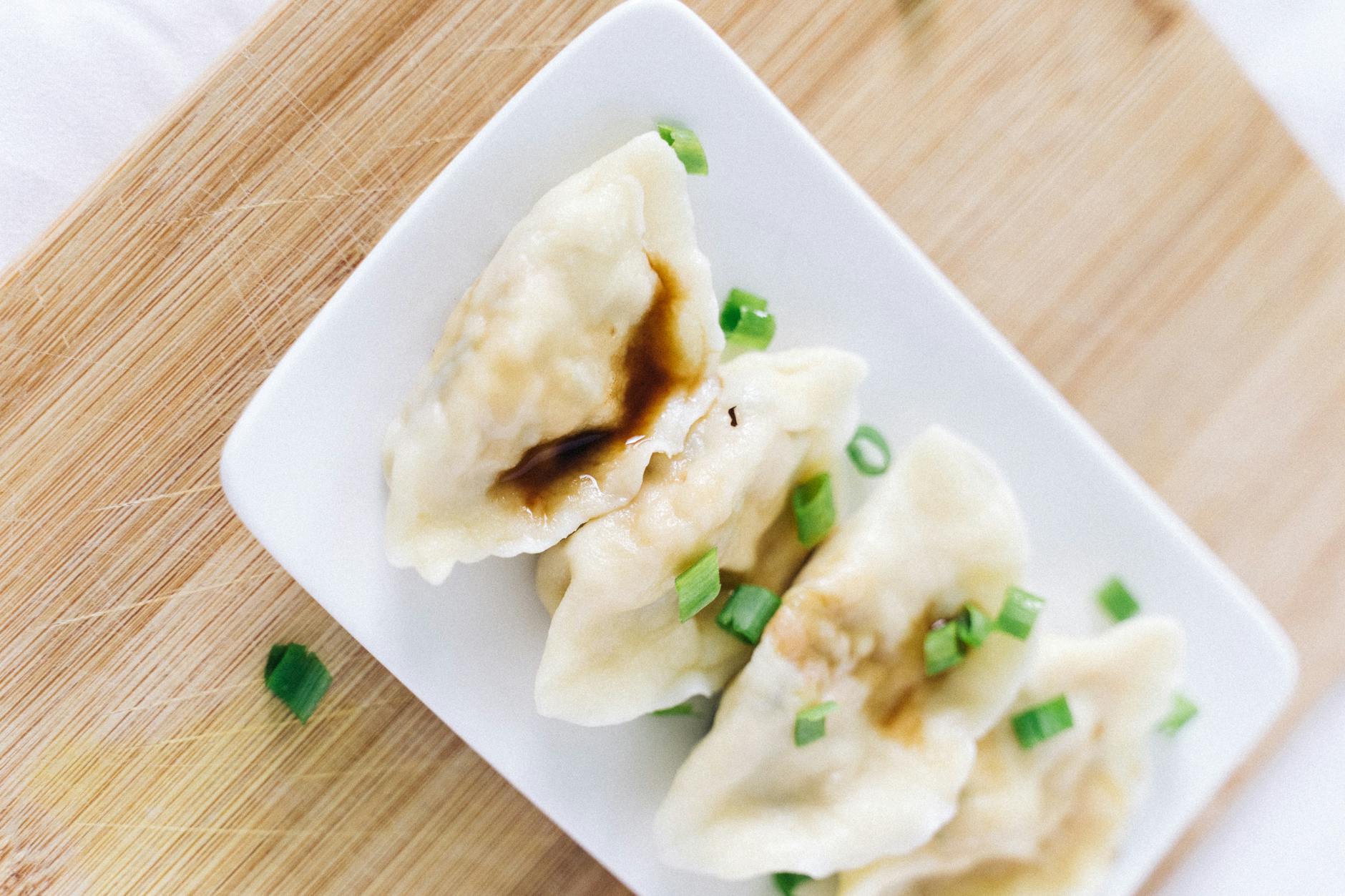
Gyoza vs Jiaozi: The Complete Dumpling Guide
Gyoza Dumpling Guide: Pan-Fried, Steamed, and Crispy Styles Explained
Dumplings have taken over the world for good reason—they’re tasty, perfect for sharing, and adapt to endless variations. Here’s something most people miss: that simple gyoza on your izakaya plate has a backstory. It’s a delicious mashup of Japanese and Chinese food traditions, each putting its own spin on the concept. Whether you’re a dumpling fanatic or just trying them for the first time, knowing how gyoza differs from Chinese jiaozi will totally change how you order—and make—them.
Gyoza vs Jiaozi: Understanding the Dumpling Divide
First things first: gyoza aren’t originally Japanese. They came from China around the mid-1900s, probably brought back by soldiers returning from Manchuria after WWII. But Japan made them its own. The difference? Technique and attitude.
Chinese jiaozi usually get steamed or boiled. They’ve got thicker, chewier wrappers and generous fillings that focus on what’s inside. Japanese gyoza go lighter—thinner skins, less stuffing, and that killer crispy bottom from pan-frying (called yaki). The payoff? A perfect combo of crunch and tender pleats in every bite.
Size tells the story too. Gyoza run smaller and more precise than jiaozi, matching Japan’s love for balance. A typical gyoza is about thumb-sized, while jiaozi can be nearly twice as big.
The Three Essential Gyoza Cooking Techniques
Pan-Fried (Yaki Gyoza)
This is the classic version you see everywhere. Here’s how it works: heat oil, arrange gyoza flat-side down, fry until golden (2-3 minutes), add water, cover, and steam for 4-5 minutes. The result? Crispy bottoms with soft tops. Key move: don’t touch them while they’re browning. A good non-stick or carbon steel pan helps.
Steamed (Mushi Gyoza)
Steamed gyoza take it easy—no frying, just gentle heat. They stay extra moist, letting fillings like pork-chive or shrimp-ginger really stand out. The wrappers turn soft and slightly wrinkled after 8-10 minutes in the steamer.
Crispy (Karaage Gyoza)
These are the show-offs: fully deep-fried until golden and crunchy. Not as common in Japan, but gaining fans at trendy spots. The filling has to be top-notch—no hiding behind texture here.
Fillings That Define Authenticity
Traditional Japanese gyoza keep it simple: pork, napa cabbage, garlic, ginger, and a dash of soy. Less stuffing than jiaozi means the wrapper gets its moment. Chinese versions often pack more inside—maybe shrimp, bamboo shoots, or water chestnuts for extra crunch.
Home cook tip: keep filling cold, squeeze cabbage dry, and don’t overstuff. Gyoza should look neat, not bursting.
Dipping Sauces: The Flavor Finale
In Japan, gyoza usually come with a basic trio: soy sauce, rice vinegar, and a hint of chili or sesame oil. It’s all about balance.
Chinese dipping sauces go bolder—more vinegar, more heat. Feel free to experiment at home. Start with soy sauce, then add black vinegar, ginger, or Sichuan peppercorns if you’re feeling adventurous.
Mastering Gyoza at Home
The good news? Gyoza are approachable. Store-bought wrappers make it easy. Focus on good filling ingredients and getting the fold right—aim for 5-6 pleats on one side. Your first few might look rough, but you’ll improve fast.
Whether you’re into that crispy pan-fried magic or prefer the simplicity of steamed, gyoza belong in your kitchen. They’re fun to make, seriously tasty, and that first bite—hot, crispy, dunked in sauce—is hard to beat.