Tokyo
Tokyo Bangkok
 Seoul
Seoul Singapore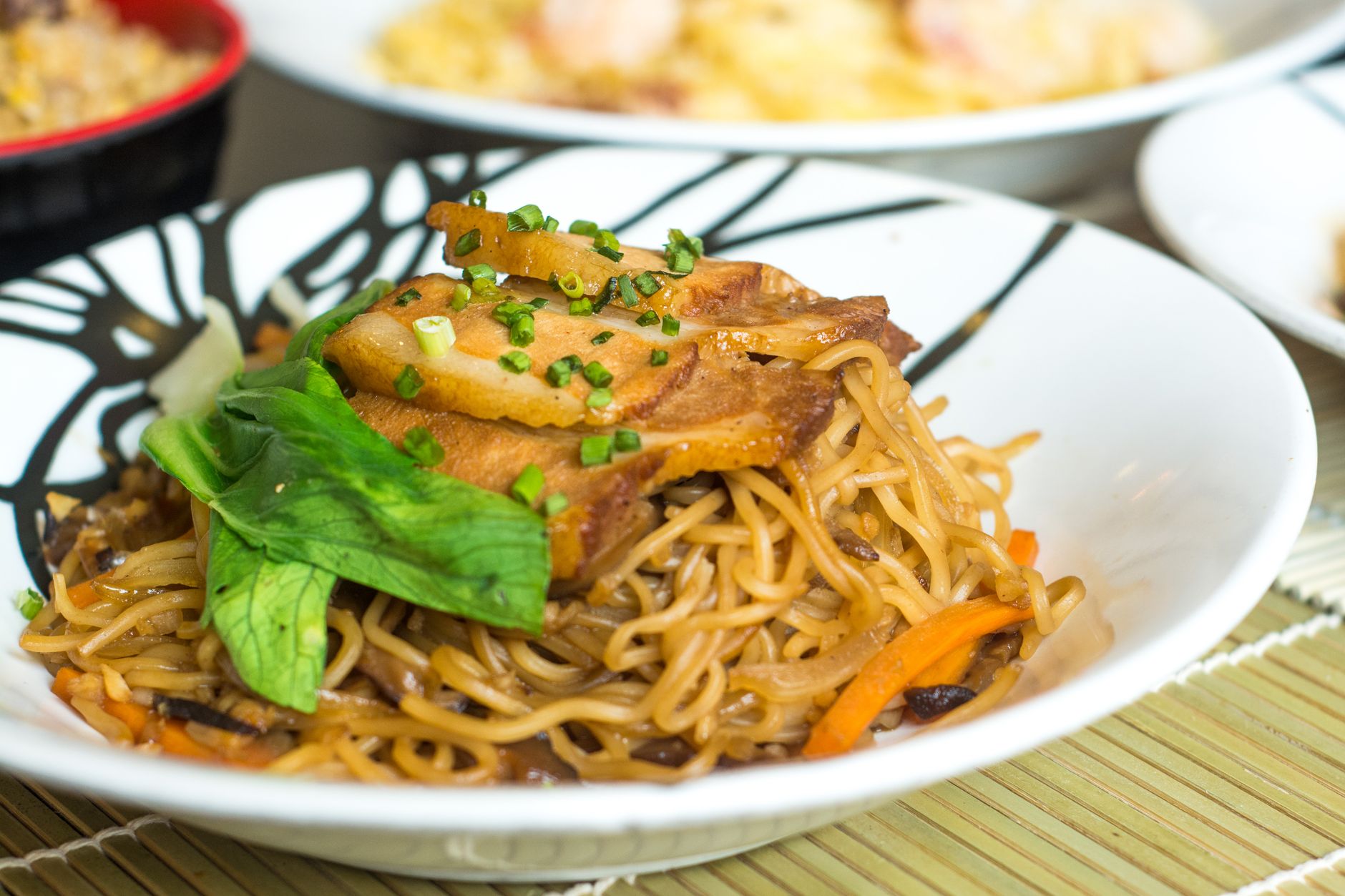
Abura Soba: Japan’s Oil-Dressed Noodle Dish Explained
Abura soba didn’t exist in Japan until the 1980s—which shocks people who assume it’s centuries old. This oil-coated noodle dish started in Tokyo as a clever workaround: how to make ramen satisfying without spending hours on broth. What began as a quick fix turned into a cult favorite, inspiring specialty shops and regional twists across the country.
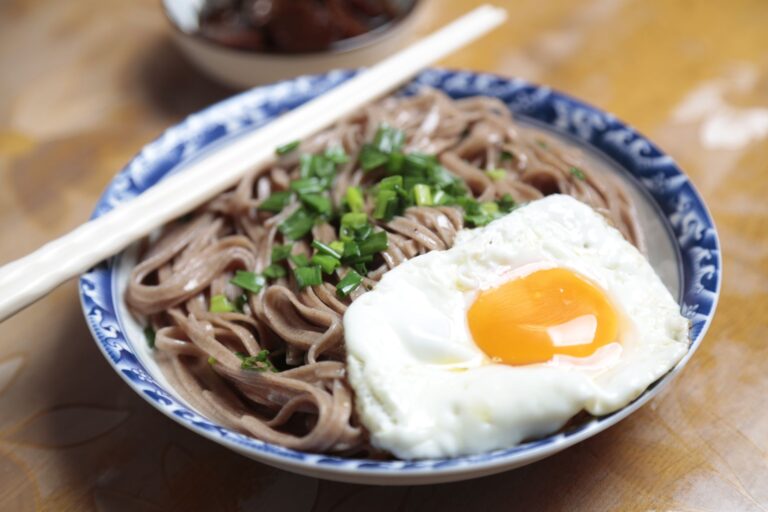
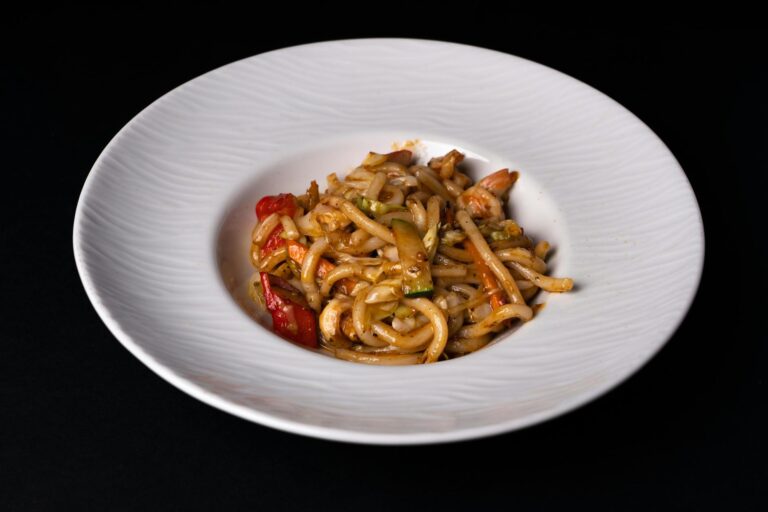
The name says it all. “Abura” means oil, “soba” means noodles (though confusingly, they’re ramen noodles, not buckwheat). You get a bowl of springy noodles slicked with fragrant oil—often sesame, garlic-infused, or chili—topped with basics like green onions, sesame seeds, and maybe an egg. Mix it up before eating. Simple, but ridiculously good.
Why Tokyo’s Working Class Invented This Genius Shortcut
Abura soba came from Tokyo’s blue-collar districts. Construction crews and office workers needed fast, cheap lunches. Traditional ramen took too long to make. The solution? Skip the broth entirely. Boil noodles, toss them with good oil, add toppings, done. Cheaper than ramen but just as filling, thanks to umami-packed oils and chewy noodles against crunchy bits.
By the 90s, abura soba had moved from lunch counters to proper restaurants. Places like Ramen Yokocho put their own spin on it—some adding dried seafood powder, others frying garlic chips into the oil. The beauty of abura soba? No broth master required. Just decent ingredients and technique. That accessibility helped it spread from Tokyo to cities nationwide.
Regional Variations Show How Creative Cooks Got Inventive
Tokyo started it, but other regions ran with it. Fukuoka’s version uses tonkotsu seasoning for richer flavor. Osaka sometimes adds takoyaki toppings or a side broth, blurring the line between abura soba and tsukemen.
Kyoto keeps it light with sesame oil and ginger. Some Tokyo spots now do a spicy version with chili oil and Sichuan peppercorns. The best ones share one rule: respect the noodles. With no broth to hide flaws, everything counts—oil quality, noodle texture, balanced toppings.
Where to Find Authentic Abura Soba Today
Tokyo still does it best. Ramen Yokocho in Yurakucho has solid options, as does Shibuya’s Ramen Alley. For something fancier, try Abura Soba Butao in Shinjuku—they nail the oil-to-noodle ratio. Fukuoka’s Ramen Stadium offers regional takes if you’re down south.
Abura soba’s popping up overseas too. London’s Bone Daddies does a decent version. Sydney’s Goro Ramen tweaks it with local ingredients. Even New York’s Ippudo added it to their menu. The dish travels well—easier to pull off than broth-heavy ramen since you’re not hunting for obscure ingredients.
When you try abura soba, treat it like poke or ceviche: freshness makes or breaks it. The best bowls keep it minimal—just great noodles and killer oil. Proof that the smartest food ideas solve real problems with simple, delicious solutions.