Tokyo
Tokyo Bangkok
 Seoul
Seoul Singapore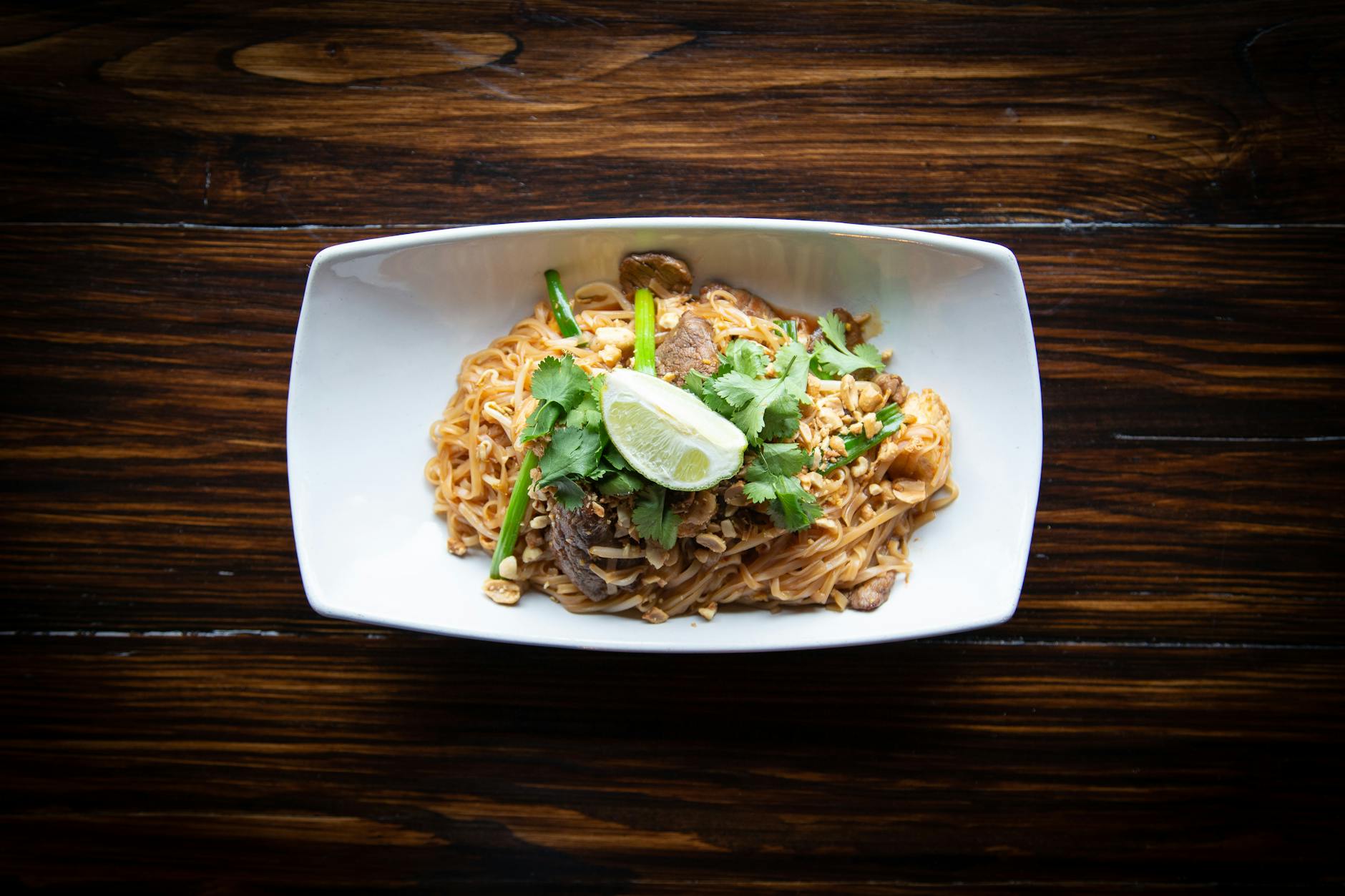
Pad Thai Recipe: Bangkok Street Vendor Secrets
Pad thai isn’t just Thailand’s signature dish—it’s a global obsession that somehow falls flat in Western restaurants but shines at Bangkok street stalls for pocket change. The secret? It’s not magic. It’s three key ingredients and a wok technique most home cooks miss.
The Story in Your Noodles
Why does pad thai matter? It wasn’t always Thailand’s national dish. The government pushed it in the 1930s to unify the country’s identity. But its roots go deeper—a mix of Chinese wok skills and Southeast Asian flavors centuries in the making.
Funny thing: Pad thai went global after the Vietnam War, when U.S. soldiers brought cravings home. Now it’s the face of Thai cuisine worldwide. Getting it right isn’t just about taste—it’s about honoring the culture behind it.
Three Ingredients You Can’t Skip
Most home recipes fail here. Swapping tamarind for lime, fish sauce for soy, or palm sugar for brown sugar? That’s how you end up with bland noodles.
Tamarind paste is the sour soul of the dish. Lime juice can’t compete. Look for concentrate at Asian markets—1.5 tablespoons per serving, dissolved in warm water.
Fish sauce smells funky. That’s good. It packs an umami punch soy sauce can’t touch. Use 2-3 tablespoons. Splurge on brands like Three Crabs or Red Boat.
Palm sugar adds caramel depth brown sugar lacks. About 1.5 tablespoons per serving. Equal parts tamarind, fish sauce, and palm sugar create the perfect sweet-sour-savory balance.
Wok Like a Street Vendor
Bangkok cooks don’t batch-make pad thai. They fire up one portion at a time in scorching-hot woks. Your stove won’t match that heat, but you can come close.
Use a carbon steel wok—not nonstick. Get it smoking hot. Add oil, then protein (shrimp, chicken, or tofu). It should sizzle violently. Thirty seconds max.
Toss in pre-soaked rice noodles (1 cup per serving, al dente). Keep everything moving for 90 seconds. Push aside, crack an egg, scramble fast, then mix it in. Overcooked eggs turn to rubber.
Dump in your sauce. Toss another minute until the noodles soak it up and char slightly. Bean sprouts and scallions go in last—just 20 seconds to keep them crisp.
Serving It Right
Real pad thai comes with lime wedges, crushed peanuts, chili flakes, and extra fish sauce. This isn’t decoration—it’s DIY flavor tuning.
The whole cook should take under five minutes. If it’s dragging, turn up the heat. Your kitchen will reek of fish sauce. That means you’re winning.
Great pad thai at home isn’t about fancy tricks. It’s about nailing the basics—good ingredients, high heat, and no fear. Skip the plane ticket to Bangkok. Master this, and your wok does the traveling for you.