Tokyo
Tokyo Bangkok
 Seoul
Seoul Singapore
Soto Ayam: Why Indonesia’s Chicken Soup Outclasses Every Rival
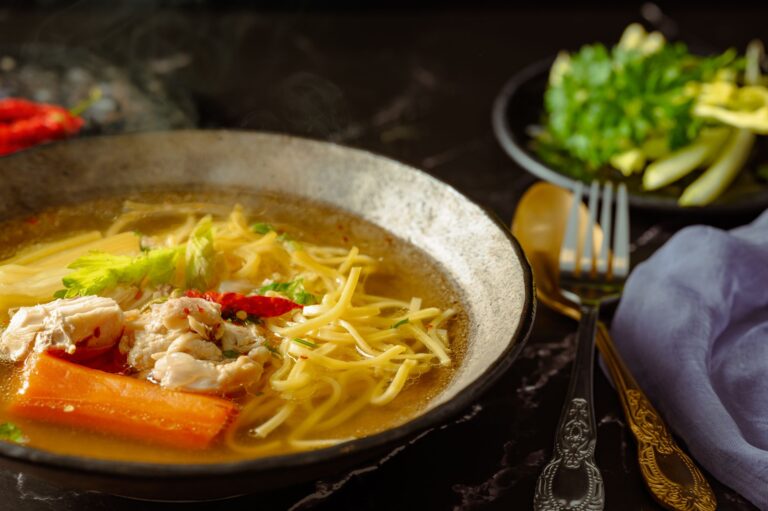
Soto ayam isn’t just chicken soup—it’s Indonesia’s way of proving simple ingredients can create magic. While Western soups play backup, this golden broth takes center stage. Every element works hard: turmeric for color, galangal for bite, candlenuts for texture, chicken fat for richness.
The Spice Architecture That Makes Soto Ayam Work
Great soto ayam doesn’t rely on turmeric alone. Galangal adds peppery warmth that keeps the broth interesting. Candlenuts (kemiri), ground with garlic and chilies, create a paste that coats your tongue. Jakarta street vendors punch it up with coriander and white pepper, while Yogyakarta versions go lighter, more refined. Use bone-in chicken—those long simmered bones make broth with actual body. Lemongrass and bay leaves whisper in the background. The real star? That fried spice paste. How you grind it, how long you cook it, whether you add coconut milk (don’t, unless you’re breaking tradition)—these choices make or break the soup.
When Geography Changes Everything: Soto Ayam From Java to Sumatra
Call it soto ayam across Indonesia and you’ll get completely different bowls. Surabaya’s version keeps it clean and chicken-forward—minimal spice, maximum clarity. Yogyakarta throws in fresh turmeric root for deeper earthiness. Head to Sumatra and things get bolder: more chilies, sometimes coconut milk, edging toward what locals call soto kuning. Bandung? They’ll toss in potatoes and bean sprouts like they belong there. Arguments over which version reigns supreme get heated—this isn’t just soup, it’s regional pride served in a bowl.
Building Soto Ayam at Home: The Non-Negotiables
Half-assed soto ayam tastes like disappointment. Start with whole chicken or bone-in pieces—that collagen transforms broth from watery to velvety. Toast your spices first (turmeric, coriander, white pepper), then grind them with fresh aromatics into a paste. Fry it hard until your kitchen smells incredible, about three minutes. Add chicken, water, and simmer for at least 45 minutes. The broth should taste like chicken first, spices second. Strain if you like it clear; leave it rustic if you don’t. Serve with rice, boiled eggs, fried shallots, and lime—that squeeze of acidity cuts through everything. London’s Archipelago, Sydney’s Boemboe, New York’s Bali Nusa Dua all do decent versions. But the real deal? That comes from an Indonesian grandma who’s been making it for 50 years without measuring anything.