Tokyo
Tokyo Bangkok
 Seoul
Seoul Singapore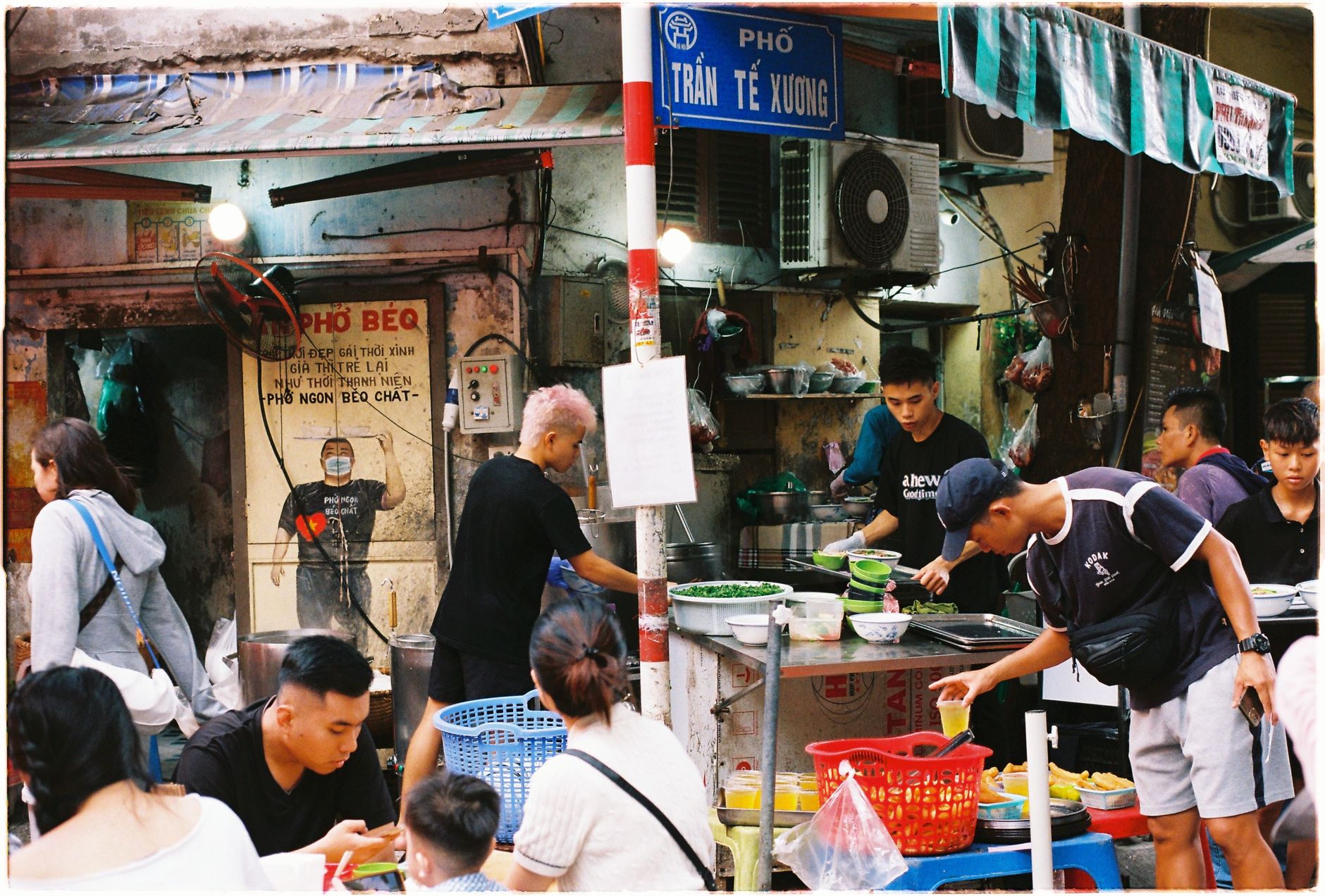
Bun Cha Hanoi: Obama’s Plastic Stool Made This Dish Famous

Bun Cha Hanoi: Vietnam’s Grilled Pork Noodle Dish That Won the World
In May 2016, something unexpected happened at a tiny Hanoi street stall. Barack Obama and Anthony Bourdain squeezed onto plastic stools for an episode of Parts Unknown. The meal they shared—bun cha Hanoi—instantly became famous. But locals already knew what the world was about to discover: this unassuming dish is pure magic.
Overnight, bun cha went from neighborhood staple to global sensation. Now it’s the first thing travelers eat in Hanoi, and you’ll spot it everywhere from Sydney to New York. More than just a viral moment, it captures everything great about Vietnamese food—simple ingredients transformed into something extraordinary.
What’s in Bun Cha Hanoi?
At its core, bun cha is about contrasts. Smoky grilled pork meets cool noodles. Sweet, tangy broth balances rich meat. Here’s how it breaks down:
First, the pork. Vendors use two cuts—juicy patties made from seasoned ground pork and caramelized strips of belly, both cooked over charcoal until the edges crisp. Then comes a tangle of thin rice noodles and a forest of fresh herbs: mint, cilantro, perilla. The secret weapon? Nước chấm, that addictive fish sauce broth with lime and chili that ties everything together.
No fancy plating. You mix it yourself at the table, adjusting flavors as you go.
Why This Dish Matters
Bun cha isn’t new. Hanoi’s street vendors have been serving it for at least a century, maybe longer. Some say it appeared during French colonial times, born from the need for cheap, filling meals. The charcoal grilling isn’t just tradition—it’s practical. Fewer dishes to wash, no fancy equipment needed.
What makes Hanoi’s version special? The details. Specific pork breeds. Long marinades with lemongrass and garlic. That irreplaceable charcoal smoke. But really, it’s about the ritual. Lunchtime crowds pack onto tiny stools, elbows brushing as they eat. Obama’s visit just showed the world what Hanoians have always known: great food brings people together.
Finding the Real Deal
Yes, you can now find bun cha abroad. But Hanoi’s street stalls are still the gold standard. Head to the Old Quarter—look for places like Bun Cha Hang Manh, slinging portions since 1959. No signs? Good. Just follow the scent of sizzling pork and the clusters of locals hunched over bowls.
Expect to pay about the price of a coffee. Your meal comes with crunchy pickled greens and usually a glass of iced tea. Overseas, seek out Vietnamese-run spots with short menus. Fancy fusion versions exist, but purists say the plastic stool experience can’t be replicated.
Eat It Right
Here’s how locals do it: Grab some noodles with chopsticks, dip them in the broth with herbs, and lift the bundle to your mouth with a spoon. No delicate nibbling—this is street food, meant to be eaten with gusto. Pile herbs high. Squeeze lime liberally. Add chilies until your nose runs. The best bowls disappear fast, before the noodles soften or the broth cools.
That’s the beauty of bun cha. No pretensions. Just incredible flavors served where they belong: on the sidewalk.
More Than a Photo Op
Obama’s visit didn’t make bun cha great. It was already perfect. The global spotlight just reminded us that real food culture lives in places without white tablecloths—where smoke rises from charcoal grills, and generations share recipes instead of Instagram posts.
One bite explains why this dish traveled so far. It’s Hanoi in a bowl: vibrant, uncomplicated, utterly delicious.