Tokyo
Tokyo Bangkok
 Seoul
Seoul Singapore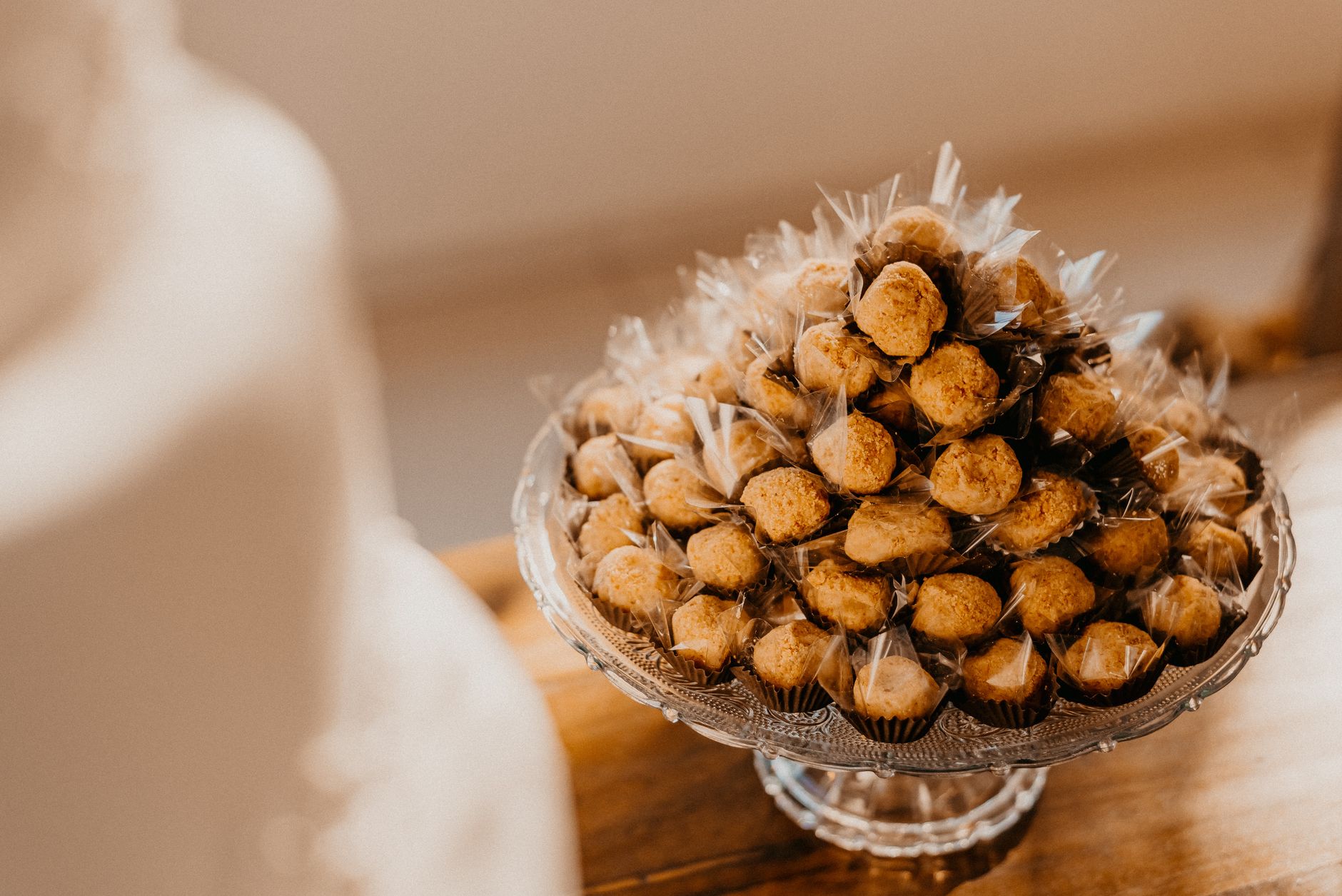
Asia’s 10 Sweetest Desserts Ranked by Sugar Content
Think all Asian desserts are subtle and refined? Think again. Hit up a Bangkok night market or a Shanghai sweets shop, and you’ll find treats that give American candy bars a run for their money in the sugar department. But here’s the thing—they pull it off. It’s not about dumping more sugar in; it’s how they balance it with coconut, salt, and texture in ways most Western desserts never attempt.
We scoured regional specialties to rank ten Asian desserts by actual sweetness. Spoiler: that sticky rice dish you’re thinking of? It doesn’t even make the top three.
The Sugar Rush Tier: No Holds Barred
Vietnamese bánh cam takes the crown—sesame balls packed with mung bean paste so sugary it practically crackles. Each two-inch orb packs about 15 grams of sugar. Not far behind: Beijing’s Daoxiang Village mooncakes, especially the lotus seed versions, where sugar makes up 40% of the weight. Then there’s India’s gulab jamun—fried dough balls drowning in syrup so intense, the sweetness lingers long after the first bite.
What saves these from being too much? Clever tricks. Gulab jamun’s syrup gets depth from rose water and cardamom. Bánh cam counters its sweet core with toasty sesame crunch. These aren’t casual treats—they’re grand finales meant to be savored.
The Goldilocks Zone: Just Right
Thailand’s famous mango sticky rice lands here, not at the top. Sure, the coconut milk is sweet, but tart mango and mild rice keep it in check. A typical Bangkok street vendor portion has about 25 grams of added sugar—same as a slice of basic American cake.
Japanese mochi plays a similar game. The outer layer stays barely sweet, while fillings run the gamut. Kyoto’s red bean mochi leans earthy, not sugary. Tokyo’s mango versions are sweeter, but the icy chew changes everything—you’re not gulping syrup, you’re working through it.
Korean bingsu walks a tightrope. At Seoul’s Tosokchon, they nail it—just enough condensed milk and fruit syrup over shaved ice to refresh, not overwhelm. The melting ice helps, too.
The Plot Twists: Looks Sweet, Isn’t
Filipino ube halaya and Indonesian martabak will fool you. That vibrant purple ube and martabak’s chocolate drizzle scream sugar rush, but Manila’s best versions keep the sweetness surprisingly muted. Ube’s earthy notes shine through; martabak’s crisp layers outplay its filling.
Hong Kong egg tarts? The custard’s sweet, but the buttery crust does most of the talking. Malaysian cendol tricks you too—coconut milk makes it seem sweeter than the palm sugar actually is.
Here’s the takeaway: Asian desserts don’t just add sugar—they engineer it. They pair it with crunch, chill, or savoriness so it lands exactly right. Want something light? Hit up that mango sticky rice. Need a sugar high? Track down bánh cam. Both are perfect—just in completely different ways.