Tokyo
Tokyo Bangkok
 Seoul
Seoul Singapore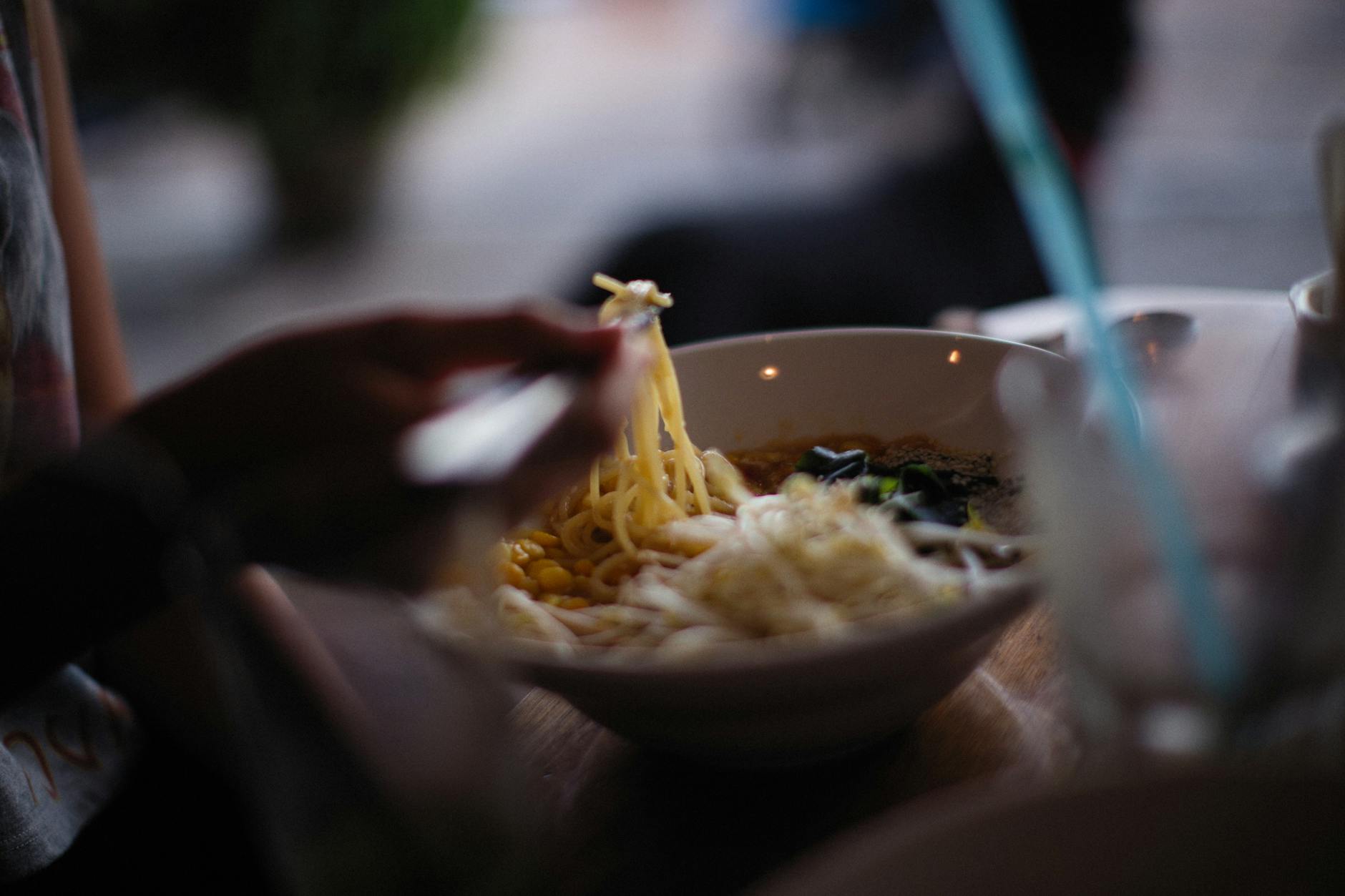
Khao Soi: Thailand’s Most Practical Noodle Curry
In Chiang Mai, khao soi isn’t some exotic delicacy—it’s lunch. For 40 baht, the cart outside your office serves it up like clockwork. That’s how most Thais know this dish: not as a tourist attraction, but as the no-nonsense answer to hunger. Forget fancy origin stories. This is how Thai food really works.
Why Northern Thailand Needed This Dish
Geography built khao soi, not romance. Chiang Mai sits where Thailand, Laos, Myanmar, and China meet. Burmese traders brought noodles and curry techniques. Locals tweaked them with what they had. No fusion, just logic: you needed food that could simmer all morning, serve fast, and taste good hot or lukewarm. Walk any Chiang Mai market at noon. The line isn’t tourists—it’s electricians, teachers, shopkeepers. Khao soi stuck because it gets the job done.
The Ingredients That Make It Work
Khao soi’s power is in its limits. The curry paste? Just chilies, turmeric, garlic, shallots, galangal—fried until nearly burnt. That edge matters. Coconut milk and stock soften it, simmered with chicken or beef. Egg noodles, fresh or crispy, do the rest. No lemongrass. No kaffir lime leaves. Just depth from the paste, sweetness from coconut milk, a hit of fish sauce. Toppings—crunchy noodles, pickled greens, shallots—give bite. The best versions taste ancient because they are. Vendors don’t innovate. They refine.
What Khao Soi Reveals About Thai Cooking
Thai food isn’t just about fireworks. Khao soi proves balance beats chaos. Warm, filling, subtly spicy—done in five minutes. It respects your hunger without fuss. Notice how you eat it: curry-soaked noodles, crispy noodles aside, condiments to tweak. You adjust heat, acid, crunch. That’s Thai eating in a nutshell. The cook lays the groundwork; you finish it. Khao soi lays this bare because it’s simple enough to see the system.
Find a northern Thai-run spot in London, Melbourne, or New York? Order the khao soi. Skip the backstory. Eat it fast, tweak as you go. That’s the point.