Tokyo
Tokyo Bangkok
 Seoul
Seoul Singapore
Make Restaurant-Quality Ramen Broth at Home
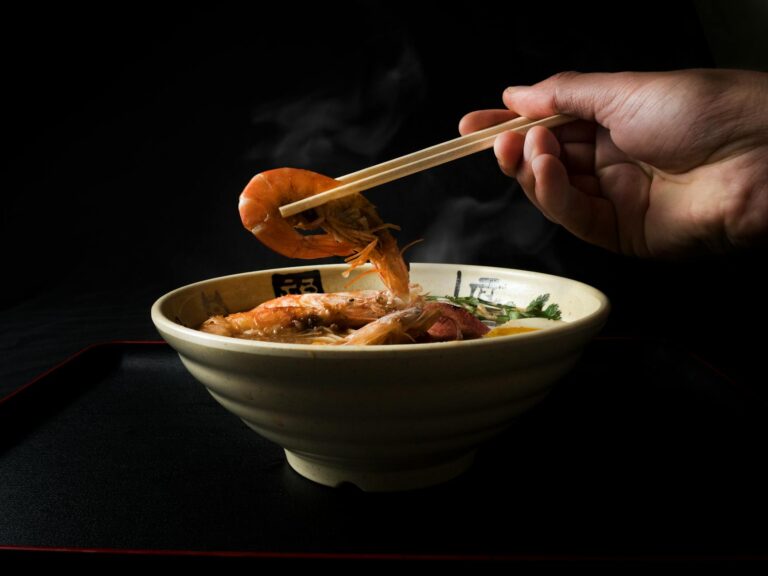
That first whiff of real tonkotsu broth hits different. Picture this: 5 a.m. in a Fukuoka back alley, steam rising from a ramen stall’s cauldron. Fourteen hours of pork bones bubbling away—no shortcuts, just time transforming scraps into liquid gold. That smell? It’ll ruin instant ramen for you forever.
Too many home cooks think ramen broth requires chef skills. Wrong. You need pork bones, a stove, and one game-changer most recipes ignore: tare. This salty, umami-packed paste is why restaurant broth tastes so much deeper than your sad attempts.
Pork Bones: The Foundation That Actually Matters
Good broth starts with the right bones. Taipei markets sell pig trotters and neck bones specifically for this—trotters for body, neck bones for flavor. Grab both from your butcher. Expect to pay $8-12 per pound.
Blanching is non-negotiable. Five minutes in boiling water, then scrub off the gray gunk. Skip this and your broth will taste muddy. After rinsing, simmer those clean bones in fresh water for 12-18 hours. Not a timid bubble—a steady, insistent boil. Walk away. Sleep. Let time work. When the broth coats a spoon like thin cream, you’re there.
Chicken and the Secondary Broth Layer
Pure pork broth can feel heavy. Bangkok vendors taught me the trick: add chicken. Simmer carcasses with ginger and scallions separately for 6-8 hours, then mix with pork broth. Start with 70% pork to 30% chicken. Adjust to taste—some go 60-40 for a lighter result.
Whole chicken frames work best. Smash the ginger, don’t bother peeling it. Strain both broths through cheesecloth before combining. The chicken layer keeps things interesting without overpowering.
Tare: The Secret Nobody Talks About
Here’s where most home ramen fails. You can’t just dump soy sauce into broth. Tare—that concentrated seasoning paste—belongs in the bowl first. Equal parts soy sauce and mirin, a shot of sake, a splash of fish sauce. Simmer for three minutes. Done.
Some shops add garlic oil or fermented soybean paste. Yokohama joints use inky-black miso tare that’ll knock your socks off. Make yours a day ahead so flavors marry. When serving, a spoonful of tare at the bowl’s bottom transforms bland broth into something magical as you stir.
Stop dreaming about that perfect ramen shop. Your kitchen’s about to smell better than any restaurant. Get bones this weekend. Your future self will thank you.