Tokyo
Tokyo Bangkok
 Seoul
Seoul Singapore
Beyond Pho: Vietnam’s Best Noodle Dishes You Need to Eat

At Dong Ba Market in Hue, the air smells intense before you even see the food—not the usual pho aroma, but something bolder. By 6 a.m., vendors are already pouring deep red broth into bowls, steam curling into the morning light. This is bun bo hue country. One bite explains why many Vietnamese see pho as the bland alternative. The noodles here soak up hours of flavor from lemongrass, shrimp paste, and beef bones. It’s a wake-up call for your taste buds.
Bun Bo Hue: Central Vietnam’s Punchy Noodle Powerhouse
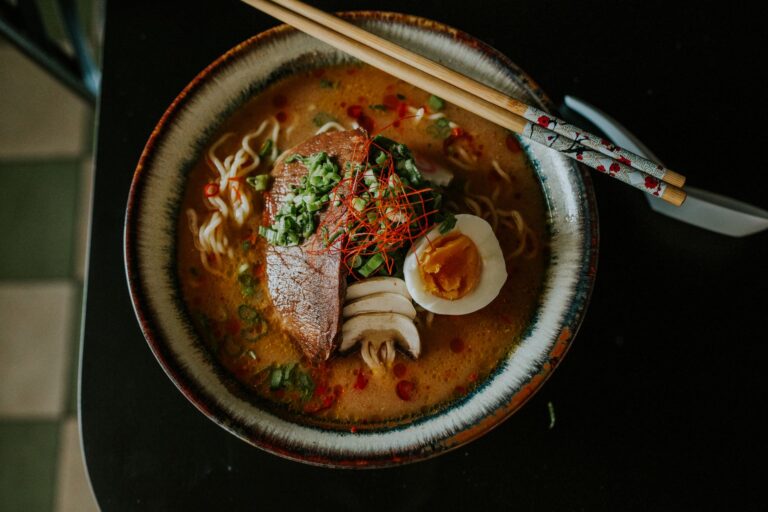
Bun bo hue doesn’t hold back. The broth—a mix of beef bones, pork knuckles, and sometimes blood—gets its rusty hue from annatto seeds and heat from chilies. What sets it apart? Time. Vendors simmer it for half a day minimum, then pile on fresh herbs when you order. You’ll get thick rice noodles topped with beef, pork, maybe blood cake, plus a heap of mint and cilantro. The noodles have bite, not the usual mush. At a stall near the Perfume River, a cook named Linh watched me finish two bowls. “Tourists always ask for pho,” she shrugged. Their loss. This dish doesn’t do polite.
Mi Quang: Quang Nam’s Turmeric Noodles with Crunch
Further south in Hoi An or Da Nang, mi quang breaks all the rules. The noodles are thick, yellow from turmeric, and surprisingly firm. The broth barely covers them—just enough to flavor each strand. Toppings do the heavy lifting: shrimp, pork belly, always crackling, always peanuts. It’s all about texture. Chewy noodles. Crunchy pork. Soft shrimp. In Hoi An, I ate it three days straight. One cook added caramelized fish sauce. Another used crab. The best came from a cart near Central Market, where the owner—35 years in—wouldn’t share her recipe. “Some things stay here,” she said, tapping her temple.
Cao Lau: Hoi An’s Secret Noodle Ritual
Cao lau plays hard to get. Only in Hoi An. Only with noodles some swear need local well water to get that springy chew. The broth is light—pork with star anise—topped with sliced pork, crispy croutons (they call them meo), herbs, sometimes a quail egg. No fireworks like bun bo hue. No party tricks like mi quang. Just quiet confidence. At dawn once, before the crowds, I ate it alone while a cat watched from a stool. Warm noodles. Perfectly salted broth. No fanfare. That’s the point.
Vietnam’s more than pho. Try bun bo hue in Hue. Seek out mi quang and cao lau in Hoi An. The country’s soul isn’t in its most famous dish—it’s in the ones that don’t bother with fame.