Tokyo
Tokyo Bangkok
 Seoul
Seoul Singapore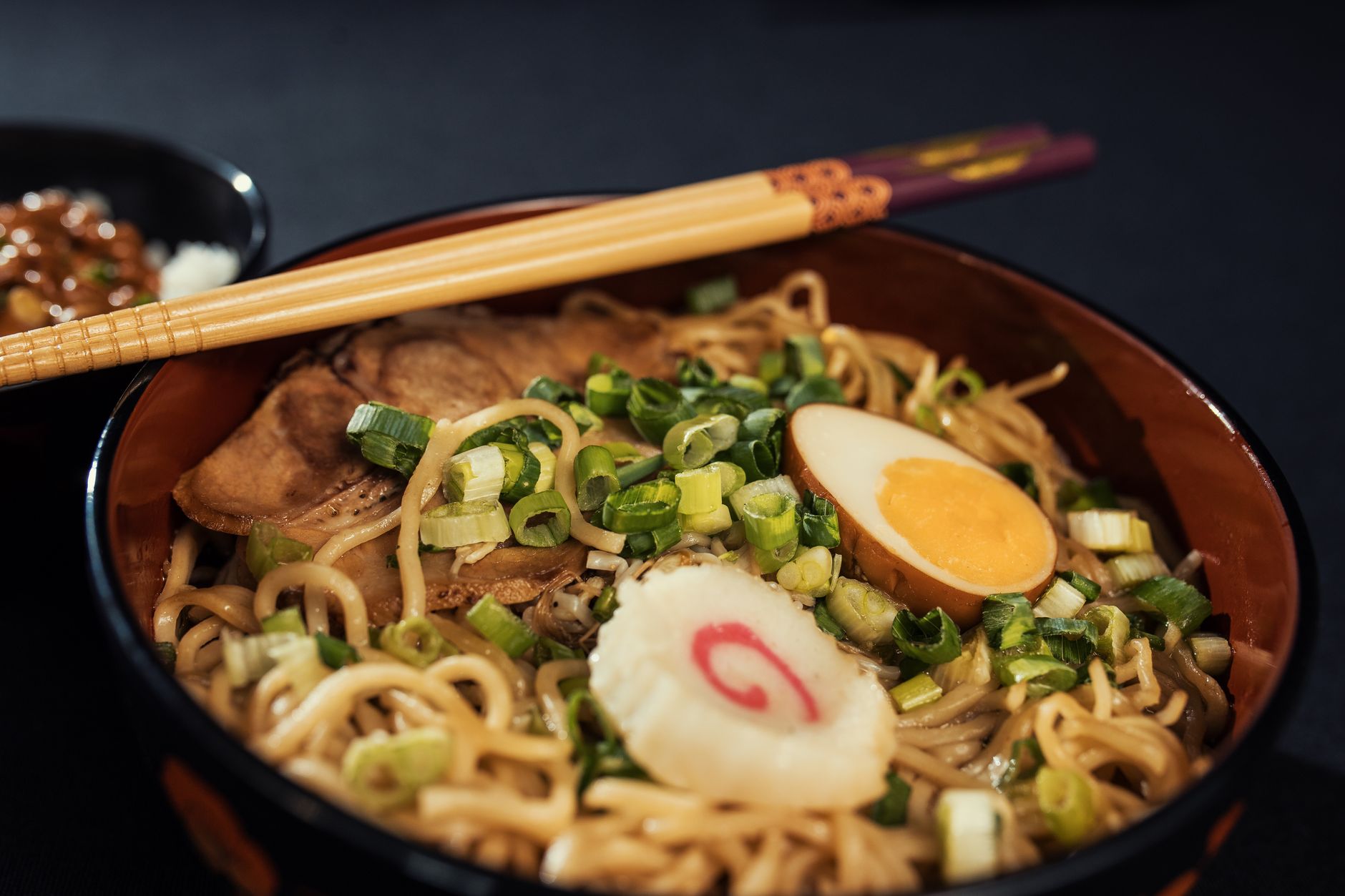
12 Best Ramen Shops in Tokyo: Ichiran, Fuunji & More
The steam hits your face before you even open the door. It’s 11:47 AM in Shinjuku, and the line outside Fuunji already wraps around the corner—not for Instagram clout, but because the chef has spent fifteen years dialing in his tsukemen (dipping ramen). This is where Tokyo’s ramen obsession gets real. If you want to eat like the locals do, start here.
Why These Three Shops Stand Above the Rest
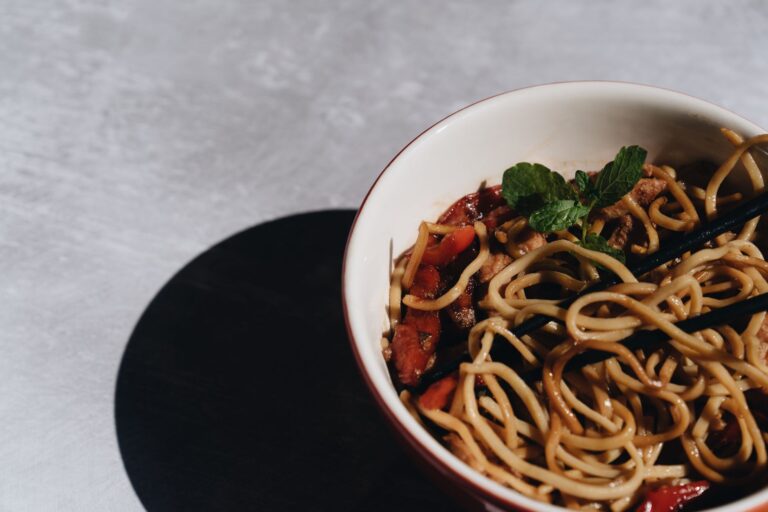
Ichiran, Fuunji, and Nakamura aren’t famous for being pretty. They’re famous for nailing the basics. Ichiran in Harajuku serves tonkotsu (pork bone) broth simmered for 18 hours—the difference hits you in the first spoonful. Noodles with perfect chew. Chashu (braised pork) that falls apart just right. No gimmicks, just great ramen. Fuunji? Tsukemen royalty. Cold, chewy noodles dunked in a broth so concentrated it almost sticks to your ribs. A total game-changer. Nakamura in Ikebukuro keeps it lighter with shoyu (soy sauce) ramen—chicken and pork blended so the umami doesn’t overwhelm. Too much soy and it flattens out; too little and you miss the point.
Beyond the Big Three: Nine More Shops Worth Your Time
Tokyo’s ramen scene is huge, but most shops blur together. Ippudo in Shibuya delivers reliable tonkotsu fast—good for jet-lagged appetites. Ramen Alley in Yurakucho packs eight-seat joints with wildly different styles. Hit Ushio for fish-based broth that won’t weigh you down. Tsujita in Shinjuku does tsukemen with a sesame twist—nutty, almost earthy. Konjiki Hototogisu in Ginza spikes shoyu with burnt garlic oil for depth. Tonki in Shinjuku is cheap, casual, and open late. Ramen Yokocho’s Kasagake serves miso broth rich enough to stand up to Hokkaido winters. Kin no Kura throws corn and butter into miso ramen—pure comfort. Menya Musashi? Dependable. And Ichiran’s Harajuku spot outshines their other branches.
Timing, Ordering, and What Actually Matters
Show up between 11 AM and noon, or after 7 PM. Lunch rush means 45-minute waits for 10-minute meals. Most shops use vending machines—order and pay first, no fuss. Start with the standard bowl. Add the egg. Extra noodles if you’re starving. The magic isn’t in hunting rare bowls—it’s in tasting ramen done right by people who give a damn. One sip of Ichiran’s tonkotsu or Fuunji’s tsukemen explains the lines. These places aren’t photo ops. They’re just better.