Tokyo
Tokyo Bangkok
 Seoul
Seoul Singapore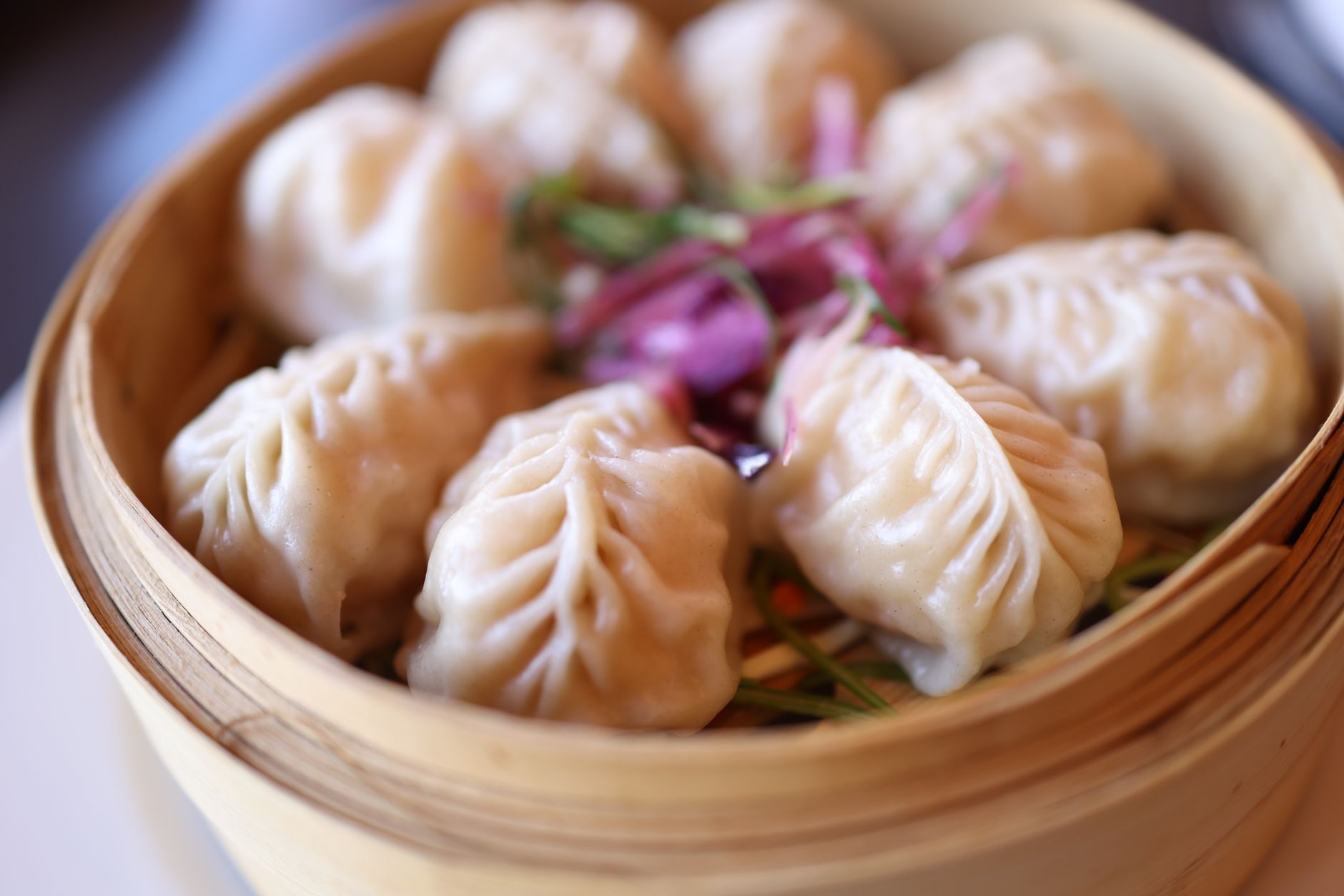
Yum Cha: The Art of Tea and Dim Sum in Cantonese Culture

My friend’s grandmother in Hong Kong taught me more about dim sum with one gesture than I’d learned in years of eating it. She tapped two fingers on the table when the server poured tea—quiet, easy to miss. That’s when I realized I’d been doing it all wrong. Dim sum isn’t about speed. It’s about lingering over tea, talking, letting plates arrive when they’re ready.
Tea Comes First: Why the Beverage Sets the Pace
Walk into any decent dim sum place in Guangzhou and they’ll ask about your tea before food. That’s intentional. Tea isn’t just something to drink—it’s the foundation. Pu-erh (earthy), chrysanthemum (light), oolong (toasty), jasmine (floral) each play specific roles. Pu-erh cuts through fatty pork buns. Chrysanthemum helps digest heavy dishes. I learned this the hard way after pairing jasmine with delicate har gow one too many times. The tea steeps slowly. You refill cups constantly. This is why yum cha belongs to mornings—you need time.
Reading the Carts and Understanding the Etiquette
Carts still rule most dim sum joints, though some places use order sheets now. Here’s the thing: you pick what looks good when it rolls by, not everything at once. Servers mark your table’s card for each dish. At spots like New York’s Jing Fong or Sydney’s Chinatown, watch for that two-finger tap on the table—it’s how regulars say thanks for tea without breaking conversation. Need more tea? Tap the lid. These small acts matter because yum cha’s built on consideration. Shared tables. Passing carts. Start light with shrimp dumplings or rice noodles before diving into egg tarts or chicken feet.
Building Your Own Yum Cha Experience at Home
No carts at home, but you can keep the spirit. Frozen har gow from Asian markets works surprisingly well. Or attempt rice noodle rolls if you’re feeling ambitious. What really matters: good loose-leaf tea and not rushing. Heat water to 200-212°F depending on the type. Keep the pot warm. Invite friends without setting an end time. Put out small plates. Let the meal unfold slowly—that’s the point. Yum cha’s magic isn’t in perfect dumplings. It’s in the space between bites.