Thai Gai Yang Recipe: Street Vendor Technique at Home

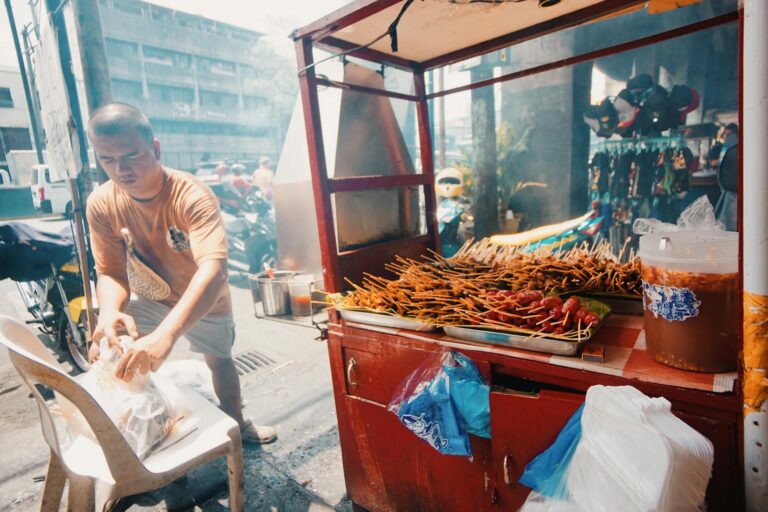
The smell hits you first at Chatuchak Market in Bangkokโ€”charred skin and lemongrass smoke rising from a dozen grills lined up like soldiers. You watch a vendor flip chicken halves with practiced indifference, the meat crackling under intense heat, and you realize this isn’t fancy cooking. It’s better. It’s gai yang, and the reason it tastes so good has nothing to do with mystery and everything to do with balance. That’s what I’m going to teach you, because once you understand how a Bangkok street vendor thinks about salt, acid, sweetness, and heat, you can replicate this at home.

The Marinade: Where the Real Work Happens

Forget complicated recipes with twelve ingredients. The best gai yang marinade I’ve encounteredโ€”from a stall near Hua Lamphong station where I ate lunch four days straightโ€”uses seven things: garlic, cilantro root, white pepper, fish sauce, palm sugar, lime juice, and oil. That’s it. The vendor’s trick wasn’t adding more; it was understanding ratios. She used a 2:1 ratio of fish sauce to lime juice, which meant the salt and acid worked together instead of fighting. Too much lime and the chicken becomes mushy. Too little fish sauce and it tastes flat. The sweet comes from palm sugarโ€”about one tablespoon per half chickenโ€”but it’s not about making the bird taste like dessert. It’s about rounding the corners, making the salt and acid less aggressive on your palate. Pound the garlic and cilantro root together first. This releases oils that carry flavor deeper into the meat. Marinate for at least four hours, preferably overnight. The acid in the lime begins breaking down proteins, which means faster cooking and better browning on your grill.

The Grill: Temperature Control Over Technique

Most home cooks fail at gai yang because they treat it like a steakโ€”high heat, quick sear, done. Street vendors know better. You need two heat zones. Start your chicken skin-side down over medium-high heat for about eight minutes. You’re not trying to char it black; you’re rendering the fat and developing color. The skin should be golden-brown, not charred. Then move the chicken to indirect heat (or lower the temperature) and cook for another twelve to fifteen minutes, turning occasionally. The second stage is where the meat actually cooks through without the outside burning. A vendor in Chiang Mai showed me the real tell: when you press the thigh, it should feel like the fleshy part of your palm below your thumb when your hand is relaxed. Not soft, not rigid. That’s around 165ยฐF internal temperature. Baste with extra marinade during the last few minutesโ€”the residual heat will caramelize it slightly, adding another layer of complexity.

The Sauce: Why Gai Yang Needs a Dipping Partner

Here’s what separates street vendor gai yang from home attempts: the sauce. You can’t just eat the chicken alone. The vendor always serves it with a small bowl of nam jim gaiโ€”a thin, bright sauce made from lime juice, fish sauce, garlic, chilies, and water. This isn’t decoration. It’s the final balance. The sauce is intentionally sour and salty, cutting through the richness of the grilled chicken and reintroducing acid that cooking has mellowed. A good ratio is three parts lime juice to one part fish sauce, with minced Thai chilies and garlic to taste. Some vendors add a pinch of sugar, but I prefer mine withoutโ€”let the chicken’s residual sweetness do that work. The sauce should make you pucker slightly. If it doesn’t, add more lime.

Make gai yang this way and you’ll stop wondering why it tastes better at the market. You’re not missing some secret ingredient. You’re just finally respecting the balance that makes it work.

James Liu
About the Author
James Liu

James Liu covers Chinese and East Asian cuisine for WokFeed. A food anthropologist turned journalist, he specializes in the regional diversity of Chinese cooking โ€” from Sichuan's fiery flavors to Cantonese dim sum culture. Based between Hong Kong and San Francisco.

๐Ÿ“Š Data Sources & Editorial Standards
๐Ÿ“ Google Mapsโœ๏ธ Editorial Research

WokFeed's restaurant guides are compiled from real traveler data, on-the-ground research, and cross-verified across multiple platforms. Our editorial team fact-checks all recommendations before publication.

Similar Posts