Tokyo
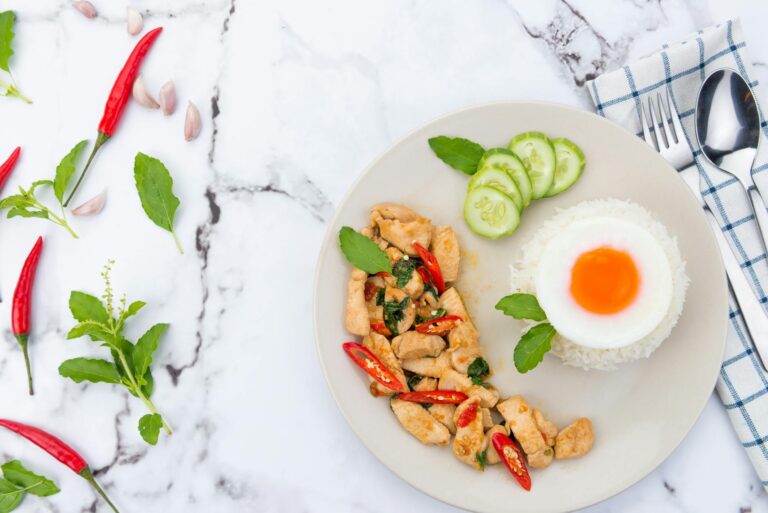
Tokyo Bangkok
 Seoul
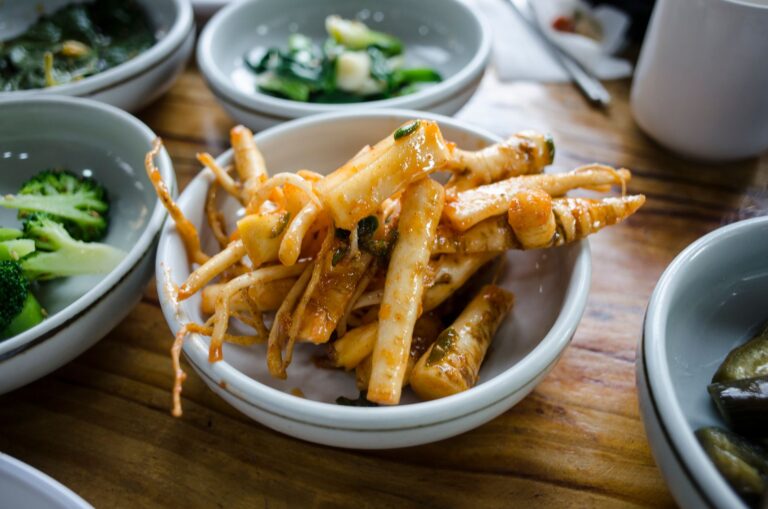
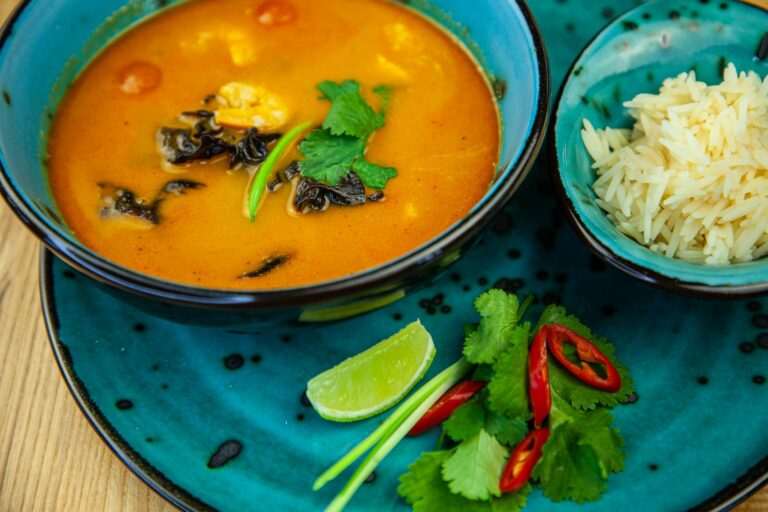
Seoul Singapore
Perfect Chawanmushi Recipe: Authentic Japanese Technique
Chawanmushi didn’t start in restaurants—it came from 16th century Japanese tea ceremonies, where monks stretched pricey ingredients into something filling. What began as necessity became an art form. Today’s chefs see it as a test of skill. Get chawanmushi right, and you’ve mastered Japanese cooking’s core: balance, restraint, and letting ingredients shine.
The Ingredient Ratio That Changes Everything
Western recipes often guess, but traditional chawanmushi uses exact measurements—one part egg to three parts dashi. This ratio is everything. Too much egg and it’s breakfast scramble, not custard. For three large eggs, you’ll need about 300ml (10oz) of dashi. And that dashi matters. Steep kombu and bonito flakes for exactly 10 minutes—no more. Longer steeping turns it bitter.
Toppings make each bowl unique. Tokyo versions favor shrimp and ginkgo nuts. Kyoto? Tofu and veggies. Less is more here—two perfect shrimp beat a messy pile. Mix eggs with a tablespoon of mirin and half teaspoon salt per three eggs, then strain twice through fine mesh. Those stringy egg bits? Gone. What’s left is pure silk.
Steaming: Where Most Home Cooks Fail
This is where good chawanmushi becomes great. Water should barely tremble—no bubbles breaking the surface. Let your steamer heat up first. Cover bowls with a damp cloth to stop condensation drips. Steam for 12-15 minutes depending on size.
Here’s the secret restaurants know: too hot and the top sets before the middle cooks, leaving holes. Too cool and it’s wobbly soup. Perfect custard jiggles slightly when nudged. Test with a skewer near the edge—clean, but the center should still look soft. It keeps cooking after you take it out. Wait two minutes before serving.
Flavor Layering and Seasonal Variations
Chawanmushi changes with the seasons. Spring means bamboo shoots. Summer brings fish cake. Autumn? Mushrooms and chestnuts. Winter gets chicken. Through it all, the egg-dashi base stays constant—it should always be the star.
Add solids first—they’ll sink just right. Quick-blanch shrimp for 30 seconds. A citrus garnish (yuzu if you can find it) adds brightness. Some cooks splash sake into the dashi. Finish with mitsuba—a leaf or two adds color and a whisper of fresh flavor.
This dish takes practice, but it’s worth it. Master the 1:3 ratio and gentle steaming, and you’ll have real chawanmushi—not just an imitation. Start simple. Learn the basics. Then play with seasons. Few dishes teach you more about Japanese cooking.