Tokyo
Tokyo Bangkok
 Seoul
Seoul Singapore
10 Vietnamese Noodle Dishes Beyond Pho You Need to Try

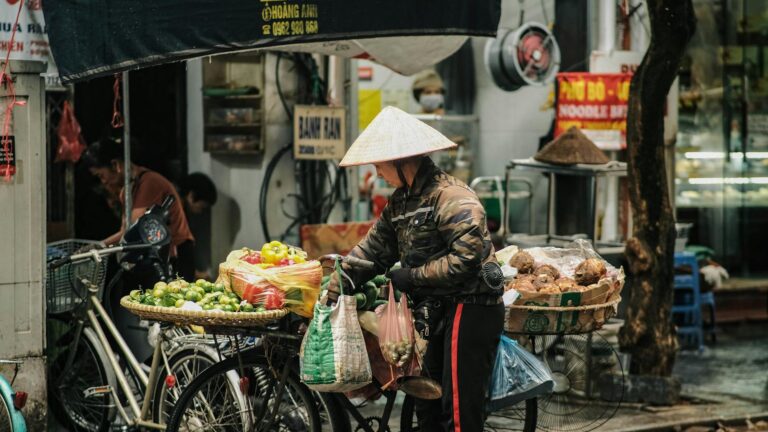
Hue’s morning markets hit you with a wave of scent—not the clear broth of pho, but something richer. Chilies blackened over flames, lemongrass, and pork blood cake bubble in giant pots as vendors call out prices. This is bun bo hue country. If you’ve only had pho, you’ve skipped what Vietnamese people really eat morning, noon, and night.
Vietnam’s noodle scene goes way beyond that one famous bowl. From the central highlands down to the Mekong, every region has its own take—shaped by local ingredients, history, and sheer stubborn pride. These ten dishes prove it.
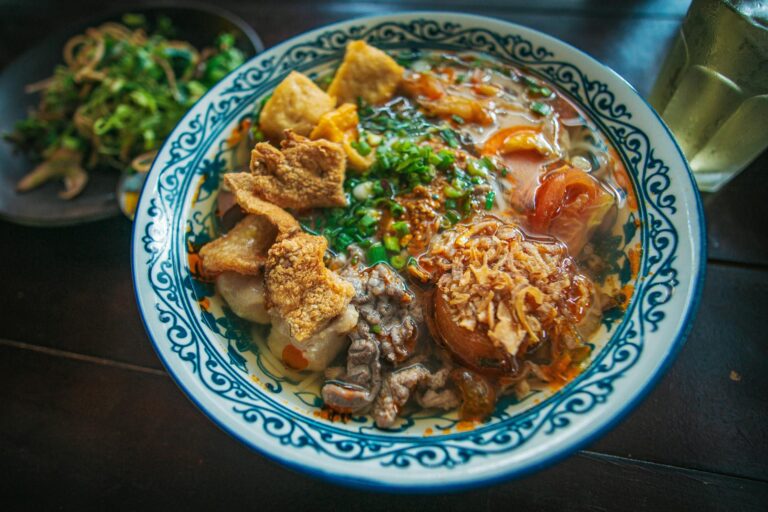
Bun Bo Hue: Central Vietnam’s Spicy Signature
Bun bo hue doesn’t hold back. The broth’s deep color comes from charred shallots and chilies, its heft from pork knuckles and beef shank simmered half the day. Look for cubes of pork blood cake (firm but creamy) and the occasional dab of shrimp paste. Every Hue vendor has strong opinions on how much spice belongs in the bowl.
The noodles are thicker than pho’s, with a satisfying chew that stands up to the heavy broth. A tangle of fresh herbs—mint, cilantro, dill—plus lettuce and lime cuts through the richness. Near Trang Tien Bridge, stalls serve versions so good locals queue before sunrise. The heat creeps up on you. Not a punch, just a slow burn. By the third bite, you get why Hue claims this dish as birthright.
Mi Quang and Cao Lau: Quang Nam’s Noodle Rivals
Hoi An and Quang Nam take noodles personally. Mi quang features turmeric-yellow noodles (thick, slightly crispy) in a shallow pool of pork or shrimp broth. The magic’s in the toppings: crushed peanuts, sesame seeds, fried shallots, greens, and usually shrimp or pork. Mix it all up, then sip any leftover broth like a bonus.
Cao lau, Hoi An’s other pride, uses similar noodles but goes darker. The broth’s deeper, often touched with cinnamon. Locals swear it only works with water from Hoi An’s ancient well. Try it elsewhere and it’s decent. Here? It tastes like generations of family recipes.
Beyond the Usual Suspects: Noodles You Should Meet
Bun rieu (crab and tomato noodles) shifts as you travel—up north, the broth turns almost sweet. Bun oc (snail noodles) demands work (tiny shells, tricky meat) but rewards you with complex broth. In Hanoi’s Old Quarter, some stalls have been perfecting theirs for a century.
Bánh canh’s thick tapioca noodles cling to pork or crab broth like a warm hug. Then there’s bun dau mam tom—rice noodles with tofu and a shrimp paste sauce so strong it could wake the dead. Love it or leave it.
Here’s the thing: pho’s just the start. Spend a week digging into these regional stars. Ask vendors why their version’s the best. You’ll eat better and learn more than any guidebook can tell you.