Tokyo
Tokyo Bangkok
 Seoul
Seoul Singapore
Samgyeopsal Guide: History, Regional Styles & How to Eat It Right
Three days in Seoul? Every food guide sends you to the same Gangnam spots. None explain why samgyeopsal—that sizzling pork belly—actually matters, or how to order it like a local. Let’s fix that.
Samgyeopsal Is Pork Belly, But Not the Pork Belly You Know
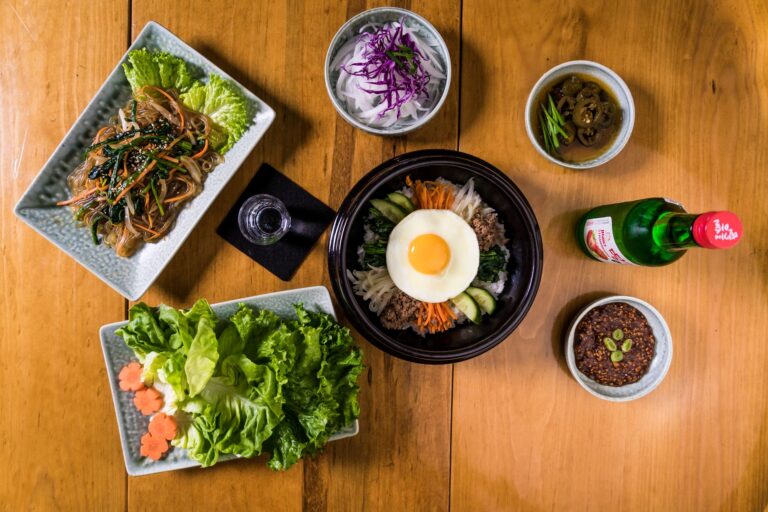
Samgyeopsal is unmarinated pork belly, sliced thin (3-5mm usually), grilled right at your table. You wrap it in lettuce with ssamjang and garlic. Not brisket. Not bacon. This cut sits between ribs and skin—its high fat content (about 70%) means quick cooking, clean flavor, and minimal seasoning needed.
Good samgyeopsal shows even marbling, chars slightly in under two minutes per side, tastes purely porky. Bad versions? Too thick, bland, or from older pigs with waxy fat. You’ll know—it’ll coat your mouth greasily, turn mushy not tender. Tourist spots serve passable versions. Few serve the real deal.
Regional Variations: Seoul vs. Jeju vs. Jeonju, and Why It Matters
Seoul’s standard is thin-sliced, fast-grilled with basic sides (kimchi, radish, perilla). Reliable everywhere.
Jeju pigs grow on volcanic soil—their pork fat tastes cleaner, slightly sweet. Try it near local markets, not tourist areas. Costs 20-30% more.
Jeonju turns samgyeopsal into a banquet. Same pork, but with 15-20 banchan (side dishes). Meals stretch longer, focus on sharing. Less about speed, more about gathering.
For three days? Try standard samgyeopsal in Hongdae or Gangbuk first. Then hunt Jeju pork if curious. Skip regional trips unless staying over a week.
How Koreans Actually Eat Samgyeopsal: The Ritual Matters More Than You Think
The grill isn’t just for show. You cook your own meat to preference, wrap it immediately, eat in two bites. It’s social—coordinating with tablemates, timing the cook, sharing grill space. Koreans rarely eat samgyeopsal solo.
Most guides miss this: Koreans pair it with soju or beer, never water. Fat and alcohol work together. Water fights the meal’s flow.
Timing helps too. Samgyeopsal spots busiest 6-9 p.m. on weekdays, packed weekends. Go at 11 a.m.—meat’s fresher (prepped for lunch), prices 10-15% lower.
Best Seoul spots? Hongdae (young crowd, creative cuts), Gangbuk (traditional quality), Myeongdong (tourist-friendly but hit-or-miss). Skip English-menu joints in Gangnam unless stuck there. Quality depends on the meat supplier, not the neighborhood.
Book a Hongdae mid-range spot for lunch on day two. Arrive at 11:30 a.m., order regular cut (not special), grab a Hite beer. Cook it medium-rare. Wrap in perilla leaves with ssamjang and garlic. Eat fast while hot. This one meal teaches more about Korean food than six fancy restaurant visits.