Tokyo
Tokyo Bangkok
 Seoul
Seoul Singapore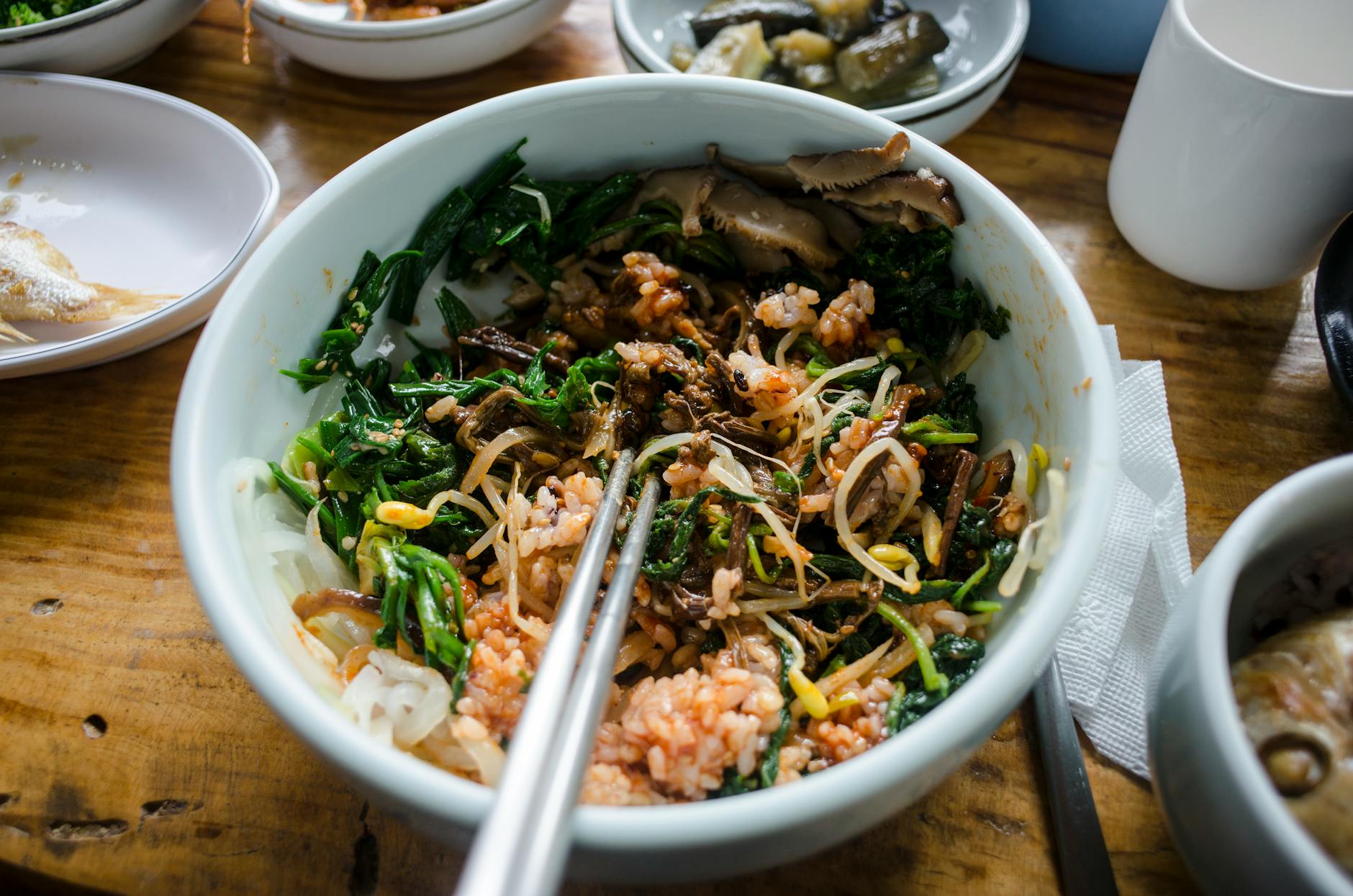
How to Build Bibimbap: The Korean Bowl Assembly Method
Got three days in Seoul? Every food blog pushes the same Gangnam spots. Forget chasing Instagram bait—the real move is mastering bibimbap assembly. Nail this bowl, and you’ll grasp Korean cooking better than any single meal could teach you.
Why Bibimbap Assembly Matters More Than the Ingredients Themselves
“Mixed rice” sounds simple. It’s not. Screw up the order, temperature, or technique, and you get a sad pile of cold veggies on starch. Bad bibimbap tastes like last night’s leftovers. Done right? Every bite has purpose—balanced, bright, alive.
The blueprint: rice, namul (seasoned veggie sides), fried egg, gochujang, sesame oil. But the magic happens in the details. Warm rice should gently heat the vegetables. Egg yolk must coat the grains. Gochujang needs even distribution, not a fiery corner blob. This isn’t plating—it’s physics. Temperature gradients, texture play, flavor layering make or break it.
And mix it yourself. No shortcuts. Stirring blends warm rice with cool namul, bursts the yolk, marries the paste to every grain. Pre-mixed bowls are crimes against bibimbap.
The Specific Layers: Rice, Namul, Egg, Gochujang, Oil
Start with warm short-grain rice—your edible heating pad. Not scalding, not cold. Barely salted.
Next, namul. At least four types: spinach (sigeumchi namul), carrot, zucchini, bean sprouts. Each gets its own sesame oil-garlic treatment. Room temp or slightly warm is key—cold veggies meeting warm rice create the crunch contrast that defines the dish.
Crown it with a fried egg. Runny yolk mandatory. Solid yolk? You’ve got breakfast, not bibimbap.
Gochujang—a tablespoon, adjust for spice tolerance. Don’t stir yet. Sesame oil drizzle, toasted sesame seeds, optional beef crumbles if you’re feeling fancy.
Now, mix. Dig to the bottom, pop the yolk, fold like you mean it. Twenty seconds minimum. Rice blushes pink from gochujang. Yolk becomes sauce. Veggies disperse evenly—no clumps allowed.
Where to Actually Learn This in Seoul (And Why Most Tourist Restaurants Get It Wrong)
Ditch Myeongdong and Gangnam joints. Built for speed, not soul. Hit Jongno-gu or Bukchon instead—look for plastic food models in windows and locals eating lunch. Order bibimbap as a side, not the main event. That’s how Koreans do it.
Better yet: make it. Grab namul ingredients from a Korean market, cook rice, fry an egg, assemble. You’ll learn more than from ten restaurant visits. The temperature dance, seasoning balance, mixing finesse—it clicks when your hands do the work.
Pro move: book a temple stay or home cooking class ($40-80). They’ll walk you through proper assembly. Worth every won for the technique alone.
The Honest Truth: Gochujang Quality Determines Everything
Western bibimbap fails on bad gochujang—stale, cheap, or both. The real deal ferments deep: funky, umami-rich, heat that creeps. Skip supermarket tubes. Korean grocery imports change everything. Upgrade this one ingredient, and your homemade version tops most tourist-trap bowls.
Remember: bibimbap is Korean fridge clean-out. Traditional versions use whatever namul’s around. It’s a method, not a recipe.
Try this: Score good gochujang. Make fresh namul. Cook rice. Fry that egg right. Assemble at home before your trip. You’ll instantly spot which Seoul spots actually care—because you’ll taste the difference.