Tokyo
Tokyo Bangkok
 Seoul
Seoul Singapore
Best Asian Food in NYC: Korean, Japanese, Thai, Vietnamese
New York’s Asian food scene is a mixed bag—some spots are legendary, others just meh. Tourists often end up at the same overhyped places serving decent but uninspired dishes. The real magic? It’s in the neighborhood joints nobody talks about, the ones where the food tastes like it was made for family, not for likes.
Korean Food in Flushing Is Overrated; Astoria Is Where You Actually Eat
Flushing has Korean restaurants like Manhattan has Starbucks—plenty, but nothing special. Astoria’s 31st Avenue, though? That’s where the real deal happens. These spots aren’t tweaked for tourists. They’re for Koreans craving a taste of home, which is exactly why they’re worth your time.
Omasa (32-26 31st Avenue) serves kalbi and oxtail soup that’ll make you forget the subway ride. The broth? Deep, meaty, no shortcuts. At Sik Gaek (32-37 31st Avenue), get the bibimbap in a scorching stone bowl—the way it’s meant to be eaten, not the lukewarm version you’ll find elsewhere. Pro tip: eyeball what the regulars are ordering. Copy them.
Japanese Food: East Village for Ramen, Williamsburg for Sushi, Nowhere Else
New York has killer Japanese food—and also overpriced Midtown traps. Here’s the cheat code: ramen in the East Village, sushi in Williamsburg. Anything else is just paying extra for mediocrity.
Ramen Alley (East 9th Street between 2nd and 3rd Avenues) packs four tiny shops into one block. Ippudo’s the big name, but Ichiran’s the move. Both nail tonkotsu—thick, porky broth, noodles with bite. Over in Williamsburg, Shuka (47 South 1st Street) does omakase without the wallet panic. The fish is fresh. The chef doesn’t mess around. The price? Fair.
Thai and Vietnamese: Sunset Park Is Where the Actual Work Happens
Chinatown’s Vietnamese spots get all the press, but Sunset Park’s where the locals eat. These places cook for Vietnamese diners, not for takeout menus.
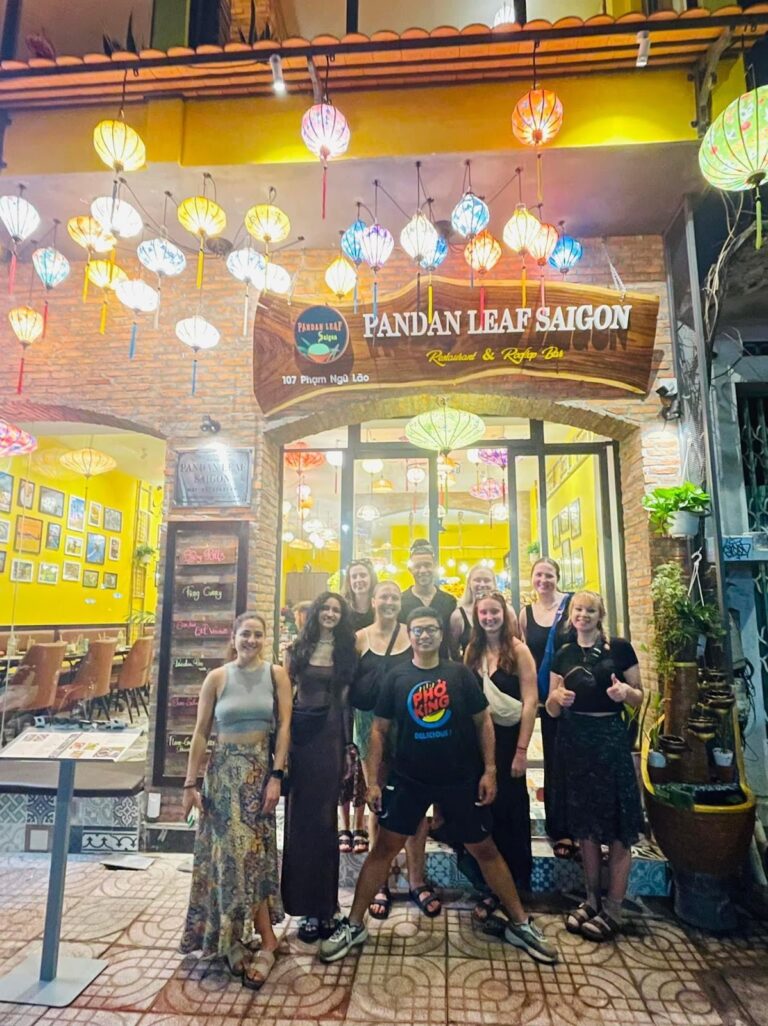
Pho King (5918 8th Avenue) serves pho like it’s supposed to be: clear, beefy broth, tender meat, herbs that don’t taste like fridge leftovers. No frills. Just flavor. For Thai, hit Bangkok Center Grocery (104 Mosco Street)—a cramped grocery with a kitchen in back. Order the khao soi. It’s the only dish you need. They’ve perfected it.
The Honest Truth: The Best Meal Costs Eight Dollars
Sure, you can drop a paycheck on fancy sushi. Or you can grab pho from a Flushing cart at midnight for eight bucks. Guess which one’s more likely to blow your mind? The cart has no stars, no hype—just broth that’s either good or garbage. No middle ground.
That’s the secret to New York’s real Asian food: follow the crowds who eat here every day. Skip the theatrics. Eat like you belong.
Do this: Ride the 7 train to Flushing. Ignore the big names. Find a bánh mì cart. Hand over five dollars. Eat it on the sidewalk. You’ll learn more about this city’s food than any tasting menu could teach you.