Tokyo
Tokyo Bangkok
 Seoul
Seoul Singapore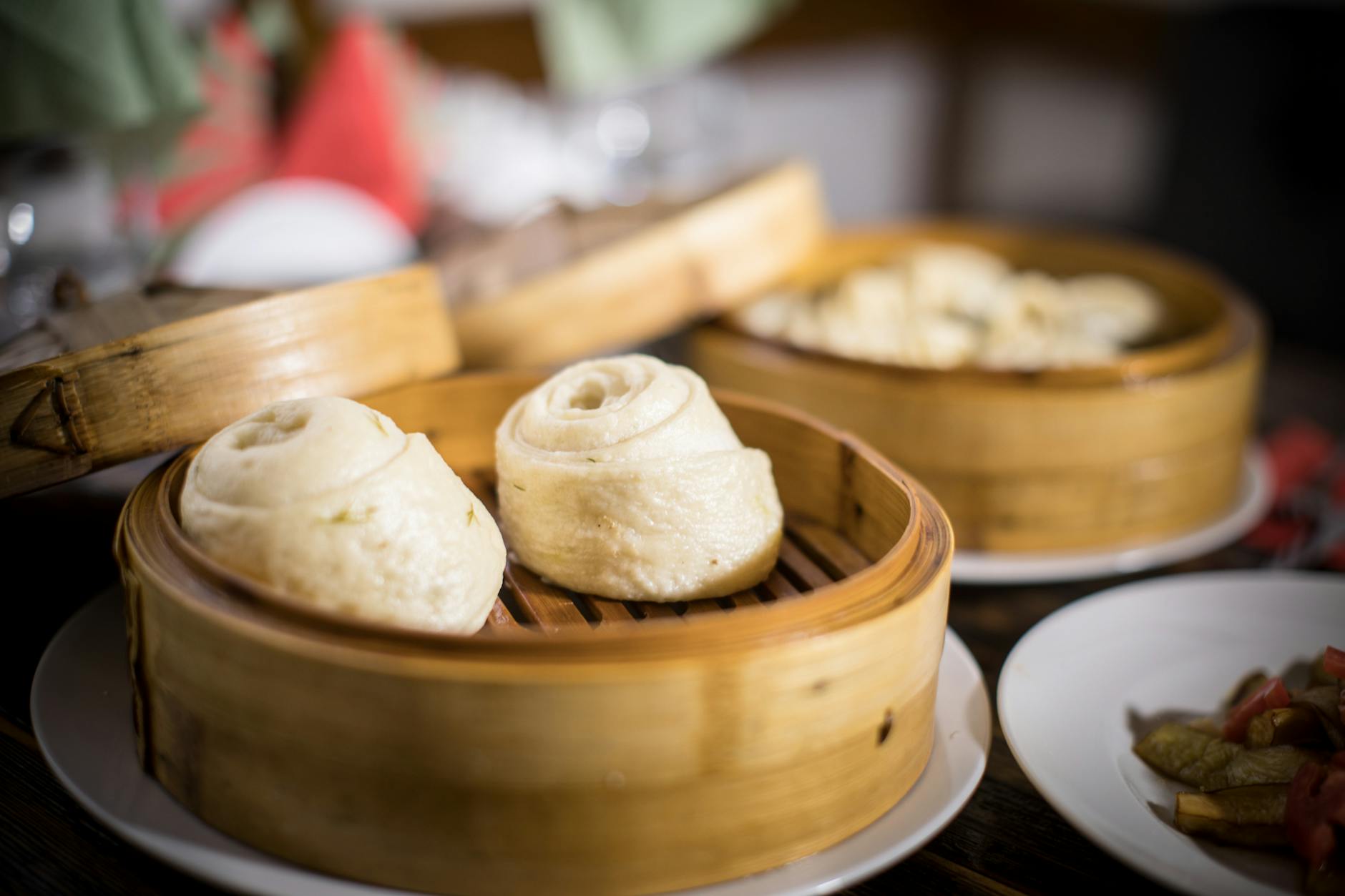
Dim Sum vs Tapas: Which Small Plates Philosophy Wins

Dim sum and tapas? Not even close, no matter what that trendy brunch spot tells you. One’s a lively morning ritual with carts and tea. The other’s basically bar snacks for drinkers. Saying they’re the same is like comparing a fancy tasting menu to street food—it just doesn’t make sense. Get this right if you actually care about good eating.
Dim Sum Is Theater. Tapas Is Survival.
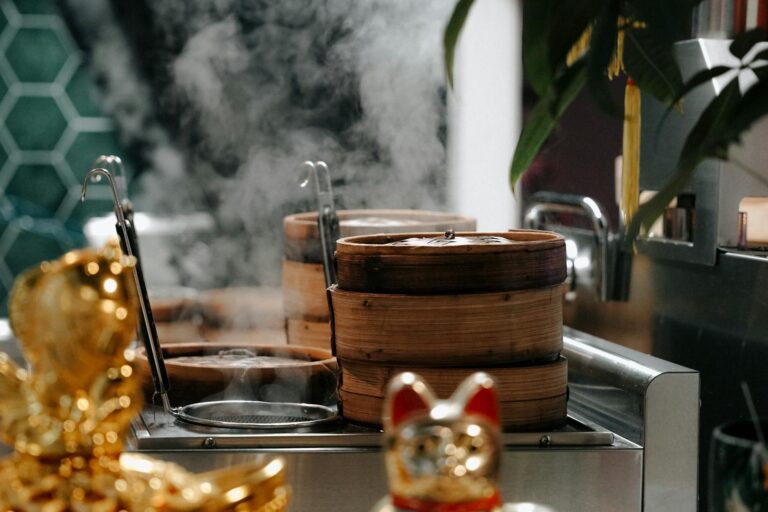
Dim sum—yum cha to Cantonese speakers—is Saturday morning entertainment. Show up early, squeeze between strangers, and watch the carts roll by. Point. Eat. Drink too much tea. The food’s almost an afterthought, though when it’s good? Wow. A proper har gow has a wrapper so thin you can see through it. Just shrimp, bamboo shoots, and pork fat inside. Anything more means someone messed up.
Tapas began as damage control. Spanish bars needed to keep drunks upright with cheap snacks—a slice of jamón here, some olives there. The food kept pace with the drinking. Even now, that’s still the heart of it. Tapas is quick hits of flavor. One perfect anchovy on bread. Three dates wrapped in ham. You don’t sit around analyzing each bite. You eat, drink, and keep the conversation moving.
Where to Actually Experience Both, and What to Order
For real dim sum, avoid tourist traps. San Franciscans should brave the BART to Daly City’s Koi Palace—their har gow and siu mai are textbook perfect. Londoners have Yauatcha for fancy versions or Chinatown spots like Four Seasons for the real deal. Sydney? Marigold in Chinatown. Get char siu bao, siu mai, and extra har gow. Drink the tea slowly.
Tapas demands a proper Spanish bar, not some dressed-up restaurant. Barcelona’s La Boqueria market has standing bars with better food than most restaurants. Madrid’s La Latina neighborhood is packed with places serving killer jamón ibérico and pan con tomate. London’s Coppa Club does decent versions without the fuss. Stateside, try Bacchanal in SF or Gramercy Tavern in NYC. But honestly? The best tapas happen at some random Spanish bar where no one cares what you think.
The Uncomfortable Truth: One Is Dying, One Is Thriving
Dim sum’s struggling in the West. Cart service needs staff, space, and customers who actually get it. Most places now just do menu orders—which misses the whole point. In Hong Kong, yum cha still rules Sunday mornings. But elsewhere? It’s turning into a tourist attraction.
Tapas is everywhere now—though most places get it wrong. They ditch the drinking culture and just serve small plates. The good ones remember tapas is about sharing. Order five plates for two people. Drink vermouth, not wine. Stand at the bar.
What You Should Actually Do
Find a dim sum place with actual carts. Go Saturday morning with friends. Order at least six dishes—if the har gow’s bad, bail. Then hit a Spanish bar (not restaurant) for jamón, manchego, and whatever’s stewing in the cazuela. Drink vermouth. Stay on your feet. These traditions aren’t interchangeable, and pretending they are means you’re missing out.