Tokyo
Tokyo Bangkok
 Seoul
Seoul Singapore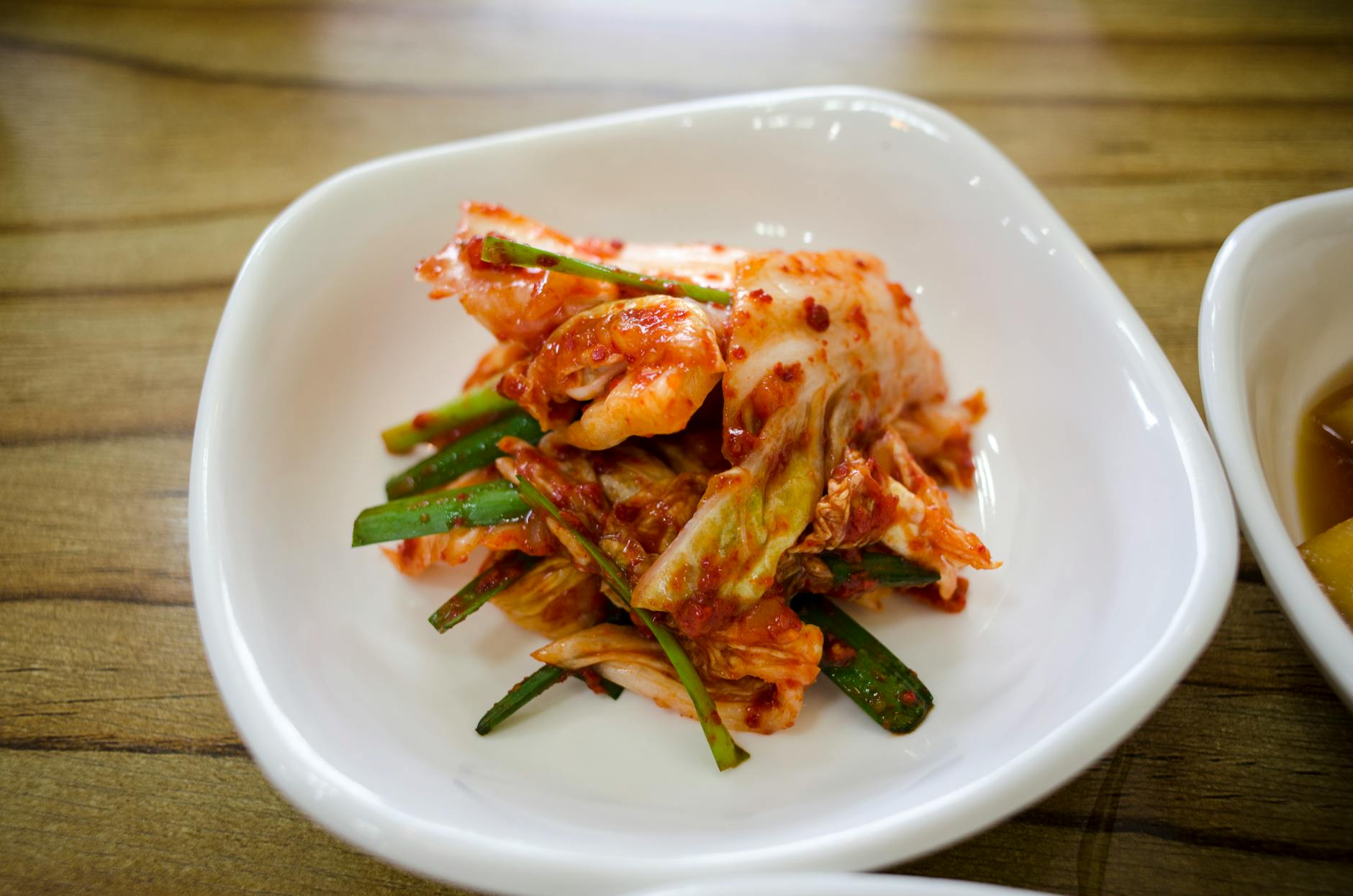
Korean Anju: What to Eat While Drinking Soju and Makgeolli
Korean drinking culture isn’t really about the booze—it’s about what you eat with it. Anju, the snacks made specifically for drinking sessions, play by different rules than regular Korean meals: saltier, greasier, and designed to make you thirsty. No accident here. Pure strategy.
Anju Isn’t Just “Bar Food”—It’s a Whole Different Game
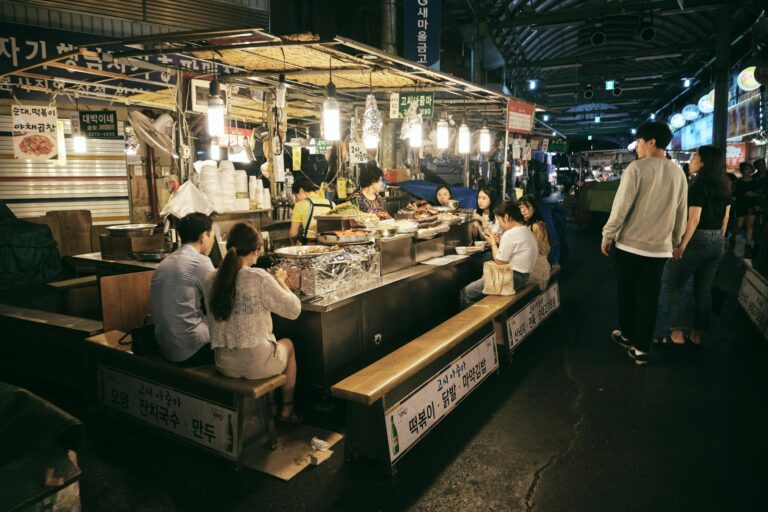
Anju literally means “something to go with alcohol,” but it’s more than that. These dishes follow one rule: they must make you thirsty and pair perfectly with soju (that clear, strong grain spirit) or makgeolli (milky, slightly sweet rice wine). Kimchi on its own? Not anju. Kimchi at a pojangmacha (those street tent bars) with a shot of soju? Now we’re talking. Context changes everything.
Great anju does three things at once. First, it’s salty and savory enough to make you crave another drink—this isn’t subtle. Second, it’s got texture that keeps you chewing (and drinking). Third, it matches the booze. Makgeolli, with its gentle sweetness, goes with lighter stuff like pajeon (crispy veggie pancakes) or twigim (fried veggies). Soju, being clean and sharp, needs bold flavors: think spicy stir-fried octopus or steamed dishes packed with seasoning.
The Soju Anju Hall of Fame: 5 Dishes That Get It Right
Chimaek (fried chicken and beer) gets all the hype, but soju’s anju lineup is where things get interesting. Dakgangjeong—glazed fried chicken with sesame and chili—shows up at every pojangmacha for a reason. That crispy skin, sticky-sweet-spicy glaze, and salty sesame seeds make you reach for your glass instantly. The glaze is just reduced gochujang, sugar, and soy sauce—simple, but deadly effective.
Then there’s nakji-bokkeum: raw squid or octopus blasted with chili, garlic, and sesame oil until the edges char. Chewy, spicy, impossible to eat without drinking. Jjim—slow-steamed dishes like chicken or octopus—packs deep umami into every bite. One spoonful of that salty, savory broth and you’ll down your soju without thinking.
Tteokbokki (spicy rice cakes) and odeng (fish cake skewers) are the street-food versions—cheaper, faster, but just as ruthless with salt and heat.
Makgeolli Anju Plays a Different Game—Most Visitors Miss This
Makgeolli tastes sweeter than soju, so people assume its anju should be delicate. Wrong. Makgeolli snacks are just as salty and savory, but they focus on texture over fire. Pajeon—those scallion pancakes with crispy edges and chewy middles—is the classic. The saltiness lifts makgeolli’s subtle sweetness instead of fighting it. Bindaetteok (mung bean pancakes) does the same trick: earthy, salty, perfect with milky makgeolli.
Jeon (anything pan-fried) rules makgeolli bars because crunch keeps you drinking. Kimchi jeon, seafood jeon, even cheese jeon—they’re all about texture and salt, not complexity.
Where to Find It: Seoul’s Pojangmacha Scene (Yes, It’s Still There)
Gwangjang Market in Jongno has rows of pojangmacha stalls slinging soju with tteokbokki and odeng from mid-afternoon. Look near the east entrance. Myeongdong’s pojangmacha alley (by exit 6 of Myeongdong Station) feeds tourists and locals alike. For makgeolli, hit Insa-dong spots like “Makgeolli Bangbang” for pajeon in a traditional setting.
Outside Korea, most restaurants don’t separate anju from regular dishes. Your move: order fried chicken, squid, or steamed stuff and ask for extra salt and heat. Sydney’s Strathfield and Melbourne’s Box Hill do it closer to the Seoul way than most US spots.
The Real Deal: Anju Needs Booze. Period.
Anju doesn’t work without alcohol. Trying to “experience” it sober is like watching a movie on mute. The salt hits different when you’re drinking, and the back-and-forth of eating and sipping creates a loop that makes both better.
Some call this “social bonding.” Really, it’s just smart design. Every part of anju—salt, texture, portion—exists to make you drink more. Once you see that, the whole thing clicks.
Try this: Get dakgangjeong (that glazed chicken) with soju. Eat slow, drink, and notice how the salt and heat make each sip taste sharper. That’s anju in one lesson.