Tokyo
Tokyo Bangkok
 Seoul
Seoul Singapore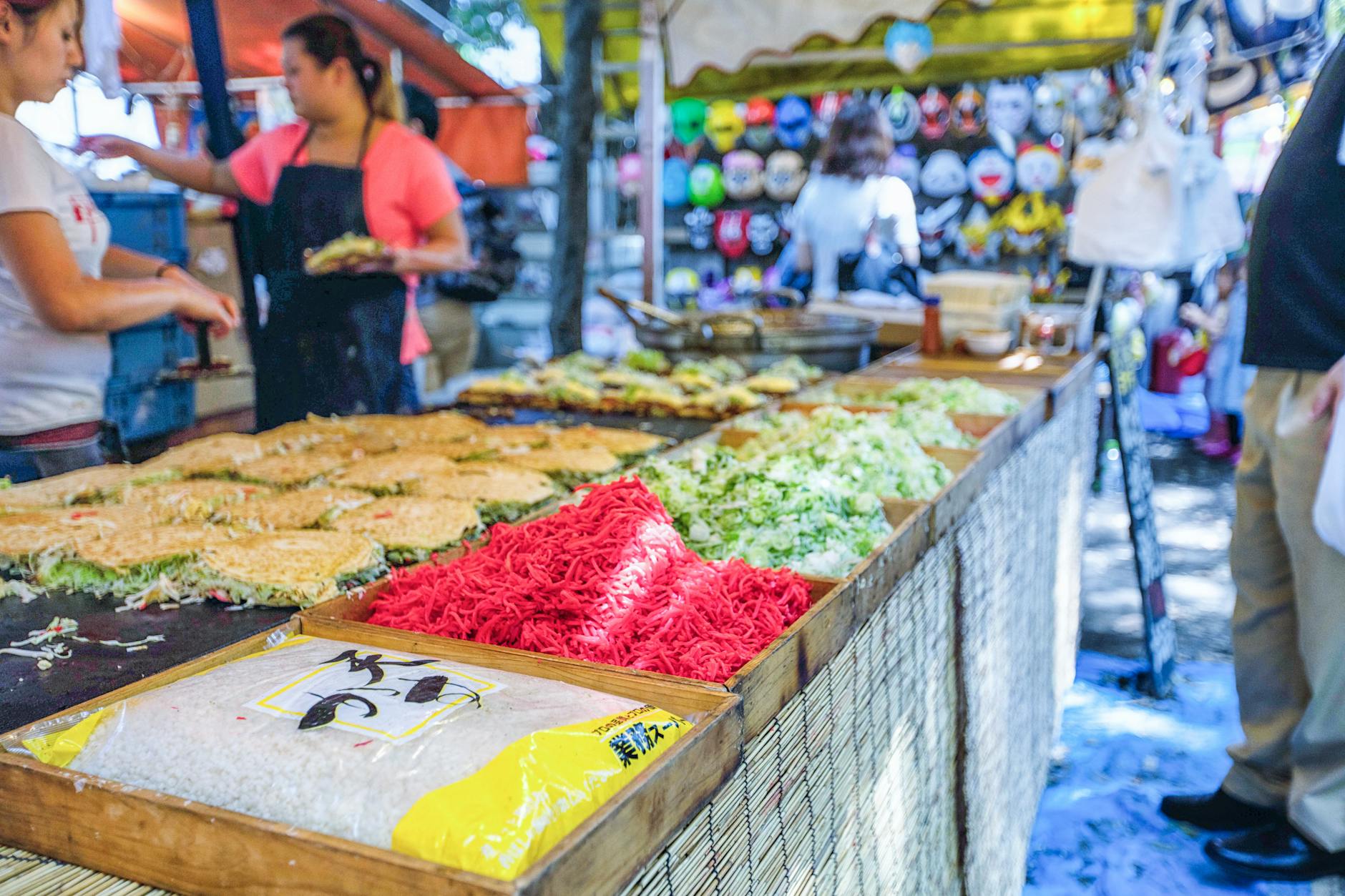
Tokyo Food Guide: Eating Through Tsukiji, Shibuya & Beyond
At Tsukiji Outer Market, a sushi chef shaves bonito so thin it dances on rising heat—that’s Tokyo in a nutshell. The city doesn’t just serve great food; it turns preparation into theater. After years of observing locals, one thing’s clear: the best meals happen where skill outweighs shortcuts.
Tsukiji: Where the Market Teaches You About Freshness
Get to Tsukiji Outer Market by 7 AM. Not for photos—for the tamagoyaki still warm from the pan, its eggs sweet and barely set. Vendors along the main strip will hand you uni, then proudly name the prefecture and harvest time. Freshness isn’t a buzzword here; it’s the only ingredient that matters.
Slip into Sushi Saito or any standing counter where chefs break down fish in front of you. Pro tip: ask what came in that morning. Their answer dictates the day’s best bites. And if you spot fresh wasabi root? Grab it. The real stuff tastes like earth and fire, not green paste.
Asakusa: Learning Tempura and Street Food Rhythm
Daikokuya’s tempura proves why this place has lasted since 1950. Watch the batter hit the oil—a quiet sizzle, not a splatter. Their shrimp wears a golden lace coat, crisp but weightless. The tentsuyu dipping sauce? A masterclass in balance: dashi, soy, mirin in harmony.
Down Nakamise Street, ningyo yaki vendors pump out doll-shaped cakes with molten red bean centers. Simple. Perfect. Nearby, okonomiyaki stalls flip savory pancakes with military precision—less about flair, more about nailing the cabbage-to-batter ratio every time.
Shibuya and Shinjuku: Where Tokyo Eats Late and Loud
Nonbei Yokocho’s yakitori masters work magic on skewers over tiny grills. Thighs and hearts—always. Charred outside, juicy inside, washed down with icy beer. No frills. Just flavor.
Shinjuku’s ramen alleys operate on a different clock. Slurp bowls of broth that range from featherlight to porky depth charges. Watch regulars: they eat fast, leave no noodles behind. The best shops don’t need English menus—just point at what smells good.
Tokyo’s food scene rewards the curious. Skip the obvious spots. Follow the salarymen to places where one dish has been refined for 30 years. That’s where you’ll see it—the exact moment when ingredients and skill collide.