Tokyo
Tokyo Bangkok
 Seoul
Seoul Singapore
Galangal in Asian Cooking: The Complete Guide
Back in the 13th century, Javanese courts treated galangal like money. Arab traders shipped it across oceans with spices like cloves and nutmeg—sometimes swapping it for gold, pound for pound. Yet most Western kitchens today barely know it exists. That’s wild, considering it’s the backbone of Thai, Indonesian, and Malaysian cooking. Time for that to change.
Galangal (Alpinia galanga) looks like ginger’s paler, lumpier twin. But taste it, and the similarity vanishes. Ginger’s warm and sweet; galangal bites back with peppery heat, a medicinal punch, and a whisper of citrus. It’s not cozy—it’s a jolt. And in Southeast Asian dishes, that difference makes or breaks a curry.
How Galangal Differs From Ginger (And Why It Matters)
Sure, they’re both rhizomes. Both show up in Asian markets. But swapping them? Like trading wasabi for horseradish—close, but catastrophically wrong.
Galangal’s flavor is peppery, piney, with heat that sticks in your throat. Fresh ones have thin skin, pale yellow flesh, and reddish rings inside. Slice it open, and the smell hits you: sharp, medicinal, with a whiff of eucalyptus.
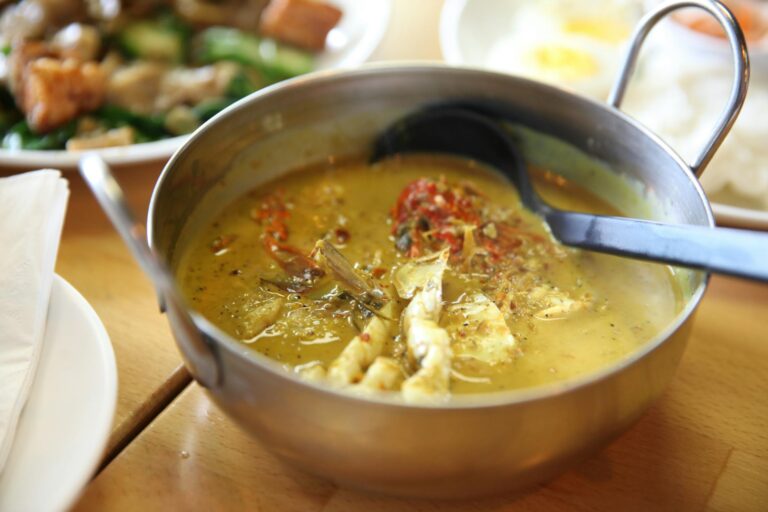
Thai cooks won’t budge on this. Tom kha gai needs galangal—ginger turns it into a different soup. Galangal’s peppery hum lets coconut milk and lime sing without clashing. Same goes for Malaysian rendang or Indonesian gado-gado. It’s not about overpowering. It’s about lifting everything else up.
Galangal’s Essential Role in Southeast Asian Curries and Pastes
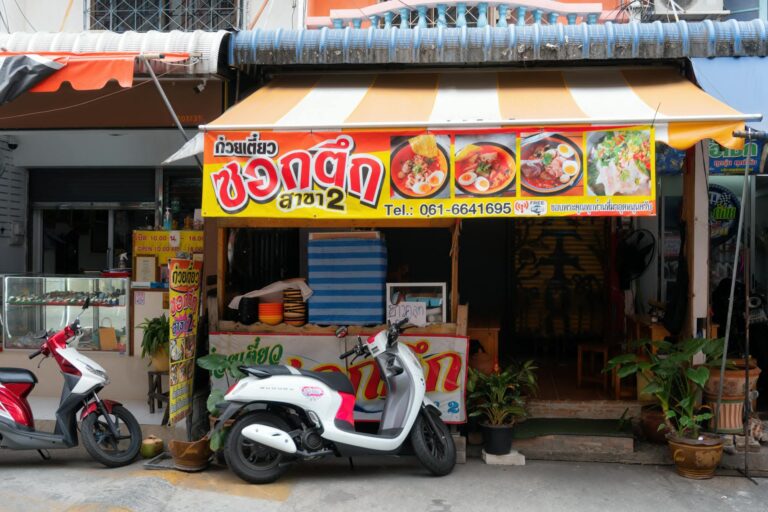
Hit a Bangkok market, and you’ll see galangal piled next to ginger and lemongrass. It’s curry paste 101. Thai red curry paste mashes it with chilies, garlic, and shrimp paste—hot, peppery, savory all at once.
Indonesian rempah pastes use it too, for satay marinades or rendang sauces. The method’s universal: pound fresh galangal with aromatics, fry it slow in oil. That “blooming” softens its raw edge into something deeper, more layered.
Dried galangal (laos powder) plays a different game. Less fragrant, more concentrated. Vietnamese pho broth leans on it, balancing star anise’s sweetness with peppery depth.
Finding and Using Galangal in Your Kitchen
Fresh galangal hides near the ginger in most Asian markets. Pick firm ones, no soft spots. Fridge it for three weeks, or freeze it whole for months. Frozen actually works better for pastes—the ice breaks it down.
New to galangal? Try tom kha gai first. Simmer thin slices in coconut milk with chicken and lime. You’ll get it immediately—that peppery, medicinal kick that somehow makes coconut taste richer, lime brighter.
No fresh galangal? Dried works (use one-third as much), though it’s not as vibrant. Some online shops ship fresh now. Taste it once, and you’ll see why traders once valued it like gold.