Tokyo
Tokyo Bangkok
 Seoul
Seoul Singapore
Low-Carb Asian Recipes: Cauliflower Rice to Lettuce Wraps
Asian cuisines nailed low-carb cooking before it was trendy. Not because of diet fads—because the techniques existed for generations. Cauliflower rice stir-fries, zucchini noodle soups, and lettuce-wrapped dumplings aren’t new. They’re polished versions of what Asian home cooks have always done: stretch ingredients, cut waste, and balance flavors in one bowl.
Cauliflower Rice Transforms Fried Rice Without Compromise
Cauliflower rice works where others fail because fried rice was never about the rice. It’s about blistering wok heat, bold seasoning, and the protein-veggie ratio. The starch barely matters. Swap in cauliflower rice and you actually improve the texture. It soaks up flavors better than pre-cooked rice, which turns gummy under high heat.
Use raw cauliflower rice—never frozen. Frozen stuff leaks water and makes everything soggy. Crank your wok to max, add oil, garlic, and ginger, then toss the cauliflower for 90 seconds before adding other ingredients. This quick sear locks in flavor and keeps it crisp. Don’t skip the soy sauce, sesame oil, and white pepper. Finish with a beaten egg to bind everything together. This isn’t some sad diet hack—it’s just how good fried rice should be made.
Zucchini Noodles Work Best in Broths, Not Stir-Fries
Most people screw up zucchini noodles by treating them like pasta. Big mistake. They belong in soups—pho, egg drop, Thai curries—where they can swim in liquid instead of frying in oil.
For pho, toss raw zucchini noodles into hot broth right before eating. Thirty seconds max. Any longer and they turn to mush. Same rule for curries: add them at the last minute so they stay firm and don’t water down the sauce. Stop forcing them to be spaghetti and they’ll actually taste good.
Lettuce Wraps Are the Honest Version of What Americans Already Eat
Lettuce wraps weren’t invented as a low-carb trick. They’re legit street food across Asia—a way to serve spiced meat without rice or noodles. Americans just finally noticed.
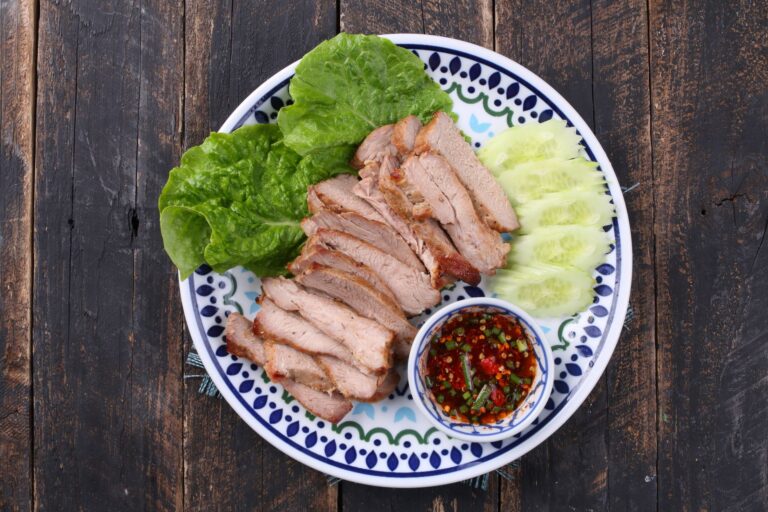
Butter lettuce holds up best, but romaine and iceberg work too. The magic’s in the filling: minced pork or chicken, crunchy water chestnuts, scallions, cilantro, and a sauce that balances salty, sour, and spicy. Sauce lightly—just enough to coat, not drown. Unlike restaurant versions that arrive pre-sogged, real lettuce wraps get assembled at the table.
The Real Reason These Work: Asian Cooking Values Restraint
These low-carb swaps succeed because Asian cooking never relied on carbs as a crutch. The tradition is about balance—protein, veggies, fat, acid, heat in harmony. Take out rice or noodles and the dish still works. You just adjust the ratios.
Western cooking treats carbs as the main event with veggies as an afterthought. Asian cooking makes them equals. That’s why cauliflower rice stir-fry feels complete, not like you’re missing out.
Try proper wok-seared cauliflower fried rice with raw cauliflower, high heat, and soy sauce. Do it right once and you’ll get it—this isn’t a compromise. It’s an upgrade.