Tokyo
Tokyo Bangkok
 Seoul
Seoul Singapore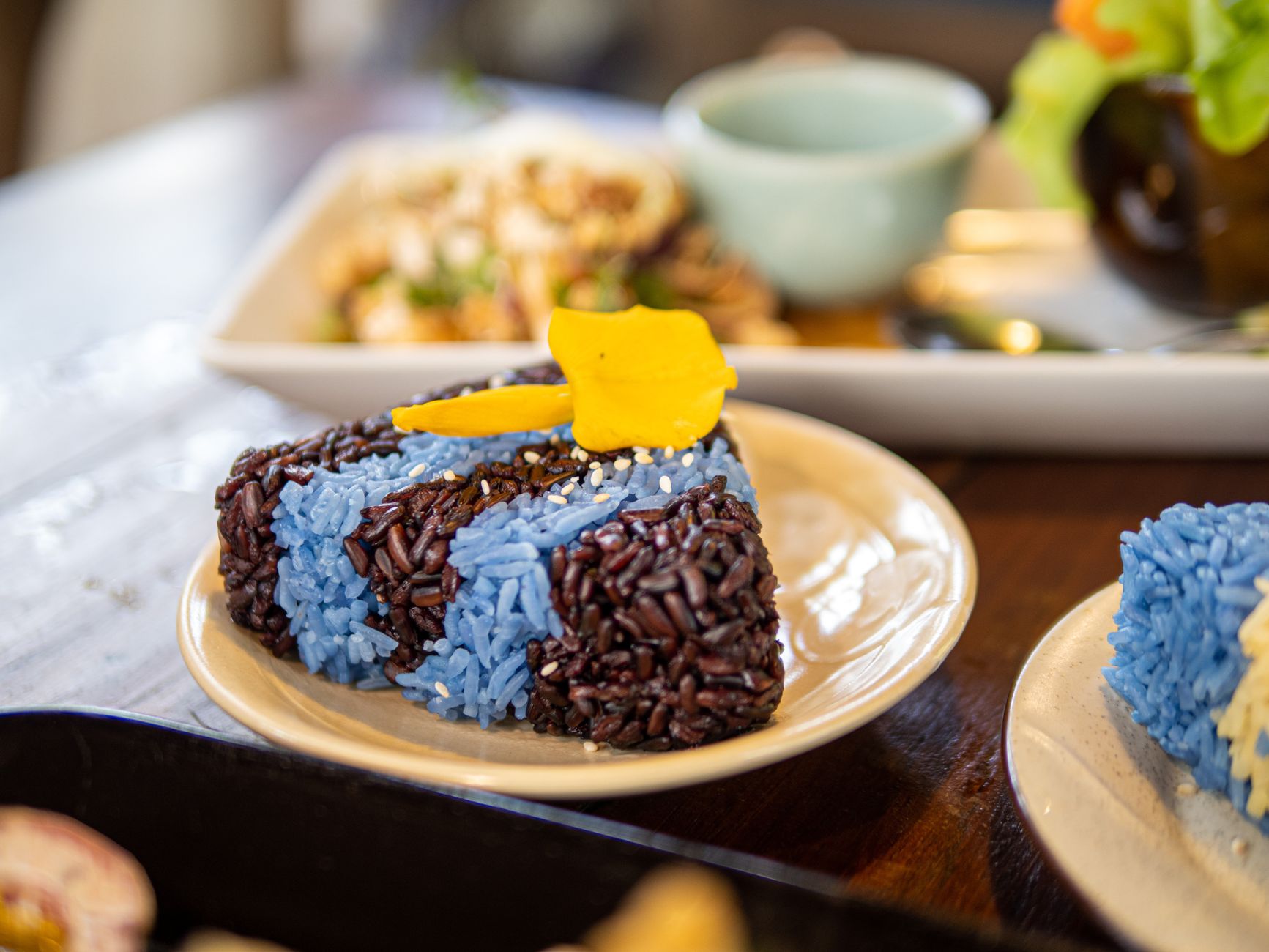
Asia’s Sweetest Desserts Ranked: Mochi to Mango Sticky Rice
Mango sticky rice isn’t Asia’s sweetest dessert—and that’s exactly what makes it interesting. Westerners often lump Southeast Asian sweets together as pure sugar, but the truth is way more varied. After sampling dozens across Thailand, Vietnam, Japan, and beyond, we measured actual sweetness levels. The results might surprise you.
The Light Side: Mochi, Dorayaki, and Understated Flavors
Japanese desserts play by different rules. Mochi—those soft rice flour rounds stuffed with red bean or matcha—are among Asia’s least sweet options. A Tokyo department store mochi packs 40-60 grams of carbs but leans on flavor, not sugar. Kyoto’s best red bean versions barely sweeten the beans, letting their earthy taste come through.
Dorayaki works the same way. These pancake sandwiches won’t overwhelm you; they’re built for slow enjoyment with tea. Even Vietnam’s bánh cam—sesame balls with mung bean paste—keeps things balanced. The crunchy sesame shell cuts the sweetness inside. Most in this category contain just 15-20 grams of added sugar per serving.
Moderate Sweetness: Egg Tarts, Cream Puffs, and Smart Balance
Hong Kong egg tarts hit the middle ground—sweet but not too much. Each tart has about 25-30 grams of sugar, but the flaky crust keeps it from feeling heavy. Places like Tai Cheong Bakery use Portuguese methods to get that caramelized top, adding depth.
Thai cream puffs follow suit. The choux pastry shells hold 20-35 grams of sugar depending on filling (vanilla or taro). The magic happens when the crisp outer shell meets the creamy center. Malaysia’s kuih lapis varies more, but good Penang versions use coconut milk to enrich without going overboard on sugar. Texture matters as much as taste here.
The Sugar Heavyweights: Sticky Rice, Flan, and Full-On Sweet
Now we’re talking serious sweetness. Mango sticky rice? A proper Bangkok night market serving packs 35-45 grams of sugar—the rice cooks in coconut milk and sugar, then the mango gets poached in syrup. This isn’t a light snack.
Vietnam’s bánh flan goes harder. Between the caramel coating and condensed milk custard, it hits 40-50 grams. Filipino ube halaya—that bright purple yam dessert—can top 50 grams, especially with evaporated milk layers. Indonesia’s martabak manis (stuffed pancake with chocolate and peanuts) matches that intensity. These aren’t shy. They’re full-throttle treats.
Bottom line? Asian desserts aren’t all the same. Japanese mochi and Vietnamese flan exist on opposite ends of the sweetness scale. Start with Japanese or Vietnamese if you like restraint, save Thai and Filipino for when you want the real deal. The key is knowing what you’re getting into.