Tokyo
Tokyo Bangkok
 Seoul
Seoul Singapore
Japanese Convenience Store Foods: What Locals Actually Eat
Tokyo mornings don’t start with fancy breakfasts. People grab plastic-wrapped meals from FamilyMart or Lawson, eating before their train arrives. This isn’t tourist food—it’s how Japan functions. Convenience stores aren’t last resorts. They’re the backbone. Salarymen eat the same onigiri three days a week. Store managers monitor rice temps like chefs perfecting sauces.
Onigiri: The Rhythm of Daily Eating
Hit any conbini by 11 a.m. and the onigiri shelf looks ransacked. Not coincidence—lunch rush. In Japan, these aren’t snacks. They’re infrastructure. Desk lunches. Train meals. Grease-free meeting fuel.
Flavors shift with seasons. Summer means umeboshi (pickled plum) and kombu (kelp). Winter brings salmon mayo and toro (fatty tuna). Regulars stick to basics: tuna-mayo with extra kick. Plain kombu. Egg mayo with that visible quail egg. No surprises here. The rice stays warm enough to soften nori slightly. Seven Eleven’s version doesn’t wow you. It just works.
Good onigiri comes down to ratios. Cheap places mess this up. The rice shouldn’t crumble. Nori should crackle when bitten.
Egg Salad Sandwiches: The Breakfast Nobody Discusses
Egg salad sandwiches fill every conbini cooler. You won’t see them on Instagram. But they’re what gets bought at dawn by groggy office workers.
The recipe never changes: soft white bread (crusts off), minced eggs drowned in Japanese mayo (richer, tangier than Western styles). Sometimes a bacon sliver appears. The mayo’s the star—it coats every chunk. Sweet bread sounds weird until you try it against that creamy filling.
Prices hover around 200-250 yen. Stores prep them pre-dawn. Quality depends entirely on location. That Lawson near Shibuya Station? Their version beats the FamilyMart three blocks over. Regulars know which spot nails it.
Hot Snacks: Fuel, Not Experimentation
The heated displays hold fried chicken, takoyaki, nikuman (pork buns). These aren’t treats—they’re tools. Construction guys grab nikuman at sunrise. Salarymen snag karaage after overtime. The schedule matches real life.
Fried chicken tweaks by region. Hokkaido goes heavy on salt-pepper. Tokyo adds heat. Always pre-cooked, always reheated. Sounds bad until you need predictable calories fast.
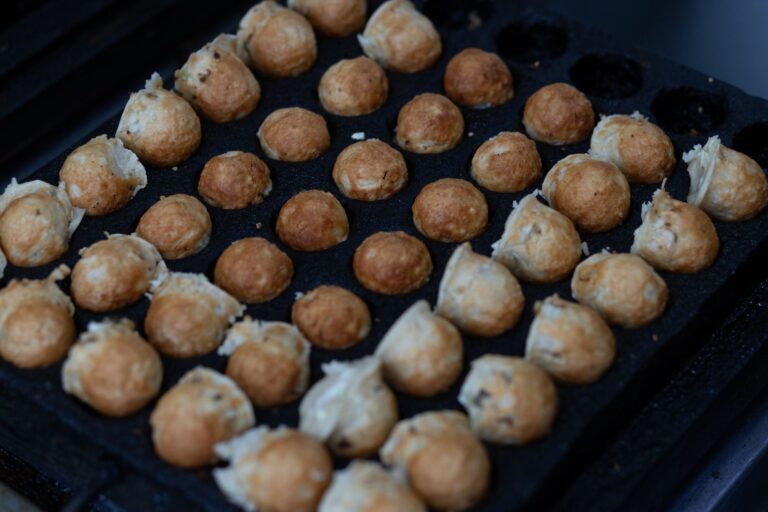
Conbini takoyaki packs tighter than restaurant versions. Less oil. Designed for train-riding. Sauce and mayo applied thin. Nori flakes stay put. No shirt stains.
Visitors take note: skip midnight ramen. Watch what gets restocked at conbini. Grab whatever’s disappearing fastest—probably onigiri. That’s real eating.