Tokyo
Tokyo Bangkok
 Seoul
Seoul Singapore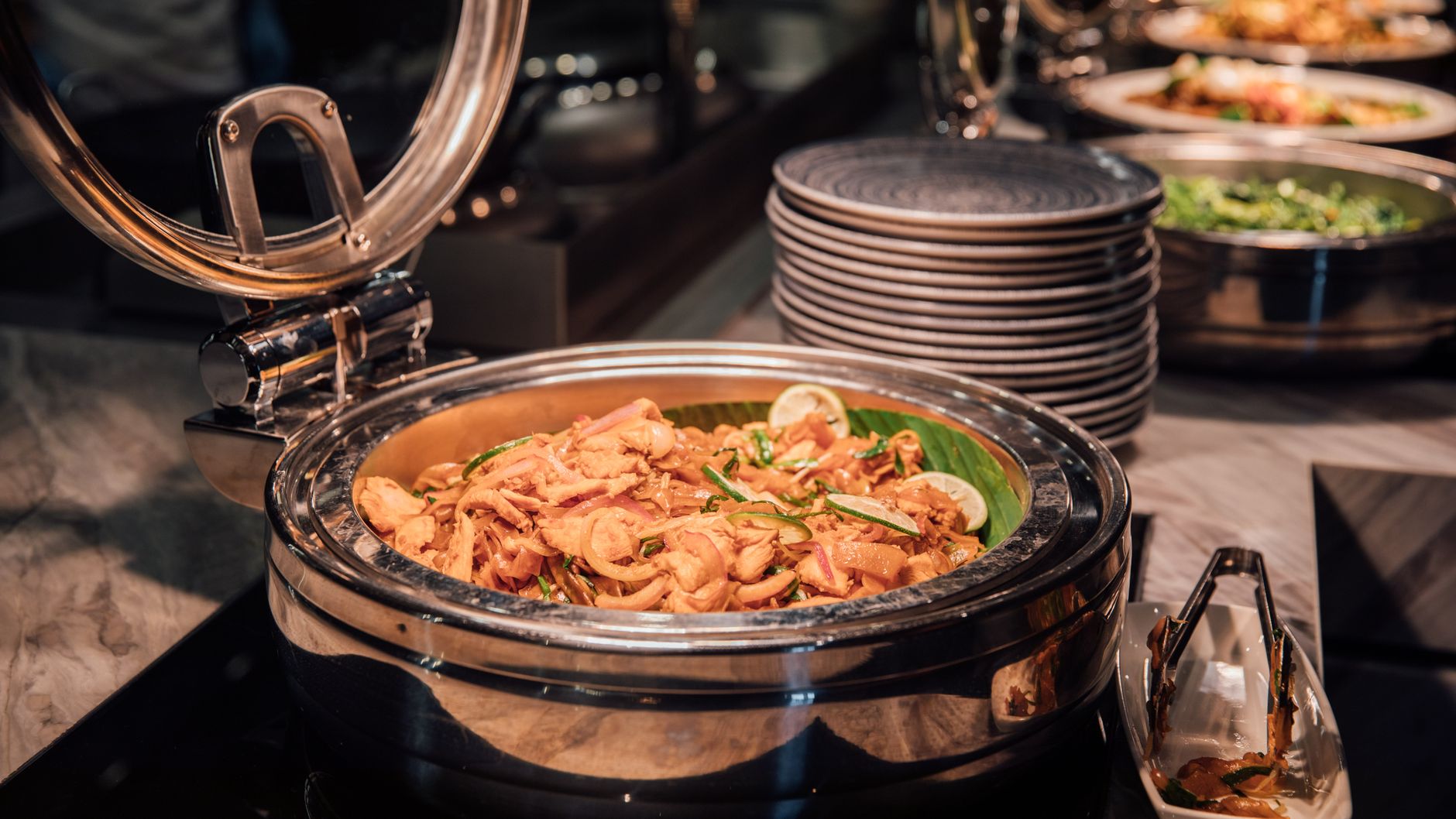
Char Kway Teow: Malaysia’s Wok-Fired Street Food Essential
Watch a Malaysian street vendor make char kway teow once, and you’ll get why people line up before sunrise. Two woks going at once—one prepping aromatics, the other already smoking hot. The cook dances between them like it’s muscle memory. That perfect moment when soy sauce hits the wok and the noodles flip? That’s what makes great char kway teow unforgettable.
More Than Just Noodles: Why Char Kway Teow Tells Malaysia’s Story
This dish is Malaysian food culture in a single plate. The name breaks it down: char (stir-fry) + kway teow (flat rice noodles) + teow (Hokkien for “stir”). You’ll find Chinese, Malay, and Indian hawkers all making their own versions. Penang cooks go heavy on soy sauce and cockles. At Kuala Lumpur’s Jalan Alor night market, expect Chinese sausage and crunchy bean sprouts. Melaka vendors might toss in fish cake. That adaptability—changing based on who’s cooking and what’s around—is pure Malaysia.
It started as post-colonial street food: cheap, filling, and made with leftover rice noodles. Hawkers threw in whatever protein or veggies they had. That scrappy spirit still defines every plate today.
Where to Find the Real Deal
Skip the tourist traps. Hit the hawker centers where locals actually eat. Penang’s Gurney Drive Food Court and New Lane Hawker Centre won’t disappoint. KL’s Jalan Alor gets chaotic after dark—that’s when it’s best. Melaka’s Jonker Walk Night Market draws crowds, though it’s gotten busier with visitors lately.
Good vendors ask how you like it: extra chili? More sauce? Dryer noodles? Watch for stalls where the wok smokes on contact—no smoke means no proper char. Noodles should have crispy edges, not sit there soggy. A plate costs 5-8 ringgit ($1-2 USD) and lands in front of you fast.
What Makes It Work (And Why Home Cooks Struggle)
Three non-negotiables: flat rice noodles, dark soy sauce, and a wok hot enough to scare you. After that, it’s flexible. Most stalls add shrimp, chicken, or Chinese sausage. Bean sprouts and chives bring crunch. The secret isn’t some fancy ingredient—it’s gutsy technique. Enough oil to coat everything. Real dark soy, not the pale stuff. Constant motion so nothing sticks.
Some crack an egg right into the wok. Others splash in oyster sauce or fish sauce. Sambal chili paste kicks heat if you want it. Two stalls on the same street might make totally different versions—both legit.
At home? Crank the heat. Work fast. Don’t crowd the wok. Day-old noodles hold up better. This dish isn’t hard, but it demands confidence. Get that right, and you’ll see why Malaysians eat it weekly without ever getting bored.