Tokyo
Tokyo Bangkok
 Seoul
Seoul Singapore
Thit Kho: Vietnam’s Caramelized Pork Dish Worth Your Time

Vietnam travel guides all mention the same five dishes. Pho gets the press. Banh mi gets the foodie photos. Thit kho—that sticky caramelized pork braised in fish sauce and coconut juice—shows how Vietnamese home cooks really approach flavor. You won’t find this much outside Vietnam, which makes it worth learning about before your trip.
Thit Kho Is Caramel and Umami Working Exactly Right
“Braised meat” doesn’t do thit kho justice. Pork belly or shoulder chunks caramelize in a dry pan until browned and glistening. Then comes fish sauce, young coconut juice (not thick milk), and rock sugar. Hours of gentle braising transform it into something glossy and complex. The magic happens when browned meat meets fish sauce funk, balanced by just enough sweetness. Done right, it’s savory perfection. Done wrong, it’s cloying meat candy.
Regional variations exist. Hanoi’s thit kho tau includes eggs braised in the same dark sauce. Southern versions lean heavier on coconut. Both count. Quality hinges on two things: using fresh young coconut juice and not rushing the sauce reduction.
Where to Eat Real Thit Kho in Vietnam
Hanoi’s Com Tam Hang Manh in the Old Quarter serves thit kho tau over rice for about 50,000 VND ($2). The pork shreds with a spoon. Eggs soak up flavor without turning rubbery. Come between 11:30 AM and 1 PM unless you enjoy waiting behind tour groups.
Ho Chi Minh City’s Quan Com Nhat in District 1 plates thit kho with pickled veggies. Pro tip: bundle pork and fresh herbs (mint, cilantro, basil) in one bite. The greens cut through the richness.
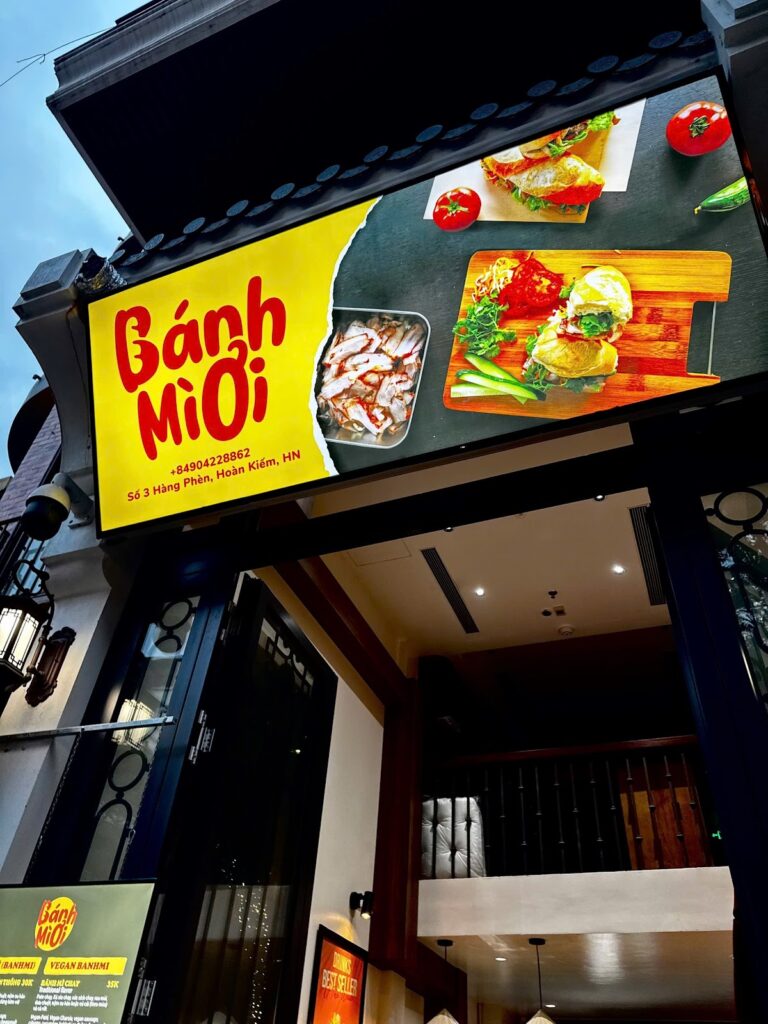
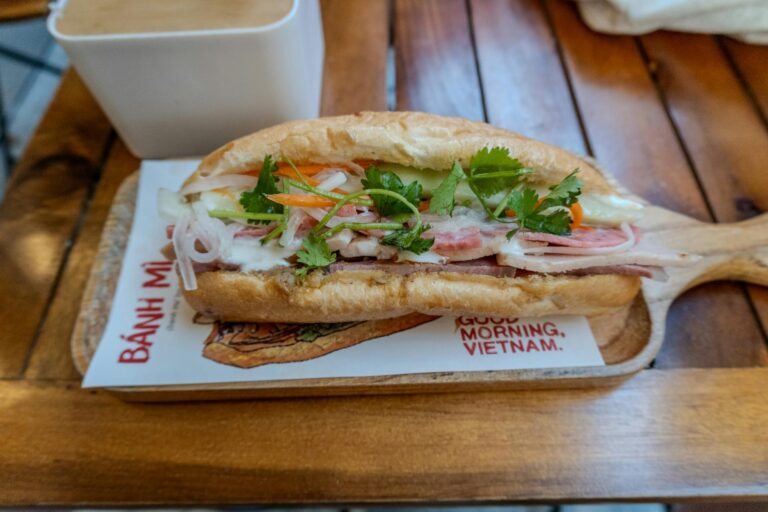
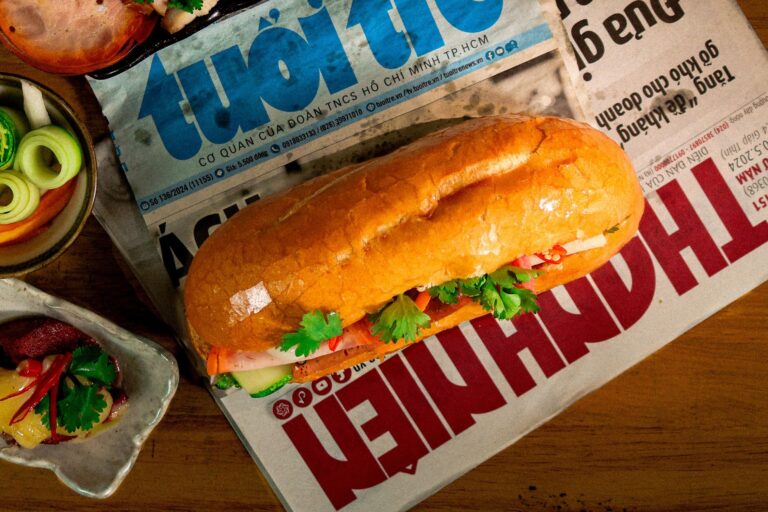
Da Nang’s Banh Mi Phuong stuffs thit kho into sandwiches with pickled daikon and carrot. Not traditional, but brilliant—the tangy crunch plays off the sticky pork.
For the real deal, hit a com tam (“broken rice”) joint. These no-frills spots serve thit kho alongside other braised dishes. High turnover means properly reduced sauce every time.
Why Thit Kho Doesn’t Travel Well (And What That Means)
You’ll rarely see thit kho abroad. Young coconut juice is hard to find overseas. Canned coconut milk changes the flavor. Western diners expect Vietnamese food to be light and acidic, not deep and caramelized.
That’s good news for travelers. You can’t fake this at home. Your local Vietnamese spot probably doesn’t serve it. Thit kho belongs to Vietnam—eating it there feels like discovering something new, not revisiting the familiar.
What to Do Right Now
Ask your hotel staff where they go for com tam with thit kho. You’ll wind up at a plastic-chair spot with a handwritten menu. Order it. Eat it herb-packed and pickle-adjacent. This is how you taste Vietnam off-script.