Tokyo
Tokyo Bangkok
 Seoul
Seoul Singapore
Hanoi Street Food by Neighborhood: Where Locals Really Eat
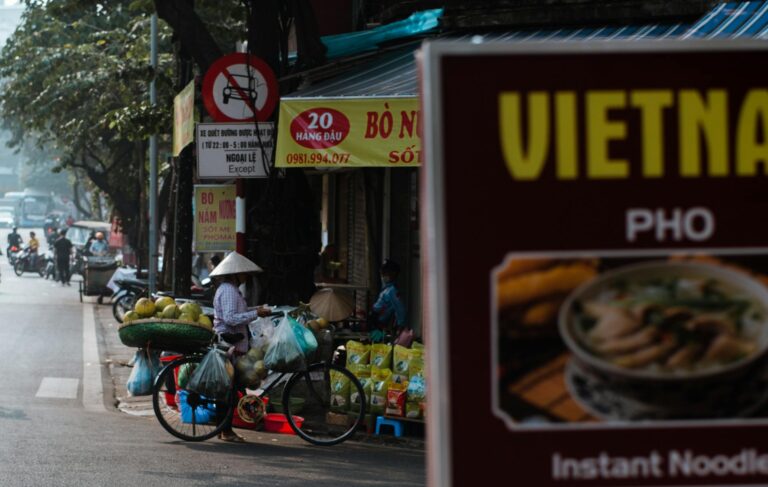
The scent hits first—charcoal smoke tangled with fish sauce and herbs in Hanoi’s Old Quarter at dawn. At the corner of Hang Manh and Ta Hien, vendors arrange stools around steaming pho pots. This is where the city eats. Not at fancy spots with English menus, but here, where you might be the only outsider scribbling notes.
Old Quarter: Pho and Morning Chaos
Get to Hang Manh Street by 7 a.m. Three pho stalls compete within spitting distance. The winner? No sign, just a woman with two massive pots. Her broth simmers 12 hours—clean, light, no murky aftertaste. Order tai (rare beef) and nam (brisket). Watch her slice paper-thin meat, dunk it in broth for three seconds, then hand you a bowl with basil, lime, and chilies. Two minutes. 35,000 VND ($1.50).
Post-pho, hit Café Giang on Hang Gai for egg coffee. Tourist-heavy now, but the original upstairs spot still delivers. Bitter coffee meets whipped egg yolk and condensed milk—like tiramisu in a cup. Invented in the 1940s, still made by the old owner.
Hoan Kiem: Snails and Nighttime Buzz
After dark, Hoan Kiem Lake’s east side comes alive. Plastic-stool joints on Hang Manh (yes, another Hang Manh—Hanoi recycles street names) serve oc—lemongrass-lime snails. Pick the meat with a pin, chase with cold beer. Nearby, squid gets charred over coals, brushed with fish sauce, then wrapped in rice paper with herbs.
Don’t miss muc nuong: squid tubes stuffed with pork, dill, and scallions, grilled until edges blacken. Messy. Smoky. Perfect at 10 p.m. after beers. No ambiance—just plastic chairs, harsh lights, and locals who couldn’t care less about you.
West Lake: Escargot and Quiet Afternoons
Need air? Taxi to West Lake’s north shore. Middle-class spots mean better ventilation and pricier tabs, plus dishes you won’t find downtown. Oc Nhan restaurants line the water, serving oc len—smaller, tender snails simmered with dill and lime. The broth? Deep, layered, clearly labored over.
For a proper meal, try ca chien: whole fried fish, skin crackling, flesh moist. Dip it in fish sauce spiked with lime and chilies. Costs triple street pho, but you’re paying for lake views and actual quiet.
Hanoi’s best meals aren’t photo ops. They’re fast, no-nonsense exchanges with veterans who’ve perfected their craft. Show up early or late. Sit where locals sit. Pay less than a London coffee. Repeat.