12 Asian Noodle Soups Ranked by Complexity
Noodle soup complexity doesn’t correlate with how good it tastes—it correlates with how many hours a cook is willing to stand over a stove. The simplest broths often deliver the most direct pleasure. The hardest ones demand obsession. Understanding where each soup sits on that spectrum changes how you eat them, and where you should spend your money when ordering.
Why Broth Depth Matters More Than You Think
A noodle soup is only as good as its broth, and broth quality is determined by time, temperature, and ingredient selection—not by ingredient count. Vietnamese phở, for instance, requires 12-24 hours of simmering beef bones to extract collagen and develop the characteristic sweet undertone. A restaurant that rushes this process produces something that looks correct but tastes thin. Conversely, a properly made bowl of Thai boat noodles might use a relatively simple broth, but the precision of spice balance and the quality of the pork stock makes it formidable.
The ranking below moves from soups you can execute at home in under an hour to broths that demand professional equipment, institutional patience, or both.
The Simplest to Most Demanding: Our Complete Ranking
1-3. Easiest: Thai Boat Noodles, Vietnamese Bánh Canh, Filipino Lomi — These three sit in the entry-level tier. Boat noodles use a pork or chicken broth simmered for 4-6 hours. Bánh canh relies on tapioca pearls and a light pork or crab stock. Lomi is essentially a thickened chicken broth with egg and starch. None requires overnight work.
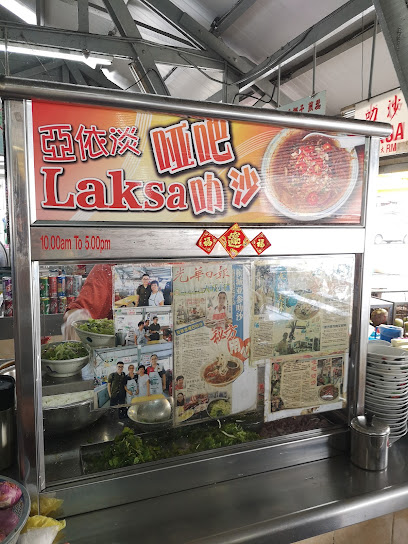
4-6. Moderate: Phở, Ramen, Malaysian Laksa — Phở demands 12-24 hours of bone extraction. Ramen requires 18-36 hours for tonkotsu (pork bone) versions, though shoyu and miso variants are faster. Laksa complexity varies wildly by region, but proper rendang-based versions in Penang require spice paste preparation and coconut milk infusion that takes 6-8 hours.
7-9. Advanced: Pho Tai, Japanese Dashi-based Soups, Singapore Laksa — Pho Tai (beef phở) specifically demands beef marrow bones, charred onions and ginger, and precise seasoning balance. Japanese dashi-based soups require kombu and bonito extraction timing that’s technical rather than long. Singapore Laksa combines multiple spice pastes, coconut milk reduction, and a separate seafood-infused broth.
10-12. Most Complex: Cantonese Wonton Noodle Soup, Sichuan Dan Dan Noodles, Korean Oxtail Soup (Kkori Gomtang) — Wonton soup demands hand-folded wontons, a 12-hour pork and chicken stock, and precise seasoning. Dan Dan requires chili oil infusion, Sichuan peppercorn numbing oil preparation, and a sesame-based sauce that builds flavor through emulsification. Kkori gomtang requires 24-48 hours of oxtail simmering to achieve the signature milky white broth and deep savory notes.
Where Complexity Doesn’t Mean Better Eating
The hardest soups to make aren’t always the most satisfying to eat. A perfectly executed bowl of boat noodles—simple as it is—can outperform a mediocre phở made by someone cutting corners on broth time. What matters is whether a restaurant respects the process their soup requires. A Michelin-level ramen shop in Tokyo spends 36 hours on broth because their model depends on it. A casual phở spot in Hanoi does the same because their reputation depends on it. A restaurant claiming to serve authentic laksa but using curry paste from a jar is committing a different kind of crime than one serving simplified boat noodles honestly.
The ranking also ignores regional variation. Phở in Ho Chi Minh City differs from Hanoi phở. Ramen in Fukuoka tastes nothing like Tokyo ramen. Laksa in Penang is a different animal from Bangkok laksa. Complexity isn’t universal—it’s localized.
The One Thing Worth Doing
Order a bowl of kkori gomtang at a Korean restaurant that’s been operating for at least five years. Ask the server how long they simmer the broth. If they don’t know or seem uncertain, leave. If they say 24 hours or more with confidence, sit down. The milky white broth and tender oxtail represent the maximum commitment to noodle soup craft in East Asia. Taste it cold in summer or steaming hot in winter. You’re not tasting a soup—you’re tasting someone’s daily non-negotiable.