Tokyo
Tokyo Bangkok
 Seoul
Seoul Singapore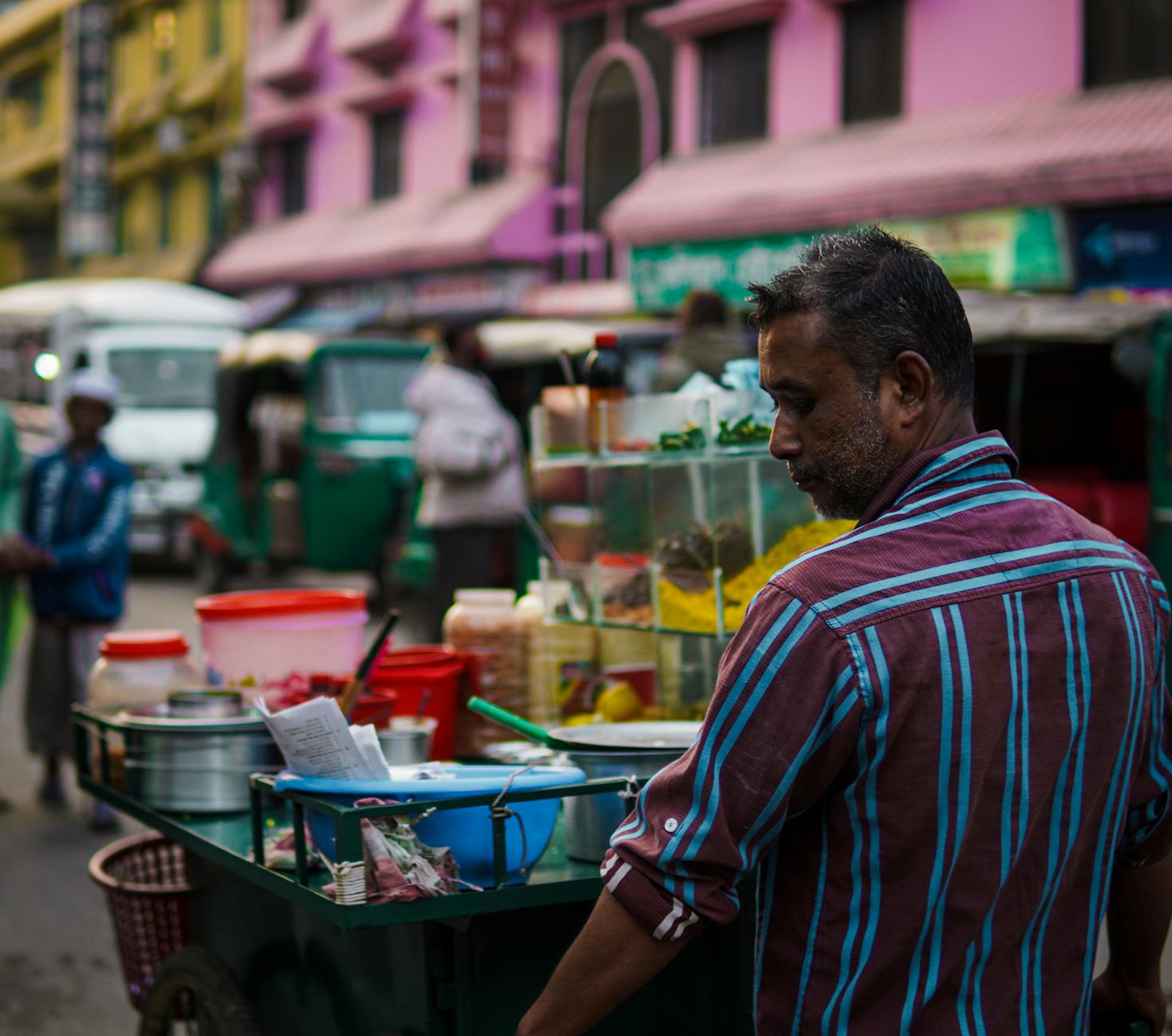
Gado-Gado: Indonesia’s Best Plant-Based Salad With Peanut Sauce
Gado-Gado: Indonesia’s Peanut Sauce Salad Is Plant-Based Done Right
When evening falls in Jakarta, Yogyakarta, or Bali, something delicious happens. Street vendors stir giant woks of golden peanut sauce, piling up fresh veggies, tofu, and tempeh into colorful towers. Gado-gado—”mix-mix” in Indonesian—is one of Asia’s unsung plant-based heroes. Packed with protein, nutrients, and flavor, it holds its own against any meat dish. This isn’t just about being sustainable. It’s proof that plant-based food can be hearty, culturally rich, and downright tasty.
What Is Gado-Gado? Indonesia’s Mixed Vegetable Salad Explained
Gado-gado looks simple but surprises you. Blanched veggies, crispy tofu or tempeh, hard-boiled eggs, and prawn crackers get drenched in a creamy peanut sauce—sweet, savory, and loaded with umami. Cabbage, bean sprouts, green beans, carrots, and potatoes form the base, though recipes shift across Indonesia’s 17,000 islands.
Centuries old, it started as Javanese home cooking before hitting the streets. Colonial-era cooks used cheap veggies and protein-packed legumes to feed families. Now, gado-gado shows how Asian cuisines have done plant-based eating forever—not as a trend, but as everyday life.
The peanut sauce makes it special. Unlike light dressings, this one sticks to your ribs. Peanuts pack protein and healthy fats, turning veggies into a meal that actually fills you up.
The Magic Behind the Peanut Sauce: Flavor and Nutrition
Sambal kacang—the peanut sauce—is where the magic happens. Roasted peanuts get mashed with garlic, shallots, chilies, lime, palm sugar, and tamarind. Some add coconut milk for creaminess; others use shrimp paste (skip it for veggie versions).
Nutritionally, it’s a powerhouse. Peanuts bring heart-healthy arginine, fiber, and good fats. Paired with tofu or tempeh, you get all the essential amino acids—big win for plant-based eaters. Chilies fire up your metabolism, while lime helps your body soak up minerals.
Making the sauce takes time but pays off. Nail the balance: chilies for heat, palm sugar for sweetness, lime for tang. No single flavor should hog the spotlight.
Building Your Perfect Gado-Gado Bowl: A How-To Guide
Start by prepping each part right. Blanch veggies separately—bean sprouts need 30 seconds; green beans and carrots take 2-3 minutes. Press tofu dry, cube it, and fry until golden.
Assembly matters. Pile cooled veggies and tofu on a plate. Make a cabbage nest, add halved eggs, then drown it all in warm peanut sauce. Crush prawn crackers over top—that crunch is essential.
Don’t ignore temperature. Gado-gado tastes best when veggies are slightly warm and the sauce isn’t cold. It helps flavors cling to every bite.
Why Gado-Gado Deserves Your Attention Now
Gado-gado shows what Western food media often misses: plant-based eating that’s real, not trendy. Affordable, flexible, and genuinely nourishing—this is sustainability done right.
Whether you’re diving into Indonesian food, want meatless meals that satisfy, or just crave bold flavors, gado-gado delivers. No gimmicks. Just good food.
Ready to try Indonesia’s best-kept secret? Start with the sauce.