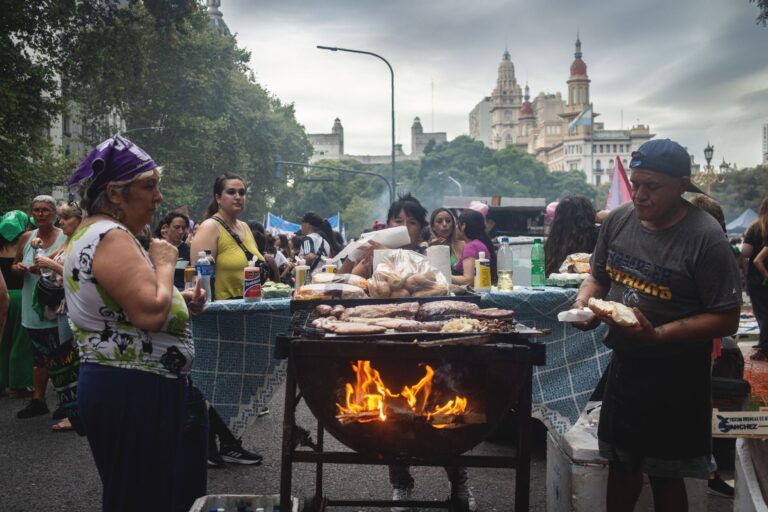
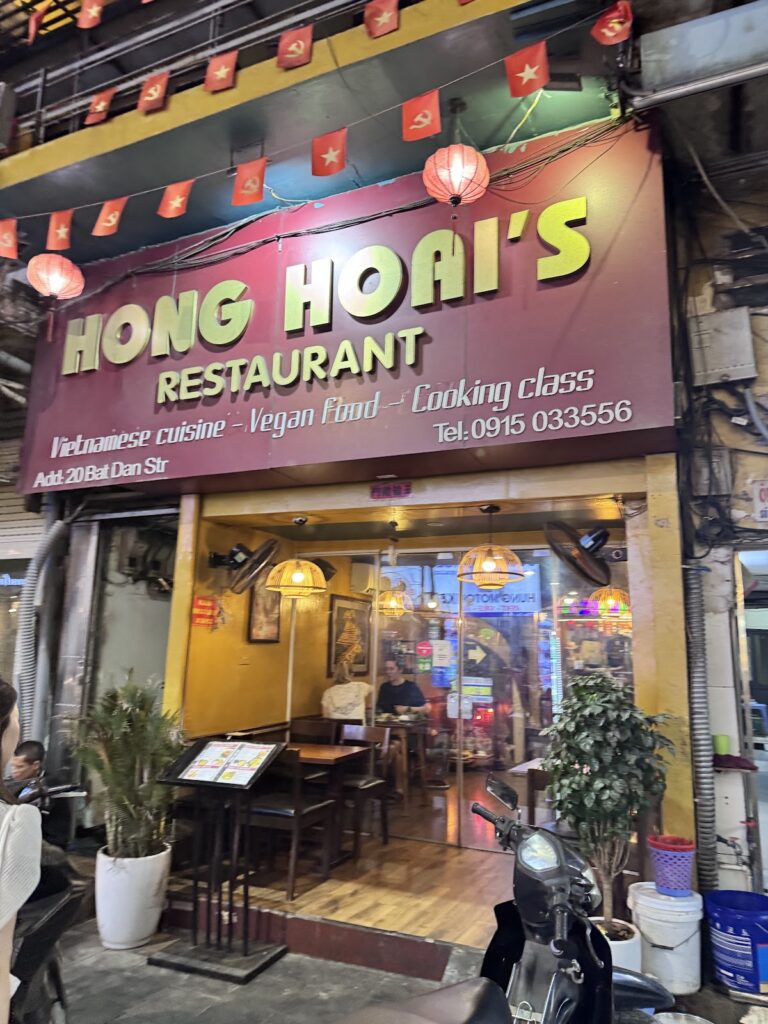
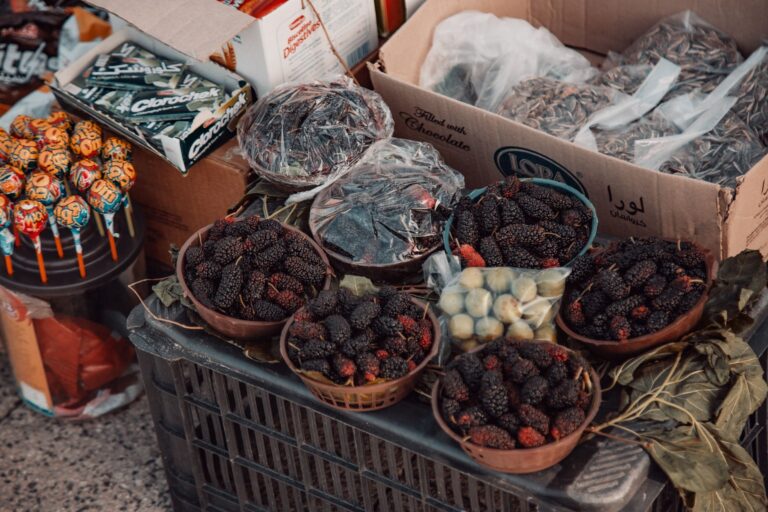
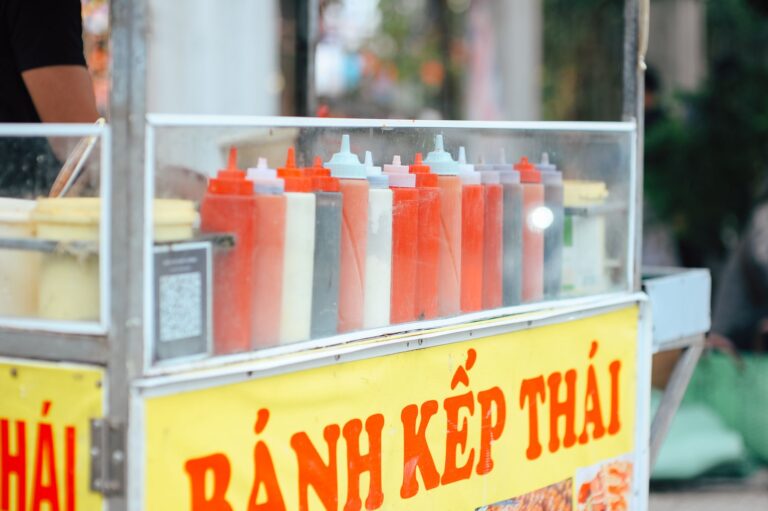
Tokyo
Tokyo Bangkok
 Seoul
Seoul Singapore
Top Food Destination Videos on TikTok: What 97.8M Views Reveal
How TikTok turned into our go-to food scout
That #fooddestination tag? It’s racked up 97.8 million views and changed how we pick where to eat before trips. Instagram shows pretty pictures. Google gives you averages. TikTok? It’s raw, real, and happening right now. No fancy ratings or paid posts—just someone shoving amazing food in their face for 46 seconds, telling you exactly where to find it.
Take @Biggroove’s Golden Chick video. 22 million views, 1.4 million likes—all for a Texas fried chicken spot. No ad budget, just pure food love. People aren’t just watching these clips. They’re saving them like treasure maps for future meals.
The food creators who actually move the needle
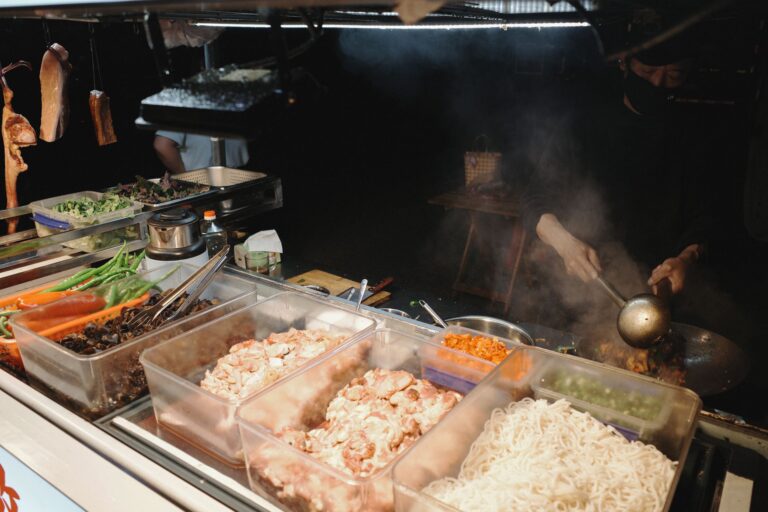
@Biggroove leads the pack with 7 million followers and that insane chicken video. But here’s the kicker: mid-size accounts like @biteswithlily (3.4M followers) crush it too. Her Bangkok night market tour hit 10.7 million views by zooming in on steaming noodles and wincing at spice levels. When she covered Manila’s Fusion Alley next? Another 2.1 million views. Proof that focused, local eats travel well.
These creators win by being hyper-specific. No vague “great food in Bangkok” nonsense. @biteswithlily names the exact market stall, shows steam rising off bowls, and keeps it under 70 seconds—long enough to feel real, short enough to watch while waiting for coffee. Meanwhile, @DEVOURPOWER’s 3-minute Staten Island pizza saga works because it’s all in: cheese pulls, crazy toppings, the whole messy experience.
Even tiny accounts break through. @Key (15K followers) hit 3.4 million views reviewing a halal spot. @NCfoodie (48K followers) got 2.4 million just gasping at huge meatloaf portions. No fancy production, just real reactions.
What actually goes viral
After studying 50 top videos, three styles stand out:
- Market crawls: Like @biteswithlily’s Bangkok night market tour. Multiple dishes in one clip = instant variety without clicking away.
- Single-spot deep dives: @DEVOURPOWER’s pizza marathon or @Biggroove’s chicken focus. Works best when food has visual drama—melting cheese, crispy crusts.
- City guides: @Visit Melbourne’s 18-second roundup. Fewer views (10.1M) but tons of saves—people use these as actual trip planners.
Here’s the secret: short and specific beats long every time. @annathesecretary’s 16-second buffet tip hit 3.5 million views by making one sharp observation about portioning. No fluff.
Why Asia owns the food conversation
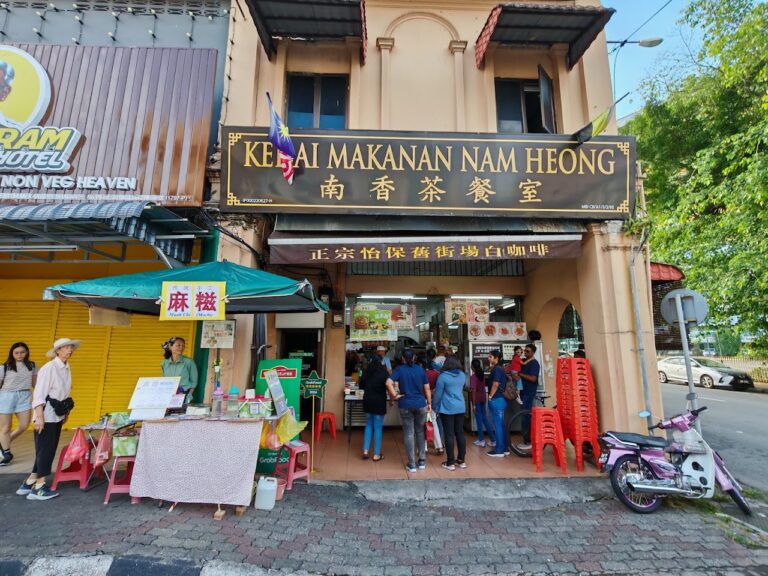
Bangkok’s Train Night Market. Manila’s Fusion Alley. Brisbane buffets. They keep popping up because they deliver what Western spots often don’t: crazy variety, wild visuals, and clear value. No fussy plating—just great food at fair prices, served with showmanship.
Street food wins because it’s transparent. @biteswithlily’s Bangkok clips show noodles cooked right in front of you, prices visible, crowds real. No “authentic experience” posturing—just good eats. When @christianandakitaeats reviews a Brisbane buffet in 40 seconds (1.4M views), she taps a real trend: travelers want maximum flavor options without guessing games.
Sure, American fast food still gets views (Golden Chick, we see you). But Asian content spreads faster locally—friends tagging friends, planning trips together.
How to spot real food gems on TikTok
The algorithm’s trained us well. Watch for:
- Pinpoint locations: “808 Independence Pkwy” beats “some Texas joint” every time.
- Real reactions: @NCfoodie’s shocked face at portion sizes? Priceless.
- Busy backgrounds: If the place is packed, it’s probably good.
- Dish names: “Everything I ate at Bangkok” beats vague “food tour” titles.
Pro tip: follow creators with 100K-5M followers. Big enough to know their stuff, small enough to keep it real. @Biggroove’s 237K shares came from genuine love, not some brand deal.
Why TikTok beats traditional food media
Magazines talk chef stories and “culinary journeys.” TikTok shows you a bite. A reaction. An address. No flowery menu descriptions can compete with watching someone’s eyes light up as they chew.
Those 97.8 million #fooddestination views? They’re not just entertainment. People use these clips to make actual meal plans. @Biggroove’s 1.4 million chicken likes aren’t just taps—they’re bookmarks for future cravings.
Here’s the thing: TikTok rewards honesty. Creators grow by showing truly great food, not just sponsored content. In 2025, it’s become the most reliable food rec source because the incentives line up—find amazing eats, get more followers. Simple as that.