Tokyo
Tokyo Bangkok
 Seoul
Seoul Singapore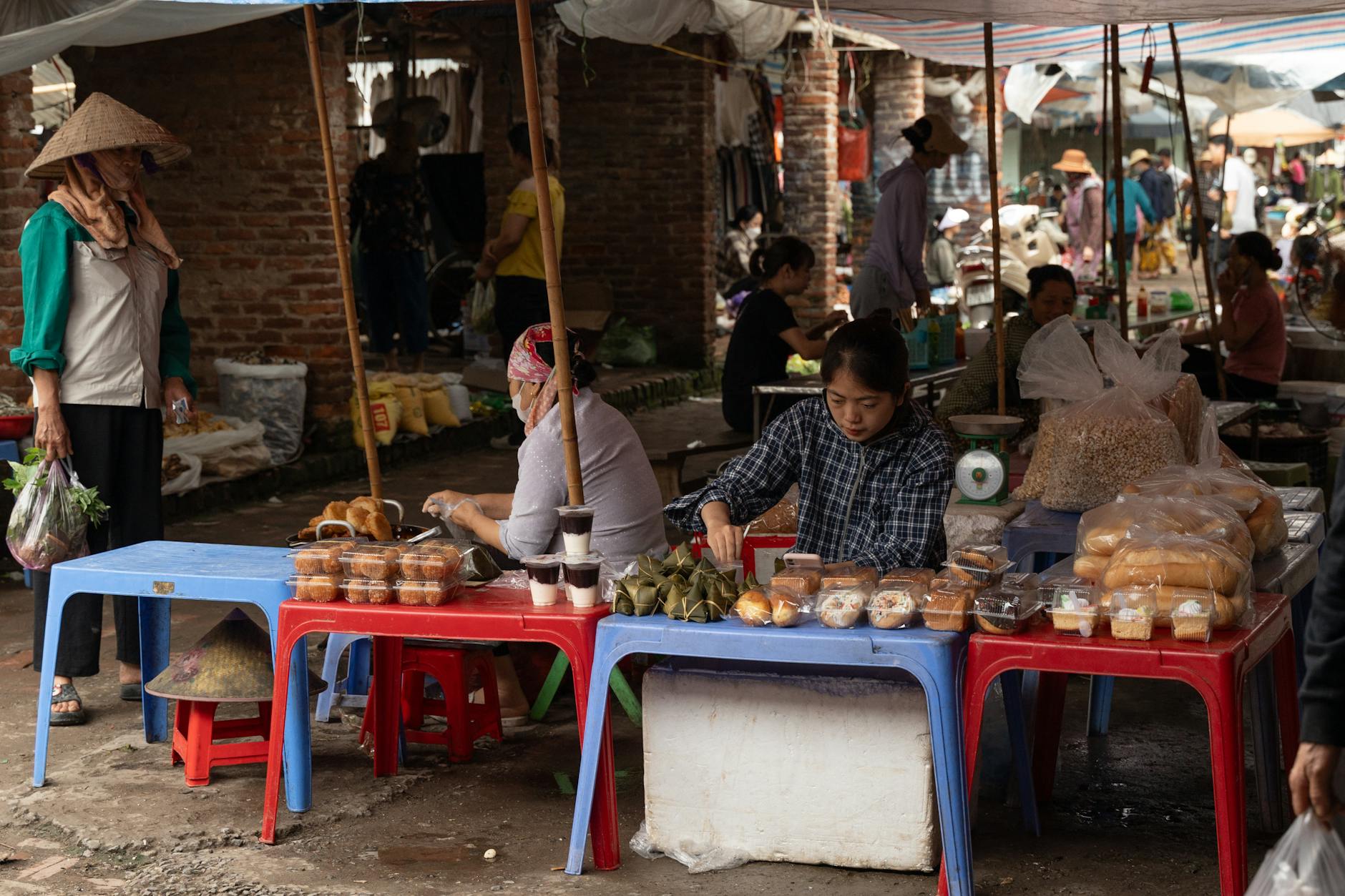
Jakarta’s Best Street Food: Where Locals Actually Eat

Jakarta’s Street Food Scene: Where 19,000+ Reviews Can’t Be Wrong
Jakarta doesn’t just have street food – it breathes it. Head to Senen, Kemayoran or Gajah Mada as the sun sets and you’ll understand. Vendors arrange their carts with military precision. Regulars show up before the first wok gets hot. A 4,000+ review Google rating isn’t just numbers here – it’s street cred. This isn’t food for photos. This is what Jakartans actually eat.
The Five Spots You Need to Know
Nasi Goreng Cak Kumis (5.0★, South Gunung Sahari) proves consistency wins. Ten perfect reviews don’t happen by accident. By 7 AM, there’s already a line for their nasi goreng – the kind that only comes from doing one thing really well for years. The rice grains stay separate, the spice creeps up on you.
Mie Ayam Bang Jago (5.0★, Tanah Abang) follows the same playbook. Seven reviews, all flawless. Their chicken noodles feature meat that falls apart at a glance, served over noodles soaked in broth until they’re basically liquid. Blue-collar breakfast at its best.
Coto Makassar Senen Syamsul Daeng Ngawing (4.5★, 4,679 reviews) is the heavyweight champ. Nearly 5,000 reviews means they’re doing something right. This is Makassar’s beef soup perfected for Jakarta crowds. The 4.5 rating? That’s what happens when you serve thousands of bowls weekly – impossible to please everyone, but damn close.
Gajah Mada Food Street (4.5★, 2,862 reviews) isn’t a single stall – it’s a whole neighborhood of flavors. On this West Jakarta strip, competition keeps quality high. Multiple vendors, endless options, zero disappointments.
Nasi Goreng Kambing Kebon Sirih (4.4★, 19,242 reviews) breaks the scale. Nineteen thousand reviews. That’s not a restaurant – that’s a citywide habit. Their goat fried rice comes with meat so tender you could eat it with a spoon. The umami-packed rice doesn’t need the egg (but you’ll get it anyway). At this volume, maintaining 4.4 stars is insane.
What Makes Jakarta Different
Jakarta street food isn’t about being fancy. It’s about being good. Consistently. For decades. No gimmicks, no trends – just food that works.
Timing matters here. Breakfast? 5-7 AM sharp. Lunch? 11-1 or bust. Vendors who can’t keep up disappear fast. The system polices itself.
The variety shocks first-timers. Makassar soups, Padang curries, Sundanese grilled fish – all on the same block. Each stall masters one thing, usually a family recipe passed down through generations.
How to Actually Eat Here
Show up early or go hungry. 6:30 AM for breakfast, 11 sharp for lunch. Cash only (mostly), small bills preferred. Meals run 10,000-50,000 IDR.
Don’t overthink it. See a crowd? Join it. The line is the quality control. Watch what locals order – then point at that.
Plastic chairs. Shared tables. Quick turnover. This isn’t fine dining – it’s fuel. Eat. Pay. Go. Repeat tomorrow.
The economics keep standards high. At 25,000 IDR per plate, you can’t afford to be mediocre when selling hundreds daily.
Why This Matters
These aren’t bucket-list spots. They’re where real life happens. That 4.4 average across 19,000+ reviews? That’s thousands of regular people voting with their wallets every day. No PR, no hype – just results.
Jakarta’s street food is the purest form of democracy in dining. No influencers, no gimmicks. Just one question: is it good enough to keep people coming back? The reviews don’t lie.
Want to understand how a city really eats? Skip the restaurants. Hit the streets. These vendors aren’t here to impress tourists – they’re here to feed their neighbors. That honesty changes everything.