Tokyo
Tokyo Bangkok
 Seoul
Seoul Singapore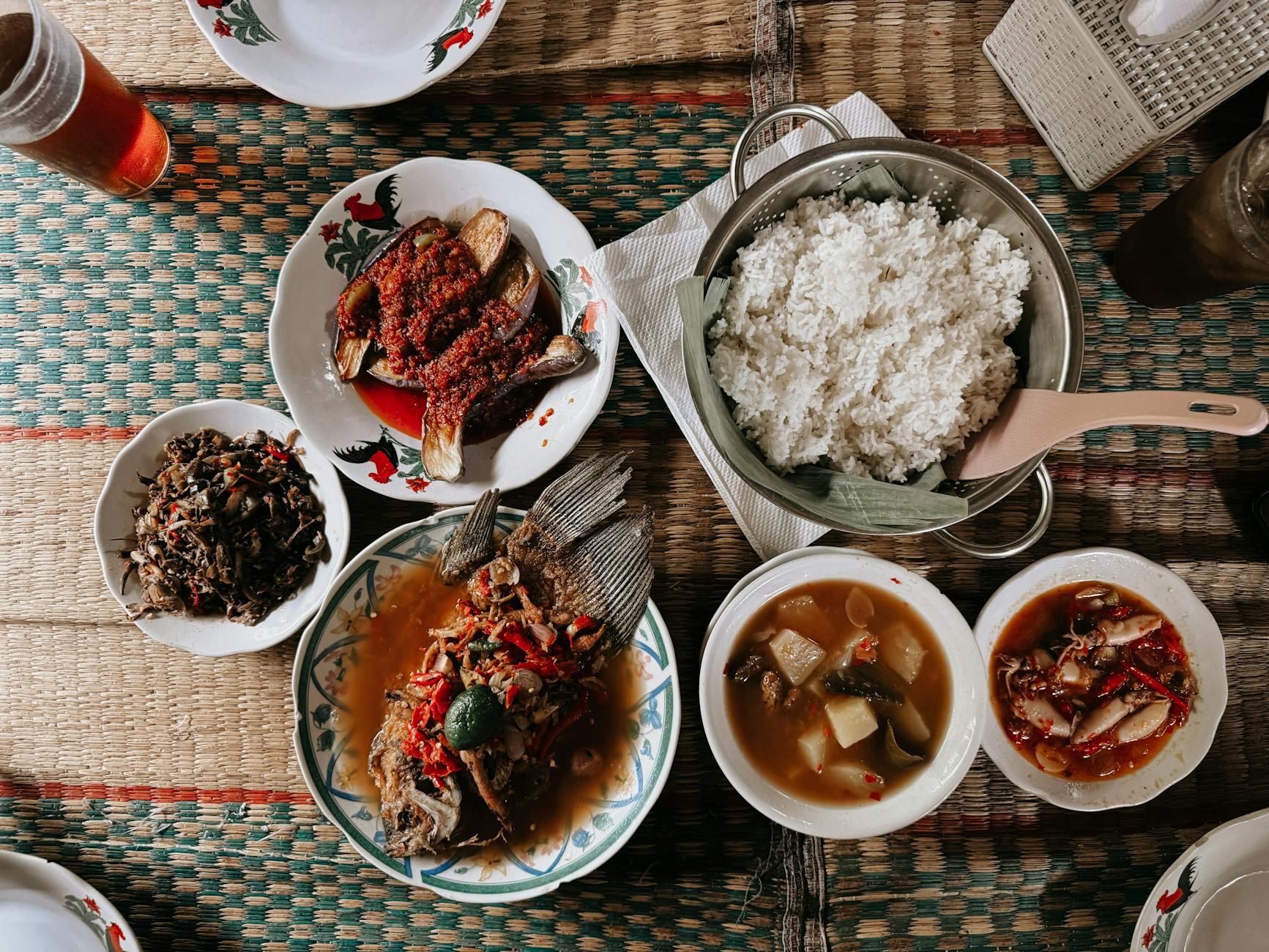
Indonesian Warungs: Street Stalls Feeding Millions Daily
The first thing you notice is the smell—charcoal smoke blending with garlic and shallots sizzling in well-used oil. It’s 6 AM in a narrow alley off Jalan Malioboro, Yogyakarta. A woman arranges plastic stools around a metal cart barely bigger than a closet. Within minutes, a line forms: construction workers, students, office cleaners. Everyone wants a bowl of something hot. This is a warung. This is where Indonesia eats.
How Meals Cost Less Than a Dollar
Warungs run on margins so tight they’d give Western chefs nightmares. In Surabaya, a woman dishes out nasi kuning with chicken satay, fried egg, and sambal for 15,000 rupiah—about $0.95. She buys ingredients at the wet market at dawn. Her rent? Almost nothing, since she borrows a corner of a storefront. Profit per bowl? Maybe $0.15. She sells 200 a day.
This is how Indonesia feeds its people. Not with white-tablecloth restaurants. Not via delivery apps. Through thousands of tiny operations serving those earning minimum wage. A Jakarta warung owner opens at 5 AM and closes by 2 PM—that’s when her customers are working. No lunch crowd means no reason to stay open. Every decision follows the rhythm of workdays.
The Unlikely Flavor Secret
It’s all about repetition. In Bandung, one warung sells only gado-gado and perkedel. The owner, Ibu Siti, has made the same peanut sauce for 23 years. She knows by smell when the peanuts are roasted right. The cabbage gets blanched just long enough—crisp, not raw. Her gado-gado isn’t fancy. It’s just right.
Warungs can’t afford to experiment. Ingredients can’t be wasted on new recipes. So they perfect one thing—maybe three—and do it daily. A satay warung in Denpasar has used the same marinade since 1987. The soto ayam stall near Blok M? Same spice blend as the owner’s mother. This isn’t tradition for tradition’s sake. With 15% margins, consistency keeps the lights on.
More Than Just Food
Warungs are where Indonesia’s working class gathers. Not at malls. Not in cafes. At wobbly plastic tables, eating rice and curry before a factory shift. In Tangerang, the same group of men arrives at 6 AM every morning. They order without speaking, eat in 10 minutes, leave. The owner knows their names, jobs, families.
Warungs do more than feed people. They hold communities together. News spreads here. Neighbors meet. Job recommendations happen. Owners become unofficial leaders. One lent cash to a regular whose motorcycle broke down. No contract. No interest. Just “pay me back when you can.”
If you’re in Indonesia eating at tourist spots, you’re missing the real thing. Find a warung with plastic stools, no English menu, and a line of locals. Sit. Point at what looks good. That’s Indonesia—one cheap, delicious bowl at a time.