Tokyo
Tokyo Bangkok
 Seoul
Seoul Singapore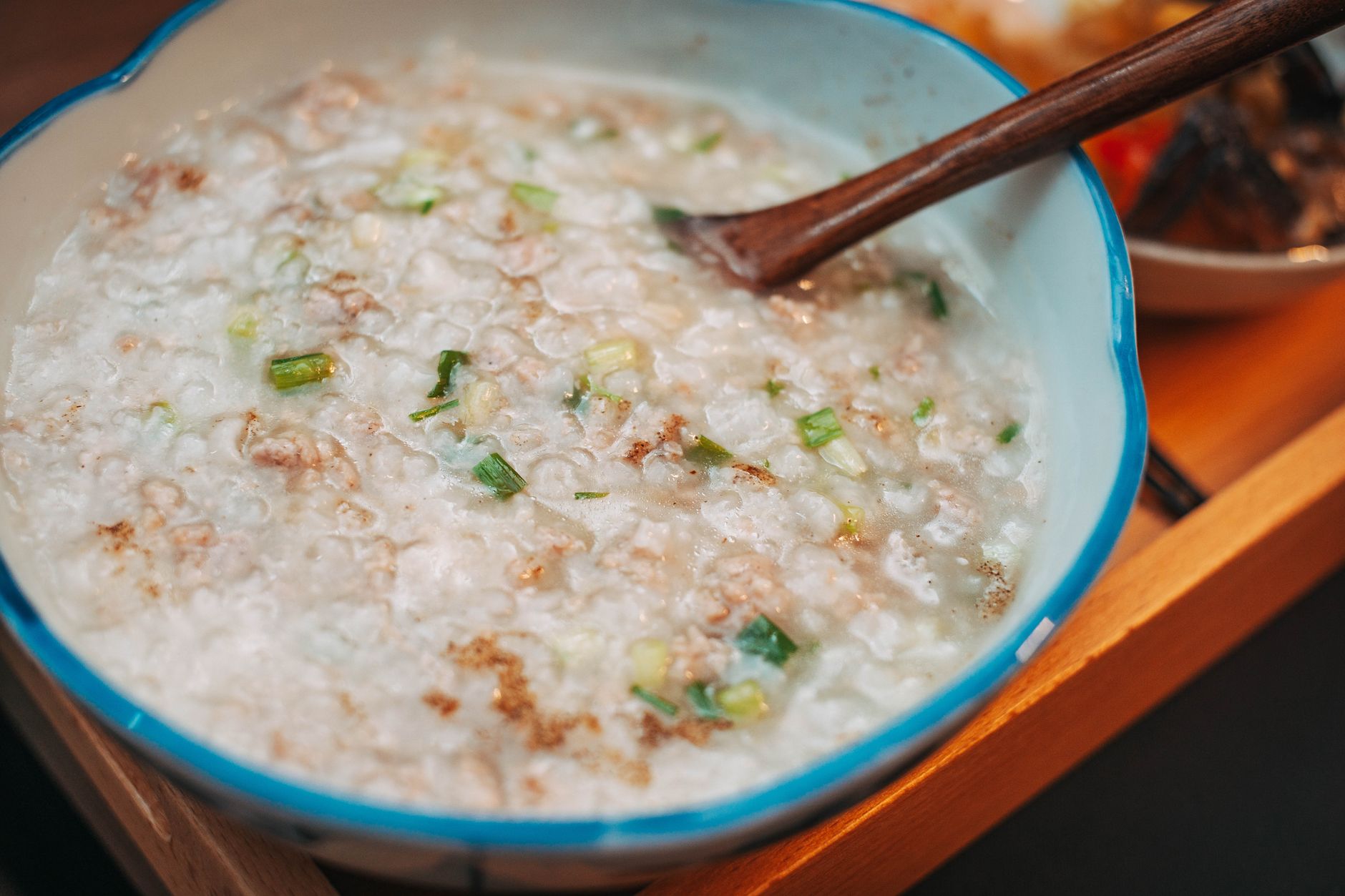
Congee Across Asia: Regional Variations of the Ultimate Comfort Food
There’s a reason congee has sustained billions of people across Asia for over 4,000 years: it’s the ultimate comfort food that transforms humble rice into pure, soul-warming magic. Whether you’re recovering from illness, nursing a hangover, or simply craving something deeply nourishing, congee—that silky rice porridge beloved from China to Thailand—has an answer. But here’s what many Western diners don’t realize: congee isn’t monolithic. This seemingly simple dish shifts dramatically across eight countries, each culture adding its own philosophy, ingredients, and techniques to create entirely distinct experiences.
The Heart of Congee: Why This Dish Transcends Borders
Congee represents something profound in Asian food culture: resourcefulness meets refinement. Born from the practical need to stretch rice during times of scarcity, congee evolved into a nutritional powerhouse and culinary canvas. The rice-to-water ratio—typically anywhere from 1:6 to 1:10—creates that characteristic velvety consistency that’s easier to digest than regular steamed rice, making it ideal for babies, elderly relatives, and anyone seeking digestive comfort.
The dish’s beauty lies in its adaptability. A bowl of congee is essentially a blank slate, transformed by regional ingredients, cooking methods, and cultural preferences. Understanding these variations isn’t just food trivia; it’s a window into how different Asian cultures approach nourishment and flavor.
Chinese Jook: The Original Blueprint
Let’s start where congee’s story arguably begins: China. Chinese jook (sometimes spelled zhou) sets the template against which all other congee variations are measured. The Chinese method emphasizes simplicity and technique—rice is added to boiling stock (often chicken or pork bone broth) and stirred continuously for 1-2 hours until completely broken down into creamy submission.
What distinguishes authentic Chinese jook is its garnish philosophy. Rather than mixing everything together, toppings are served on the side: crispy fried shallots, pickled mustard greens, century eggs, roasted peanuts, and thin strips of century egg and pork. This isn’t accidental—it allows diners to customize their bowl and maintain textural contrast against the porridge’s smoothness.
Cantonese jook holds particular prestige, often served at dim sum restaurants and specialized congee shops that have perfected recipes across generations. The Cantonese technique of adding pre-cooked rice instead of raw creates a slightly different texture—less uniform, more rustic.
Vietnamese Cháo and Thai Khao Tom: The Regional Pivots
Vietnamese cháo takes congee in a distinctly different direction. Less about lengthy cooking times and more about Vietnamese flavor principles, cháo typically cooks for 30-45 minutes—shorter than its Chinese cousin. This faster method means the rice maintains slightly more individual texture, creating a less uniform consistency.
The toppings tell the Vietnamese story: fresh herbs dominate, particularly Vietnamese mint and cilantro added just before eating. Fish sauce (nước mắm) bridges congee and broth. Ground meat—pork or chicken—is often cooked directly into the congee rather than served separately, creating a more integrated dish than Chinese jook.
Thai khao tom represents another distinct philosophy. Cooked with coconut milk instead of water or stock, Thai congee becomes richer, slightly sweet, and fundamentally different from its Chinese or Vietnamese counterparts. The addition of pandan leaves, Thai basil, and chilies creates aromatic complexity. Thai congee also tends toward brothier consistency—more liquid, less viscous—reflecting how Thai cuisine generally favors broth-based dishes.
Beyond the Big Three: Filipino, Korean, Japanese, and Indonesian Variations
Filipino lugao shares Vietnamese cháo’s preference for ground meat cooked directly into the porridge. Korean juk often features white or brown rice variations and includes additions like ginseng or abalone in premium preparations. Japanese okayu maintains the thinnest consistency and cleanest flavor profile, often served with umeboshi (pickled plum) and nori. Indonesian bubur rises with coconut milk like Thai versions but incorporates shallots, garlic, and turmeric for warm, savory depth.
How to Cook Congee at Home: Method Matters
The cooking method dramatically affects your final dish. For Chinese-style jook, use short-grain rice and maintain a vigorous simmer, stirring occasionally. Vietnamese cháo benefits from medium heat and less stirring. Thai khao tom needs careful temperature control—too hot, and coconut milk separates.
Stock choice matters profoundly. Use homemade chicken or pork bone broth for depth; avoid aggressive seasoning since congee amplifies flavors.
The Takeaway: Congee as Cultural Bridge
Congee’s power lies in its humble flexibility. Across eight countries and countless regional variations, this ancient comfort food continues nourishing millions while remaining deeply personal to each culture. Whether you prefer Chinese jook’s clean simplicity, Vietnamese cháo’s herbaceous brightness, or Thai khao tom’s coconut richness, congee proves that the most satisfying foods often transcend borders while honoring local traditions.
Ready to explore? Start with your ancestry, then branch outward. Each bowl tells a story—and tastes even better when you understand it.