Hanoi Street Food by Neighborhood: Where Locals Really Eat
In Hanoi, breakfast isn’t something you grab between errands—it’s where you spend your morning, often perched on a plastic stool at 6 AM, debating whether today calls for phở or bún chả. Street food here isn’t a novelty; it’s the backbone of how people actually eat. Locals have favorite vendors they’ve visited for decades, returning not for novelty but for consistency, for the specific way one cook makes their broth, for the ritual itself.
Old Quarter: Where bánh mì Means Business
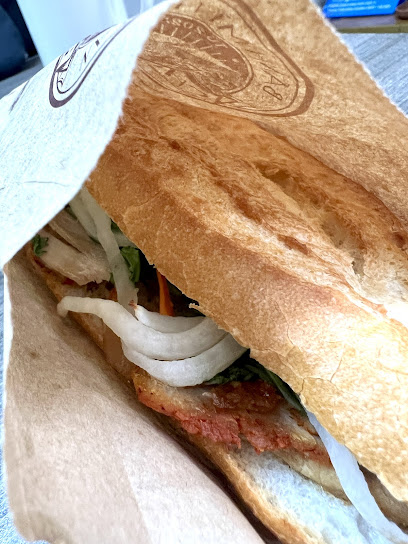
The Old Quarter’s narrow streets around Hàng Chiếu and Hàng Gà are where bánh mì vendors set up before dawn. But here’s what tourists miss: locals don’t order the “deluxe” version with everything. They order bánh mì with specific proteins—often just pâté and head cheese, or sometimes just the pickled vegetables and cilantro. The bread matters more than the fillings. It needs that exact crispness outside and airiness inside that only comes from the right flour and technique. Vendors like those on Hàng Chiếu have been baking their own baguettes for years, and regulars know which stalls have the best batch by mid-morning. The cost is around 25,000-35,000 VND. For breakfast, locals also grab cơm tấm (broken rice) from the small stalls near Đồng Xuân Market, eating it with grilled pork chop and a fried egg, often standing up before heading to work.
Hoàn Kiếm: Phở Culture and Early Morning Rituals
Around Hoàn Kiếm Lake, phở isn’t tourist food—it’s what people eat before their commute, what they discuss with coworkers, what defines their morning. The best broths here simmer for 12+ hours, made with beef bones and charred onions and ginger. Stalls like those near Lý Quốc Sư have regulars who order the same bowl the same way every morning for years. They know whether they want phở bò (beef) with rare beef that cooks in the broth, or well-done beef, or just broth with noodles. The broth is what separates a good phở from a mediocre one—it should taste clean and deep, not heavy. Around 40,000-50,000 VND gets you a proper bowl. Late morning, the same areas fill with bún chả vendors—grilled pork patties with noodles and dipping sauce—a lighter lunch option that’s just as essential to the eating calendar.
Tây Hồ (West Lake): Egg Coffee and Lakeside Eating
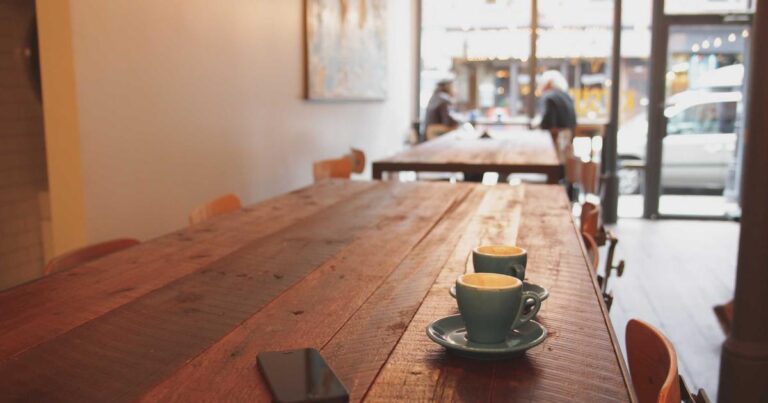
West Lake’s food scene is different—less rushed, more leisurely. This is where Hanoi’s egg coffee actually belongs, not as a tourist attraction but as a genuine local beverage. The best versions at places like Giang Café (which invented it in the 1940s) use raw egg yolk, sweetened condensed milk, and strong robusta coffee—the yolk creates a custard-like layer that’s rich and slightly sweet. Locals here sit longer with their coffee, reading newspapers or meeting friends. The lake area also has excellent bánh cuốn (steamed rice rolls) vendors, particularly around Quảng An Ward, where the rolls are filled with pork and mushrooms, served with a clear broth and fish sauce for dipping. These aren’t quick eats; they’re meals you sit down for. Prices range from 30,000-40,000 VND. The pace here reflects that not all Hanoi eating is about speed—some of it’s about settling in.
The real Hanoi food experience isn’t about collecting dishes; it’s about understanding that locals eat the same things repeatedly, that they have preferences based on technique and ingredients, and that the best meals happen early, often before 9 AM. Pick a neighborhood, find a stall, and return tomorrow. That’s how you actually eat in this city.