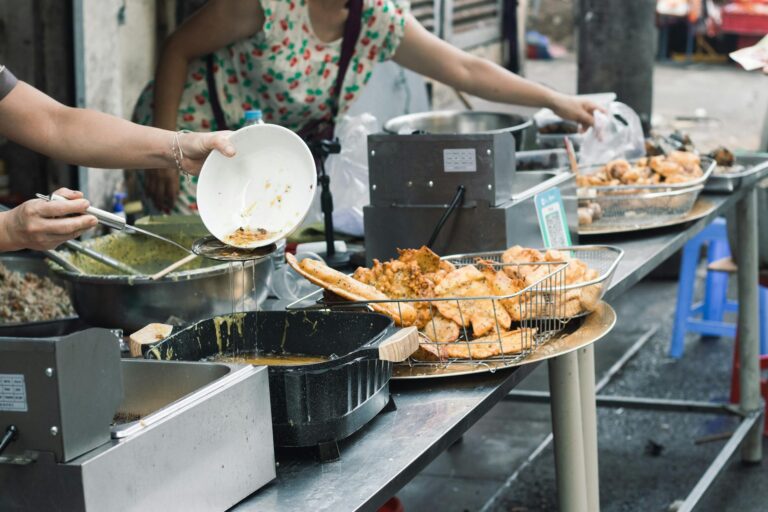
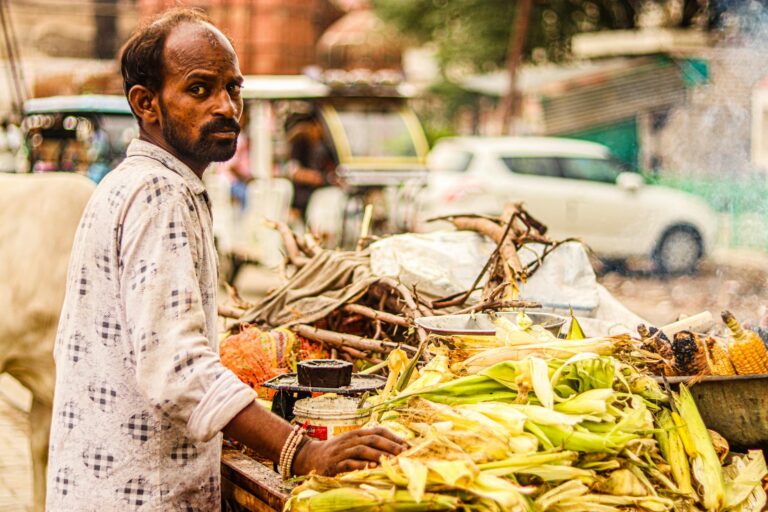
Tokyo
Tokyo Bangkok
 Seoul
Seoul Singapore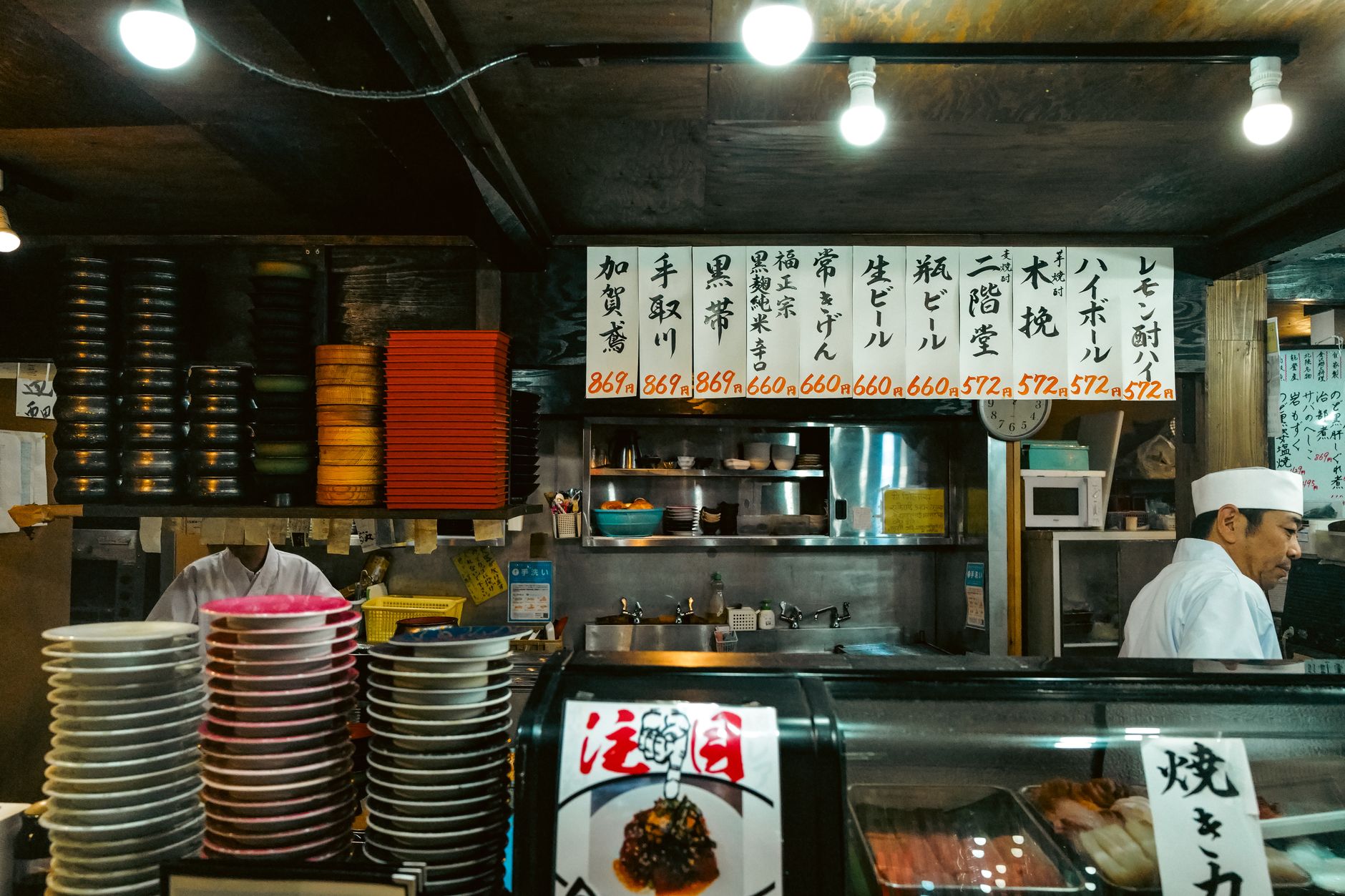
Best Asian Food in Los Angeles: Korean, Japanese, Thai & Vietnamese
In Koreatown, you’ll see cooks judge a griddle’s heat with their palms—no thermometers needed. That’s the kind of instinct you only get from years of practice. Los Angeles has pockets of this hands-on cooking across four major Asian cuisines. Here’s where to find them.
Koreatown: No-Frills Grilling
Centered around Wilshire and Western, Koreatown does Korean food without gimmicks. Park’s BBQ on Olympic is a classic: servers bring banchan (side dishes) while you grill marinated beef short ribs and pork belly at your table. The marinade—soy, sesame, pear, garlic—is simple, but the technique shines. Thin slices cook fast, picking up just the right char. For something lighter, Myung In Dumplings makes mandu (Korean dumplings) with pork and kimchi daily. The wrappers are noticeably thinner than frozen versions. If they’ve got kimchi jjigae (stew), order it. Softened kimchi, pork, and tofu simmer into something deeply savory. This is home cooking, not showy restaurant fare.
Little Tokyo: Japanese Food, Done Right
Little Tokyo, around 1st and 2nd Streets, balances precision with accessibility. At Goro Ramen, the tonkotsu broth simmers for 18 hours—just pork bones and aromatics. The result is rich, the noodles chewy, the chashu (braised pork) meltingly tender. Sugarfish, with locations across LA, keeps sushi straightforward but exact: the rice temperature and seasoning are spot-on. For a taste of Japanese home cooking, Nishi’s chirashi bowls layer sashimi, pickled veggies, and fresh herbs over rice. Every component has a job.
Thai Town & Vietnamese Spots: Real-Deal Flavors
Thai Town, along Hollywood Boulevard, feels like a slice of Bangkok. Jitlada’s pad see ew (wide rice noodles) tells you everything—properly charred, salty, with noodles that hold their texture. No concessions to Western tastes. Nearby, Lemongrass makes curry pastes fresh daily. Over in East Hollywood and San Gabriel, Vietnamese places thrive. Pho 69’s pho broth builds flavor for hours—beef bones, charred onion, spices. Their banh mi sandwiches? Crisp pickled veggies, real pâté, crusty bread. Saigon Noodle House in San Gabriel serves bánh canh, a lesser-known thick noodle soup with tapioca and pork. Worth the trip.
The best Asian food in LA isn’t about fancy plating. It’s in neighborhoods where cooks stick to what they know. Pick a spot, order what the regulars do, and pay attention. That’s where the real lessons are.