Tokyo
Tokyo Bangkok
 Seoul
Seoul Singapore
Apam Balik: Malaysia’s Street Food That Locals Actually Eat
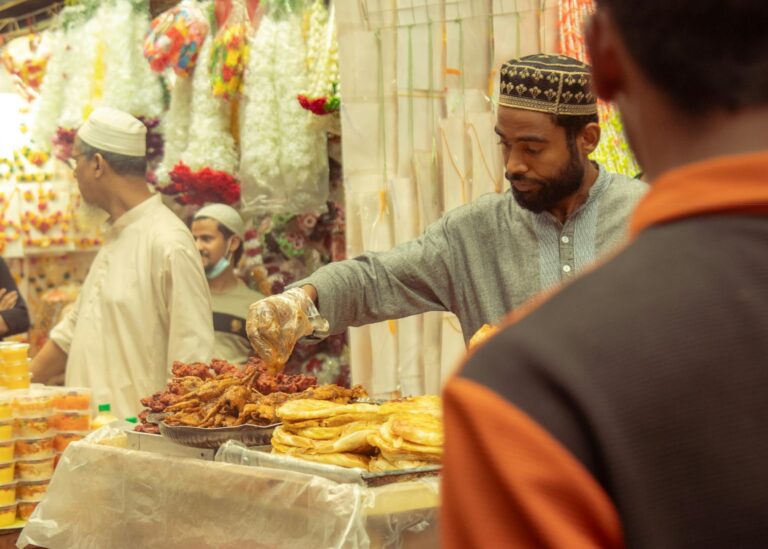
Weekday mornings in Kuala Lumpur, Penang, or Johor Bahru? Look for construction crews, office workers, and kids in school uniforms crowding around apam balik stalls by 8 AM. This isn’t some show for tourists—it’s just breakfast. No special occasions, no fanfare. Just a daily ritual where regulars swing by the same vendor every other day, their usual order already known.
Why Apam Balik Matters in Malaysian Food Culture
Apam balik is pure Malaysian logic: cheap, fast, and built from whatever’s handy. It popped up in Chinese-Malaysian communities, especially Penang and Selangor, where street vendors needed something they could crank out quickly. Unlike nasi lemak or roti canai, this pancake doesn’t need fussy prep—just batter, heat, and fillings. The name says it all: “apam” nods to Indian influence, “balik” (Malay for “flip”) keeps it local. No forced fusion here—just how Malaysians actually cook when no one’s watching.
The fillings tell the real story. Sweet version? Crushed peanuts, sugar, maybe corn—zero pretension. Savory? Toss in scallions, chai poh (preserved radish), or crack an egg right in the middle. It’s all about what’s around that morning, not some rigid recipe. That’s Malaysian street food in a nutshell: adaptable, no-nonsense, and totally unapologetic.
Finding the Stalls That Locals Actually Visit
Forget tourist hubs. In KL, the real action’s at Jalan Alor stalls by 6:30 AM—before the crowds hit. Penang’s Lebuh Chulia spot? Same vendor for 30 years. Regulars don’t need a sign; they recognize her by the way she flips the pan. These places run on muscle memory: the vendor starts your order before you even speak.
Here’s how to spot the good ones: if they’re not sold out by 10 AM, move on. Fresh batter, peanuts crushed on the spot, no shortcuts. Watch a pro at work—they juggle two pans, flipping fast so the edges crisp up but the center stays soft. That faint char on the outside? That’s experience talking.
What You’re Actually Eating
The batter’s basic—flour, eggs, sugar, sometimes condensed milk—but the magic’s in the texture. Crisp outside, tender inside with a slight chew. No dry cakey nonsense here.
Sweet apam balik? Peanuts and brown sugar piled on half before folding. Maybe corn or sesame seeds if you’re lucky. Savory versions (rarer but worth it) might have an egg, scallions, or that salty-sweet kick from chai poh. Either way, it’ll run you 2-4 ringgit (about 40-80 cents).
Want to eat like a local? Skip the fancy spots. Find a stall with a line of regulars, show up early, and go sweet first. That’s the real deal—no explanations needed.